
 Save
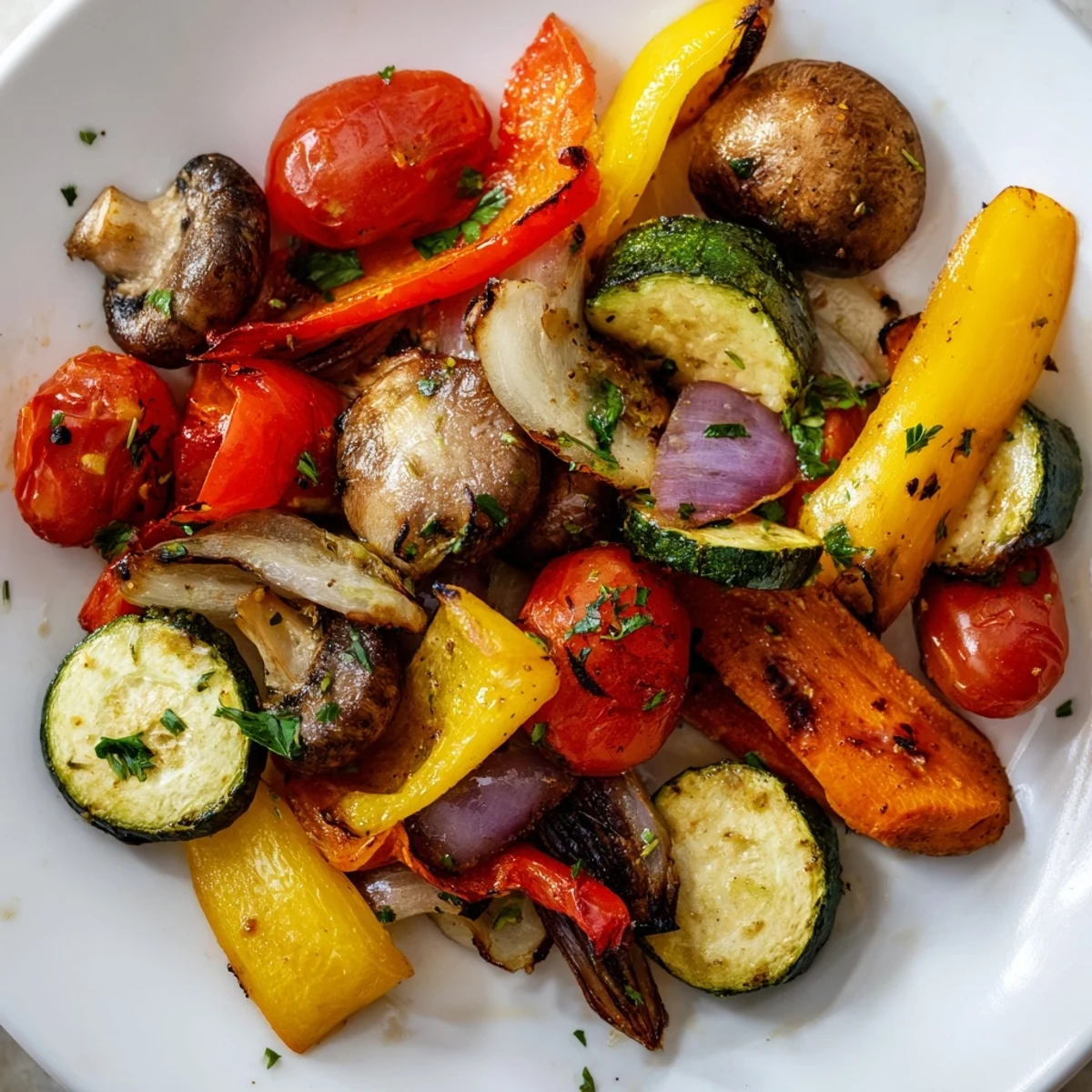
Save This dish combines a colorful variety of seasonal vegetables like bell peppers, zucchini, and cherry tomatoes, all tossed in olive oil, sea salt, pepper, Italian herbs, and garlic. Roasting at high heat softens the veggies while enhancing their natural flavors, creating a tender and aromatic medley. Optional fresh parsley adds a burst of freshness. Easily customized with different veggies or a splash of balsamic vinegar, this mix complements many meals and fits vegan and gluten-free preferences.
My neighbor dropped by one afternoon with a bag of overripe tomatoes from her garden, and I realized I had nothing but time and a vegetable drawer full of odds and ends. An hour later, the whole kitchen smelled like roasted garlic and caramelized peppers, and she was texting me the next day asking how I made them taste so good. That's when I learned that roasting vegetables isn't just about getting them tender—it's about coaxing out flavors they didn't know they had.
I made this the night before Thanksgiving when my sister called to say she was bringing her new partner, and suddenly I needed something impressive but stress-free. Those roasted vegetables sat on the table beside the turkey, and honestly, they disappeared faster. There's something about food that looks this beautiful—golden and glistening—that makes people feel genuinely cared for.
Ingredients
- Red bell pepper: Choose one that's firm and glossy; the color deepens when roasted, and the flesh becomes almost buttery.
- Yellow bell pepper: Adds sweetness that balances the savory herbs and minerals from the other vegetables.
- Zucchini: Cut it thick enough that it won't collapse into mush, but thin enough to cook through in the time the denser vegetables need.
- Red onion: Separates into petals as it roasts and turns jammy and mild, losing its sharp bite.
- Carrot: This is your sweetness anchor, so don't skip it or use baby carrots that cook unevenly.
- Cherry tomatoes: Halved so they release their juice into the pan and concentrate their flavor instead of drying out completely.
- Cremini mushrooms: They absorb the oil and herbs like little sponges and become deeply savory; regular button mushrooms work but lack the earthiness.
- Extra virgin olive oil: Use one you actually like tasting, because it's going to shine here—this isn't the time for the cheap stuff.
- Sea salt and black pepper: Season generously at the start, not at the end, so the flavor penetrates while things roast.
- Dried Italian herbs: Or mix your own from oregano, thyme, and basil if you have them hanging around; fresh herbs will burn, so wait and add those at the end if you want them.
- Garlic: Minced fine so it distributes through the oil and perfumes everything without going acrid.
- Fresh parsley: Optional but worth it for color and a fresh-green note that cuts through all that richness.
Instructions
- Heat your oven high and hot:
- Get the oven to 220°C (425°F) and line a large baking sheet with parchment paper so nothing sticks. A hot oven is what creates those golden, caramelized edges while keeping the insides tender.
- Prep and combine:
- Cut all your vegetables into similar-sized pieces—roughly 1-inch chunks for peppers, half-inch rounds for the zucchini and carrots. Combine them in a large bowl so you can see everything at once.
- Dress everything together:
- Drizzle the olive oil over the vegetables, then scatter the salt, pepper, Italian herbs, and minced garlic on top. Toss with your hands or a large spoon until every piece is lightly coated and glistening.
- Spread and roast:
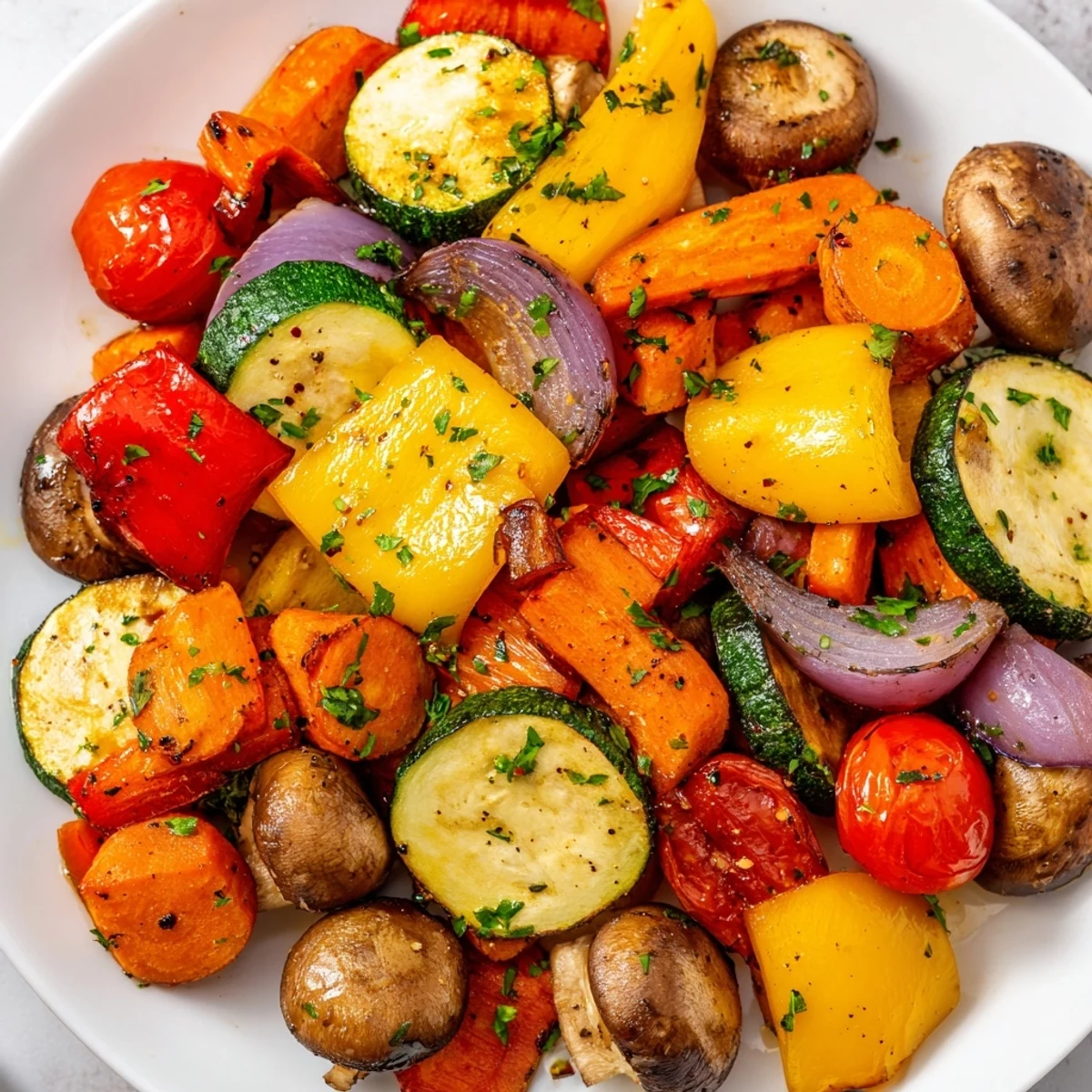
- Arrange the vegetables in a single layer on the baking sheet without crowding—they should have some breathing room to brown rather than steam. Roast for about 30–35 minutes, stirring halfway through, until everything is golden with some darker, caramelized edges and the vegetables feel tender when you poke them.
- Finish and serve:
- Transfer to a serving platter and sprinkle with fresh parsley if you're using it. Serve while they're still warm, when the flavors are brightest and the textures are at their best.
 Save
Save My kid, who usually picks vegetables off his plate, sat at the counter while these were roasting and kept sneaking pieces as they came out of the oven, golden and warm. It was the first moment I realized that how food is cooked matters just as much as what goes into it—a little heat and time transformed things he normally rejected into something he actually wanted.
Flexibility and Seasonal Swaps
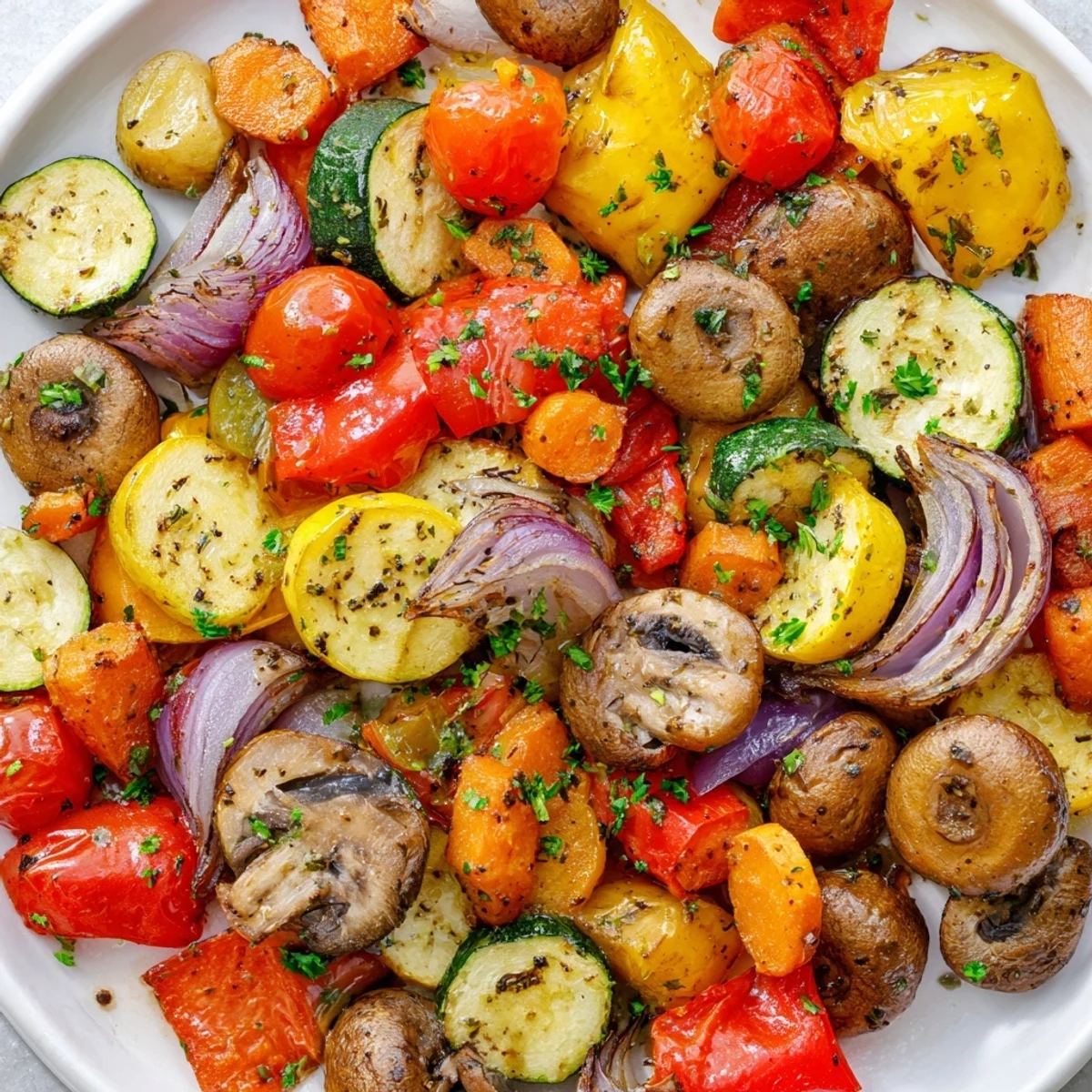
The beauty of roasted vegetables is that this recipe is less a prescription and more a blueprint. In summer, I lean into eggplant, zucchini, and yellow squash; in fall and winter, I add cubed sweet potato, chunks of cauliflower, or Brussels sprouts halved lengthwise. The cooking time might shift slightly depending on what you choose—denser vegetables like sweet potato need a bit longer—but the method stays exactly the same.
Flavor Boosters and Variations
A splash of balsamic vinegar drizzled over the vegetables just before roasting adds a subtle sweetness and depth that feels almost luxurious. Sometimes I add a pinch of red pepper flakes for warmth, or a handful of pine nuts scattered over the top before serving for a little textural contrast. Fresh herbs tossed in at the very end—basil, cilantro, or mint, depending on my mood—make it feel like a completely different dish.
Making It a Complete Meal
On their own, these vegetables are a perfect side dish, but they're also flexible enough to become the main event. Serve them over creamy polenta, toss them with warm grains like quinoa or farro, or layer them over toast with a fried egg on top. I've packed leftovers into a container, chilled them overnight, and tossed them into lunchbox salads the next day, and they taste just as good at room temperature.
- For a protein-forward meal, serve alongside grilled chicken, roasted salmon, or crumbled feta on top.
- Leftover roasted vegetables work beautifully in grain bowls, pasta dishes, or even rolled up in a wrap with hummus.
- If you make extra, store them in an airtight container in the fridge for up to 5 days and reheat gently in a 180°C (350°F) oven.
 Save
Save There's something deeply satisfying about a plate of vegetables that taste like themselves but better—like you've brought out their best selves through nothing but heat and time. This dish has become my go-to when I want something that feels easy but tastes intentional.
Recipe Questions
- → What vegetables work best for roasting in this mix?
-
Bell peppers, zucchini, red onions, carrots, cherry tomatoes, and cremini mushrooms create a well-balanced roasted vegetable mix with varied textures and flavors.
- → How do the herbs affect the taste of the roasted vegetables?
-
Italian herbs like oregano, thyme, and basil add aromatic, earthy notes that enhance the natural sweetness and depth of the vegetables when roasted.
- → Can I substitute olive oil with another oil for roasting?
-
Extra virgin olive oil is ideal for its flavor and roasting properties, but avocado or grapeseed oil can be used as alternatives for high-heat roasting.
- → How can I ensure the vegetables roast evenly?
-
Spread the vegetables in a single layer on a baking sheet and stir halfway through roasting to promote uniform cooking and browning.
- → What are some suggested pairings for this roasted vegetable mix?
-
This versatile side pairs well with grilled meats, fish, or can be served atop grains or salads for a complete meal.