
 Save
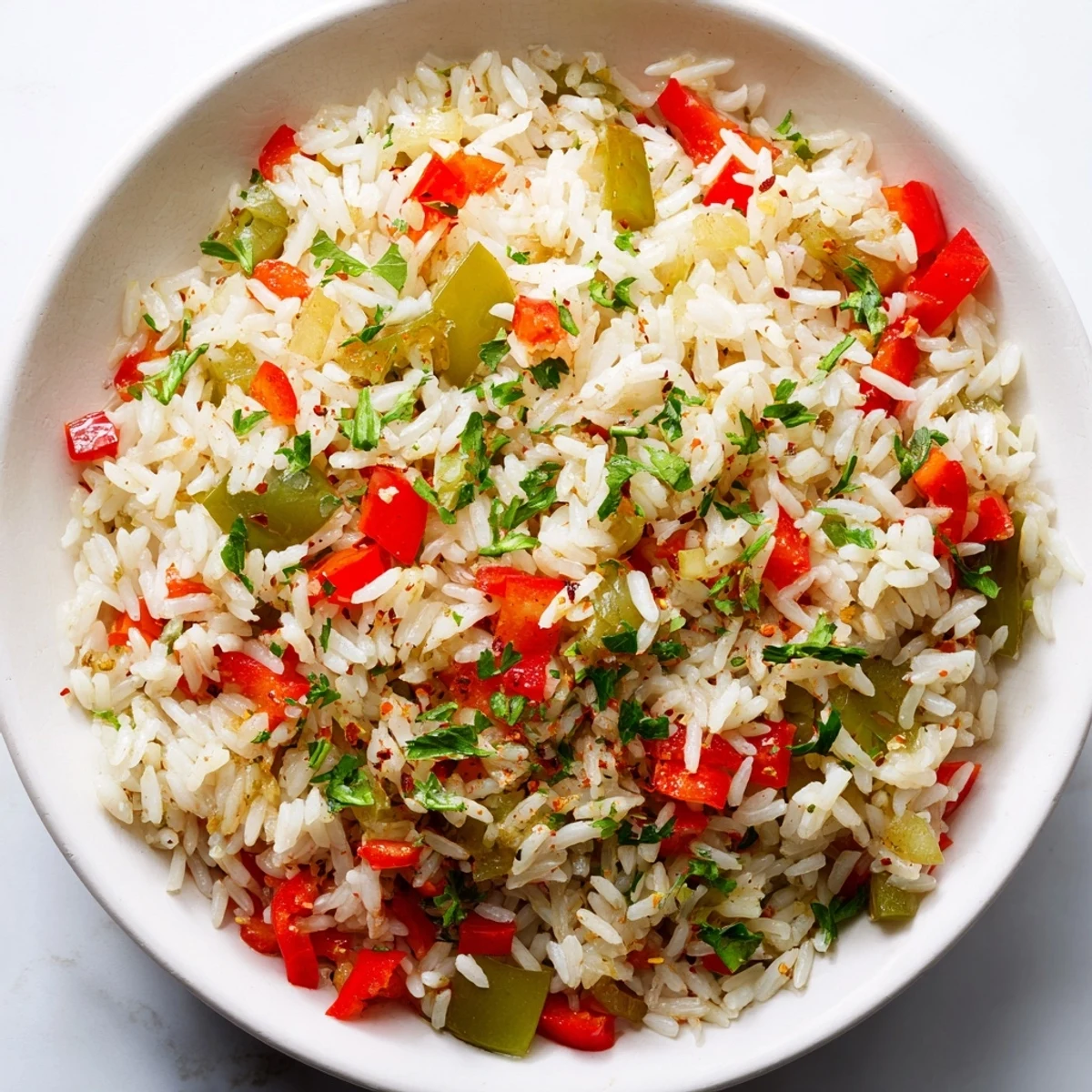
Save This vibrant Creole-style rice pilaf highlights the natural sweetness of bell peppers and onions, blended with aromatic spices like paprika, thyme, and oregano. Long-grain rice is toasted and simmered in vegetable broth to achieve a fluffy, flavorful texture. A touch of cayenne adds gentle heat, while fresh parsley brightens the dish. Ideal as a side or a light meal, it’s quick to prepare and celebrates the rich culinary heritage of Creole cuisine.
The first time I made this rice pilaf, my kitchen smelled like a New Orleans street corner on a Sunday morning. That aromatic blend of bell peppers, onions, and spices filled every corner of the house before the rice even hit the pan. My roommate wandered in, drawn by the scent, and asked what restaurant I'd ordered from.
Last summer, I served this at a potluck alongside some grilled jambalaya. Three different people asked for the recipe before they'd even finished their first bite. Something about the way the paprika and vegetables meld together makes people think you spent hours over the stove.
Ingredients
- 1 medium yellow onion, finely chopped: The foundation of the flavor base, so take your time dicing evenly
- 1 red bell pepper, diced: Adds sweetness and that signature Creole color contrast
- 1 green bell pepper, diced: Brings a slightly grassy note that balances the red pepper's sweetness
- 2 cloves garlic, minced: Fresh garlic makes all the difference here
- 1 cup long-grain white rice, rinsed: Rinse until the water runs clear for fluffier results
- 2 cups low-sodium vegetable broth: Low-sodium lets you control the seasoning perfectly
- 1 teaspoon paprika: Smoked paprika adds incredible depth if you have it
- 1/2 teaspoon dried thyme: Earthy and aromatic, thyme is the backbone of Creole seasoning
- 1/2 teaspoon dried oregano: Adds a subtle floral note that complements the thyme
- 1/4 teaspoon cayenne pepper: Start here and adjust after tasting—some days you want more warmth
- 1 bay leaf: Dont forget to remove it before serving
- 1/2 teaspoon salt, or to taste: Season gradually as you cook
- 1/4 teaspoon black pepper: Freshly cracked pepper releases more oils and flavor
- 2 tablespoons olive oil: You want enough fat to properly toast the rice grains
- 2 tablespoons fresh parsley, chopped: The finishing touch that makes everything look intentional
Instructions
- Heat your pan:
- Pour the olive oil into a large saucepan and set it over medium heat. Wait until the oil shimmers slightly—that's your signal the pan is ready.
- Start the base:
- Add the chopped onion and let it soften for about 2 minutes. You'll notice it become translucent and fragrant.
- Add the peppers:
- Stir in the red and green bell peppers. Cook for 3 to 4 minutes until they're tender but still have some bite.
- Bloom the garlic:
- Toss in the minced garlic and cook for just 1 minute, stirring constantly. You want it aromatic, not browned or bitter.
- Toast the rice:
- Add the rice, paprika, thyme, oregano, cayenne, salt, and pepper. Stir constantly for 2 minutes until the rice smells nutty and the spices coat every grain.
- Add the liquid:
- Pour in the vegetable broth and drop in the bay leaf. Bring everything to a gentle boil—you'll see bubbles forming around the edges.
- Simmer:
- Reduce the heat to low, cover tightly, and let it simmer for 18 to 20 minutes. Resist the urge to peek—the steam needs to stay trapped.
- Let it rest:
- Remove from heat and keep it covered for 5 minutes. This step is crucial for fluffy, separated grains.
- Finish:
- Fluff the rice with a fork, fish out the bay leaf, and sprinkle with fresh parsley before serving.
 Save
Save My grandmother always said rice dishes need patience. She'd hover over the pot, listening to the gentle hiss of steam, and taught me that the best things happen when you let them cook undisturbed. This recipe reminds me of her kitchen every time.
Make It Your Own
I've discovered that adding diced celery with the onions creates a more complex flavor profile. The celery's subtle bitterness cuts through the sweetness of the peppers and adds another layer to the aromatic base.
Serving Ideas
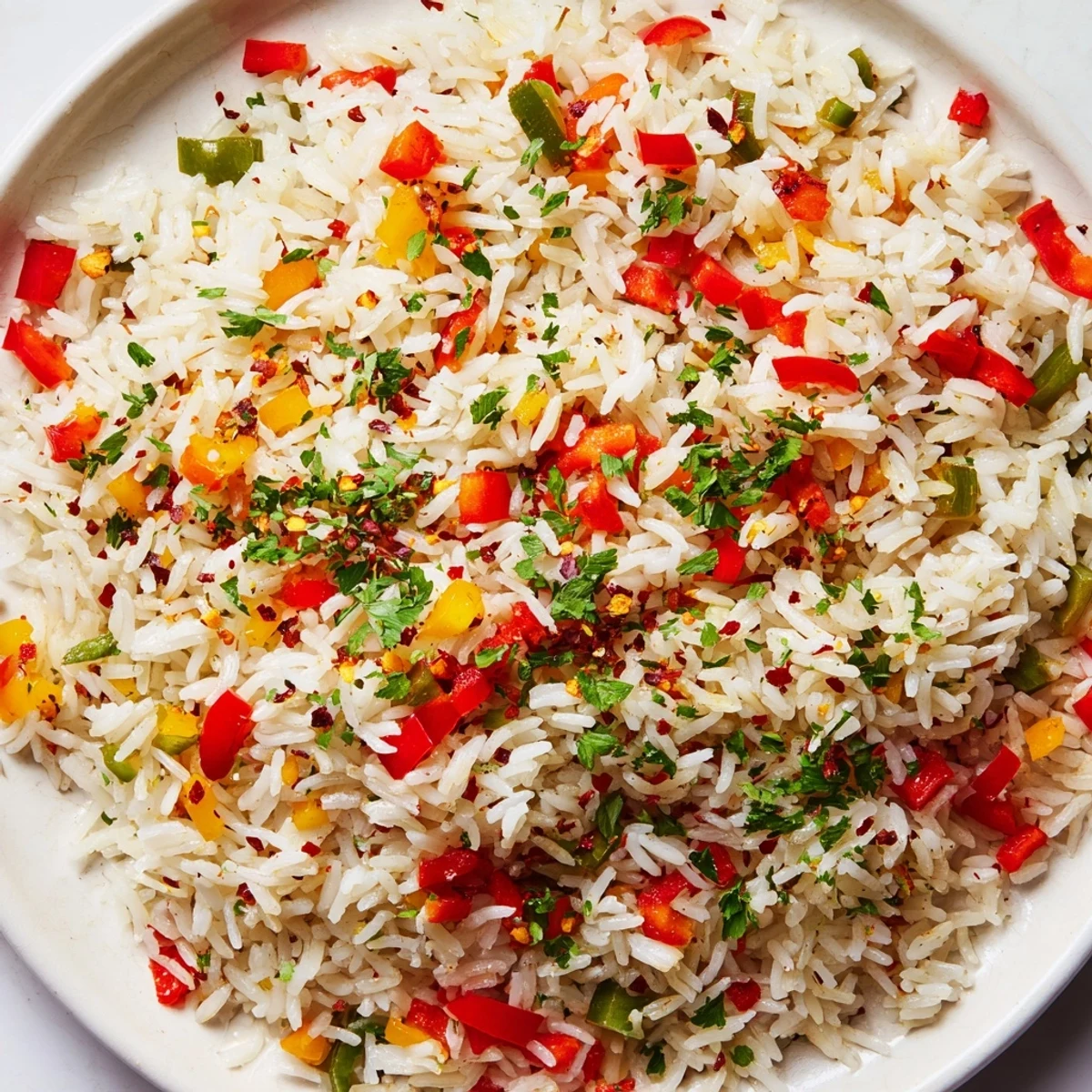
This pilaf holds its own as a main dish with a simple green salad on the side. It also pairs beautifully with grilled chicken, blackened fish, or even stuffed into bell peppers for a complete vegetarian meal.
Storage And Reheating
The flavors actually deepen overnight, making it excellent for meal prep. Store it in an airtight container in the refrigerator for up to four days. When reheating, sprinkle a tablespoon of water over the rice and warm it gently, covered, to restore moisture.
- Add a splash of extra broth when reheating to refresh the rice
- Reheat on the stovetop over low heat for the best texture
- The pilaf freezes well for up to two months in freezer-safe containers
 Save
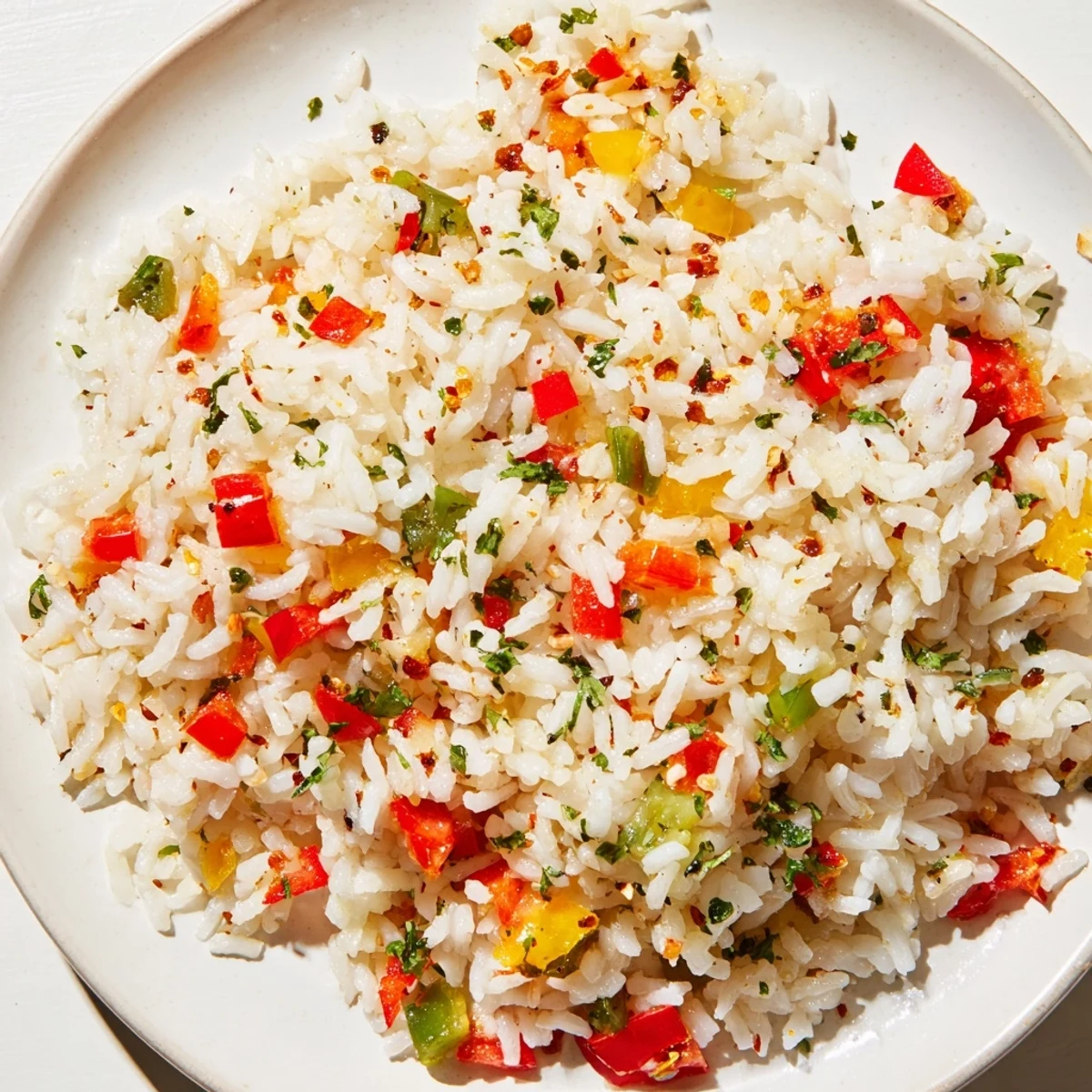
Save There's something deeply satisfying about a dish that looks impressive but comes together with such simple techniques. This rice pilaf has become my go-to for everything from weeknight dinners to special occasions.
Recipe Questions
- → What type of rice works best for this dish?
-
Long-grain white rice is ideal as it remains fluffy and separate after cooking, perfectly absorbing the spices and broth flavors.
- → Can I adjust the heat level?
-
Yes, the cayenne pepper can be increased or omitted based on your preferred spice intensity. Hot sauce can also be added for extra kick.
- → Is this dish suitable for vegetarians and gluten-free diets?
-
Absolutely, it uses vegetable broth and gluten-free ingredients, making it suitable for both vegetarian and gluten-free diets.
- → Can I use other vegetables in this pilaf?
-
Yes, celery or other diced vegetables can be added with the onions for extra texture and flavor.
- → How can I make the pilaf more aromatic?
-
To enhance aroma, toast the rice gently with the spices before adding broth, and use fresh herbs like parsley as garnish.