
 Save
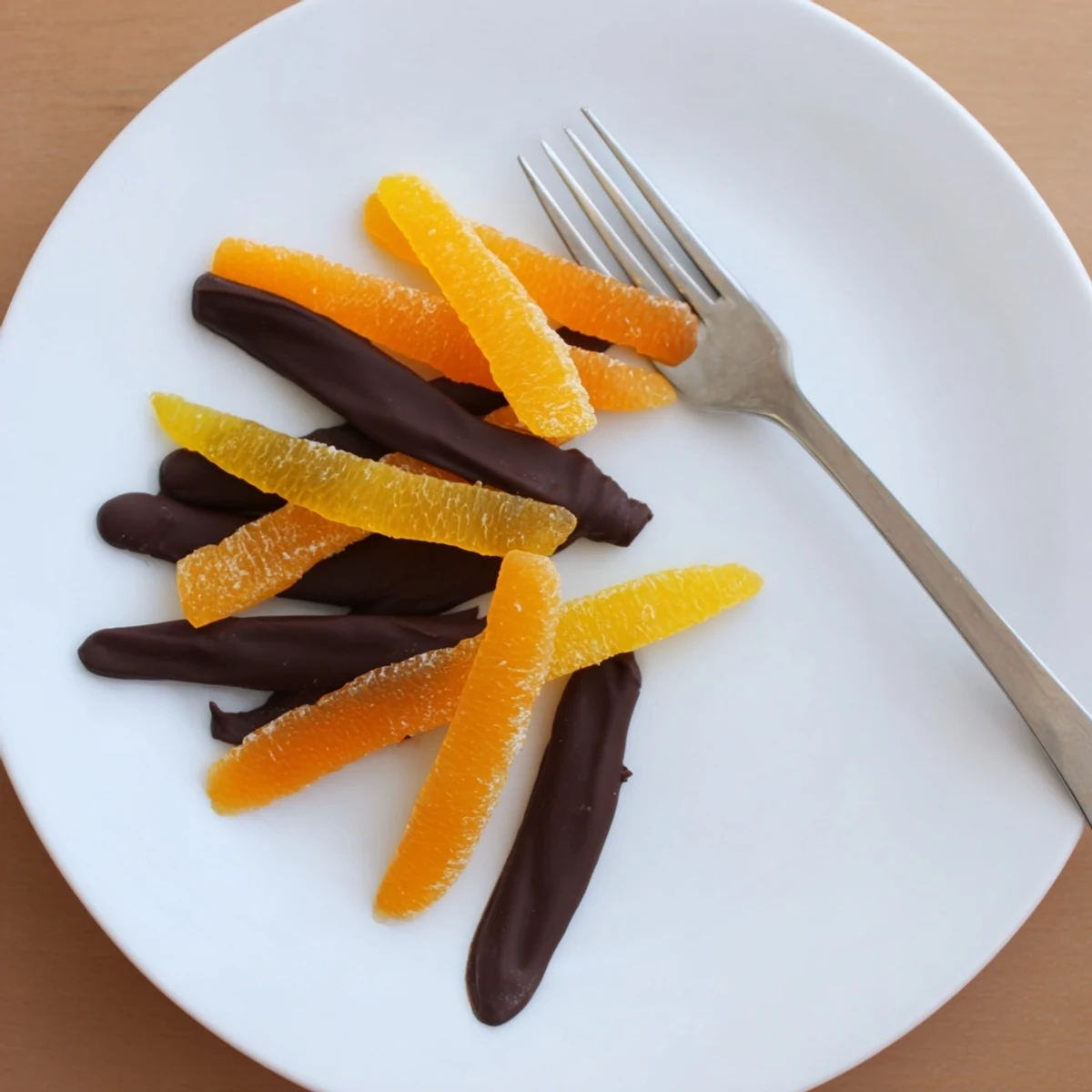
Save These chocolate covered orange peels transform simple citrus into an elegant confection. Fresh orange peel strips are blanched multiple times to remove bitterness, then slowly simmered in sugar syrup until translucent and tender.
Once dried, each candied strip is dipped halfway into melted dark chocolate and left to set. The contrast of sweet, chewy candied peel and bittersweet chocolate creates a perfectly balanced bite.
A classic European treat ideal for holiday gifting, after-dinner indulgence, or pairing with espresso and dessert wine.
The smell of orange oil bursting under my thumbs changed everything about how I saw kitchen scraps. I was wasting peels for years until a rainy Saturday taught me that the best candy in any European chocolatier window starts with something most people throw away. These chocolate dipped orange peels became my quiet obsession, the kind of project that fills an afternoon with sweetness and pays you back for weeks. Three oranges and a bag of sugar is all it takes to feel a little bit fancy.
I brought a tin of these to a holiday party once and watched a woman eat six in a row before asking where I ordered them. When I said I made them from orange peels, she laughed and called me a liar right there in the kitchen. That reaction never gets old.
Ingredients
- 3 large oranges (organic preferred): Organic skins are cleaner and the oils are more fragrant, which matters when the peel is the whole point.
- 2 cups granulated sugar: This forms the syrup that transforms tough bitter rinds into translucent candy.
- 1 cup water: Just enough to dissolve the sugar and carry it into every layer of the peel.
- 200 g dark chocolate (60 to 70% cocoa), chopped: The higher percentage balances the sweetness of the candied fruit and gives that satisfying snap.
Instructions
- Peel the oranges:
- Wash each orange well, slice off the top and bottom so it sits flat, then score the skin into four sections and peel them away with your thumbs, keeping some white pith attached because it holds the candy nicely.
- Cut into strips:
- Lay the peels flat and slice them into strips about half a centimeter wide, trying to keep them even so they cook at the same rate.
- Blanch three times:
- Cover the strips with cold water in a saucepan, bring to a rolling boil, drain completely, and repeat twice more so the harsh bitterness cooks out and leaves only bright citrus flavor behind.
- Make the syrup:
- Combine sugar and water in a clean saucepan, stir over medium heat until you see no more granules at the bottom, then slide the blanched peels gently into the liquid.
- Simmer until translucent:
- Let everything bubble uncovered for 45 to 60 minutes, stirring now and then, until the peels look glassy and soft and the syrup has thickened around them.
- Dry the peels:
- Lift each strip out with tongs and lay them on a wire rack, spacing them apart so air can circulate, and leave them for at least two hours or ideally overnight until nothing feels sticky to the touch.
- Melt the chocolate:
- Set a heatproof bowl over a pot of barely simmering water, add the chopped chocolate, and stir gently until it turns into a smooth glossy pool with no lumps.
- Dip and set:
- Take each candied strip and dip it halfway into the chocolate, letting the extra drip back into the bowl before placing it carefully on parchment paper, then wait for the coating to harden at room temperature or speed things up in the fridge.
 Save
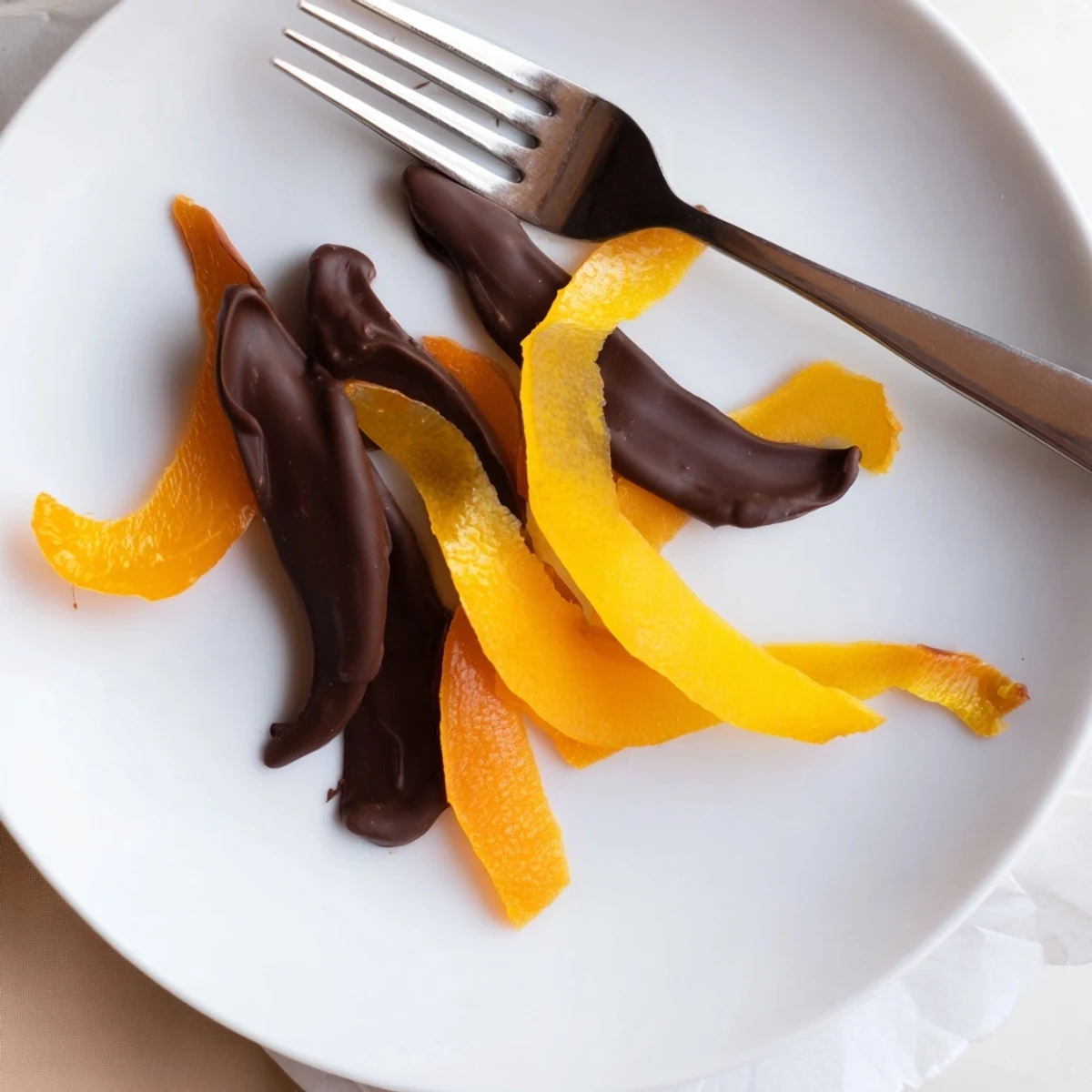
Save There is something meditative about standing at the counter dipping peel after peel, the chocolate warm and fragrant, your fingers increasingly messy, the tray slowly filling with little jewels of candy. It is the sort of task that makes you glad nobody is rushing you.
Getting the Right Chocolate
Use decent chocolate here because there are only two ingredients on display and neither one can hide behind the other. A bar between 60 and 70 percent cocoa gives you that clean snap and slight bitterness without overwhelming the delicate orange flavor. Cheap chocolate with waxy additives will coat your mouth and ruin the balance entirely.
Storage That Keeps Them Perfect
Layer the finished peels between sheets of parchment inside an airtight container and keep them somewhere cool and dry, not the fridge unless your kitchen is genuinely hot. Humidity is the enemy of that glossy finish and will leave the chocolate looking dull and dusty within a day.
Serving and Gifting Ideas
Pile them into small glass jars tied with kitchen twine for the easiest homemade gift that actually impresses people. They also belong on any dessert board next to fresh fruit, nuts, and strong espresso for dipping.
- Roll the candied peels in extra sugar before dipping if you want them sweeter and sparkly.
- Try milk or white chocolate for a softer, creamier version that kids tend to prefer.
- Always check your chocolate label if cooking for someone with soy or dairy allergies.
 Save
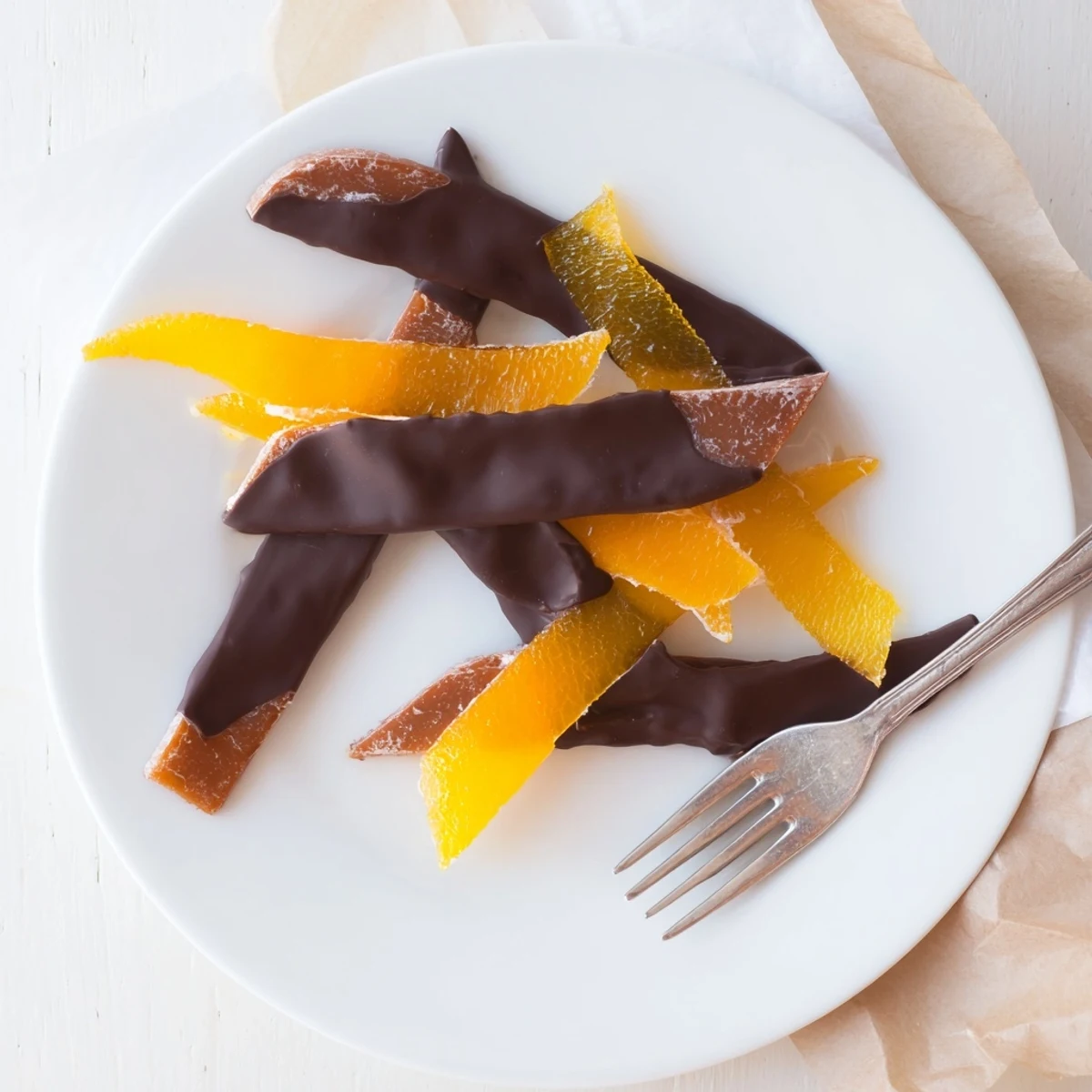
Save Keep a tin hidden in the back of your pantry for yourself, because once you share these they disappear fast and nobody ever admits how many they ate. That quiet satisfaction is the real reward of making candy from scraps.
Recipe Questions
- → Do I need to remove all the white pith from the orange peels?
-
No, you don't need to remove all of it. Leaving a thin layer of white pith adds a pleasant texture and slight bitterness that pairs well with the sweet syrup and chocolate. The triple blanching process effectively softens and reduces excess bitterness.
- → Can I use milk or white chocolate instead of dark chocolate?
-
Yes, milk or white chocolate works well if you prefer a sweeter, milder flavor. Keep in mind that white chocolate is more delicate when melting, so use gentle heat and stir frequently to avoid seizing.
- → How long should the candied peels dry before dipping in chocolate?
-
Allow the candied peels to dry on a wire rack for at least 2 hours at room temperature. For best results, let them dry overnight. They should feel tacky but not sticky to the touch before dipping.
- → Why do I need to blanch the orange peels three times?
-
Triple blanching is essential for removing the intense bitterness from the orange peels. Each boil-and-drain cycle draws out more bitter compounds, resulting in candied peels with a pleasant, mild citrus flavor rather than an overpowering one.
- → How should I store chocolate covered orange peels?
-
Store them in an airtight container in a cool, dry place for up to 2 weeks. Avoid refrigerating for long periods, as condensation can affect the chocolate's appearance and texture. If your kitchen is warm, refrigeration is fine for short periods.
- → Can I use non-organic oranges for this confection?
-
Organic oranges are strongly recommended since you're using the peel, which is directly exposed to any pesticides or wax coatings. If using conventional oranges, scrub them thoroughly under warm water with a produce brush to remove as much residue as possible.