
 Save
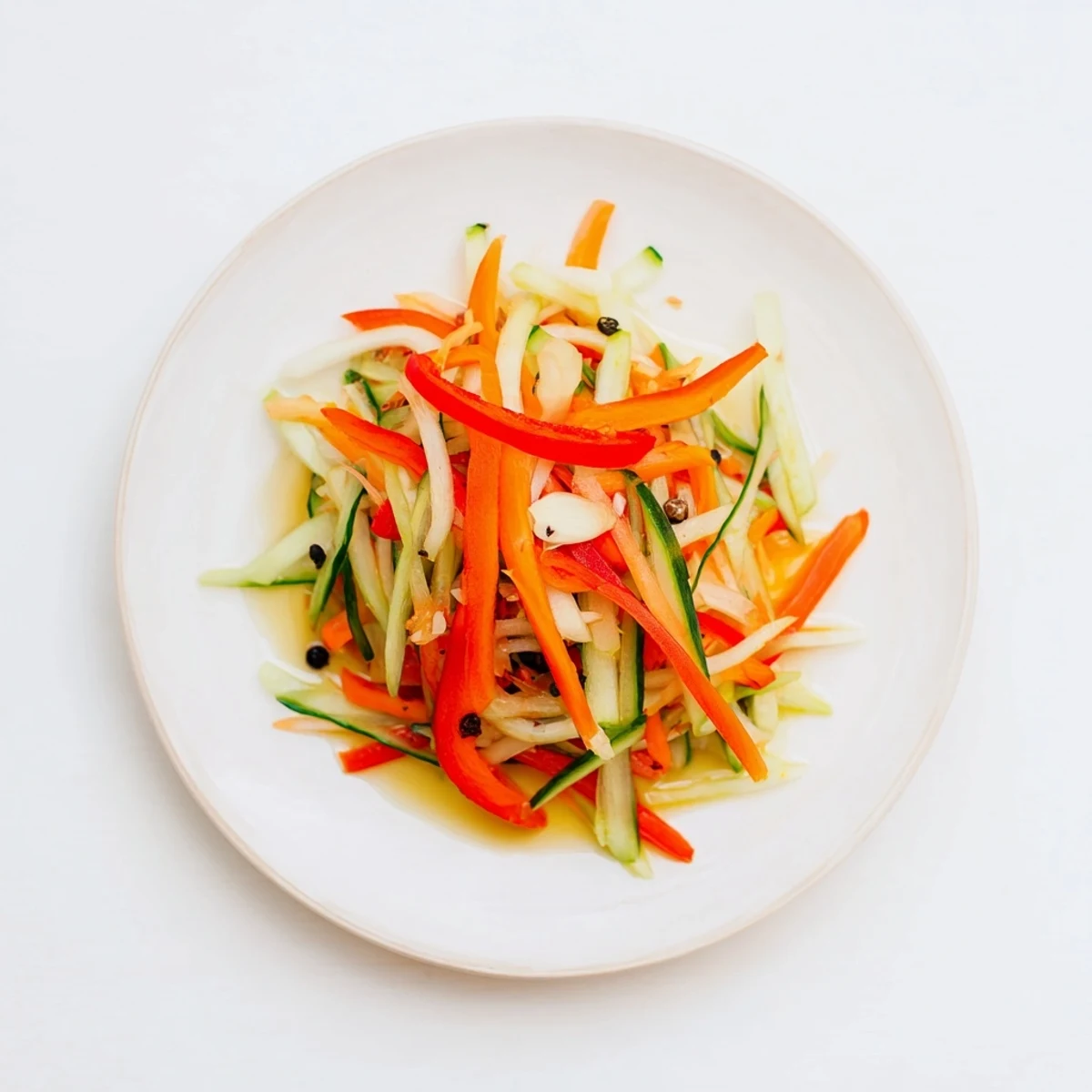
Save This colorful vegetable medley combines crisp daikon radish, carrots, cucumber, and red bell pepper in a traditional Vietnamese pickling liquid. The sweet and tangy brine infuses the vegetables with bright, refreshing flavors while maintaining their satisfying crunch.
The process involves preparing julienned vegetables, creating a simple rice vinegar brine with sugar and salt, then allowing the mixture to marinate for optimal flavor development. These versatile pickles complement countless dishes and add authentic Vietnamese flair to your meals.
The first time I made these pickles, I had just come home from a Vietnamese sandwich shop absolutely obsessed with the crunch and brightness in every bite. My kitchen was tiny and I was convinced restaurant quality condiments were beyond my reach, but I julienne cut carrots and daikon on a cutting board that barely fit on my counter. Two hours later, I took a taste and realized I had been wrong about so many things.
Last summer my sister came to visit and we made banh mi from scratch, spending hours on the pork belly and mayonnaise. But when she took her first bite, she stopped mid sentence and asked what made the sandwich sing. It was these pickles, and she made me triple the recipe before she left town.
Ingredients
- Daikon radish: This mild winter radish provides the bulk of that satisfying crunch and absorbs the brine beautifully
- Carrots: They add natural sweetness and stay crisp even after days in the refrigerator
- Rice vinegar: The gentle acidity is essential, white vinegar would be too harsh for this delicate balance
- Sugar: Do not reduce this amount, the sweetness perfectly counterbalances the salt and vinegar
Instructions
- Salt the vegetables:
- Toss your julienned vegetables with salt and let them sit for 15 minutes to draw out excess moisture, which helps them stay incredibly crisp.
- Create the brine:
- Heat the rice vinegar, water, sugar, and salt just until dissolved, then cool completely so you do not accidentally cook your vegetables.
- Layer and pack:
- Firmly pack vegetables into your jar, adding garlic and peppercorns between layers, then pour the cooled brine over everything.
- The waiting game:
- Refrigerate for at least 2 hours, but honestly let them sit overnight if you can because the flavors deepen and become absolutely perfect.
 Save
Save My roommate used to sneak these straight from the jar at midnight with a fork, claiming they were the perfect late night snack. She was right actually.
The Vegetable Selection
I have tried adding green beans, cauliflower florets, and even thin slices of bell pepper to the mix. Each variation brings something lovely, but the classic carrot and daikon combination remains unbeatable for that authentic Vietnamese restaurant taste.
Adjusting the Balance
Some weeks I want them sweeter, so I add an extra tablespoon of sugar to the brine. Other days I need more acid and splash in additional rice vinegar. The beauty of this recipe is how forgiving it is once you understand the basic ratios.
Making Them Last
Always use a clean fork to retrieve vegetables from the jar, never your fingers. This simple habit keeps your pickles fresh for the full two weeks.
- These pair perfectly with grilled fish tacos for an unexpected fusion moment
- Chop them finely and fold into tuna salad for brightness that people will ask about
- The brine makes an excellent base for Asian inspired salad dressings
 Save
Save Now you have the secret to that perfect crunch in Vietnamese cuisine.
Recipe Questions
- → How long do Vietnamese pickled vegetables last?
-
These pickled vegetables stay fresh for up to 2 weeks when stored properly in a sealed jar in the refrigerator. The flavors continue to develop over time, becoming more pronounced after a few days of marinating.
- → Can I use different vegetables in this medley?
-
Absolutely. While daikon and carrots are traditional, you can incorporate green beans, cauliflower, cabbage, or even julienned kohlrabi. Maintain similar cutting sizes for consistent pickling across all vegetables.
- → What makes these pickles Vietnamese-style?
-
The combination of rice vinegar, balanced sweetness, and the specific vegetable selection creates the characteristic Vietnamese flavor profile. The use of daikon radish and the particular sweet-tangy ratio distinguishes this from other pickling traditions.
- → Do I need to sterilize the jar?
-
For this quick-pickle method that's refrigerated and consumed within 2 weeks, thoroughly cleaning the jar with hot soapy water is sufficient. Sterilization isn't required as with shelf-stable canning recipes.
- → Can I adjust the sweetness or acidity?
-
Certainly. Increase sugar for a sweeter result or add more vinegar for extra tang. You can also adjust salt to taste. Make these changes while the brine is warm to ensure everything dissolves properly.