
 Save
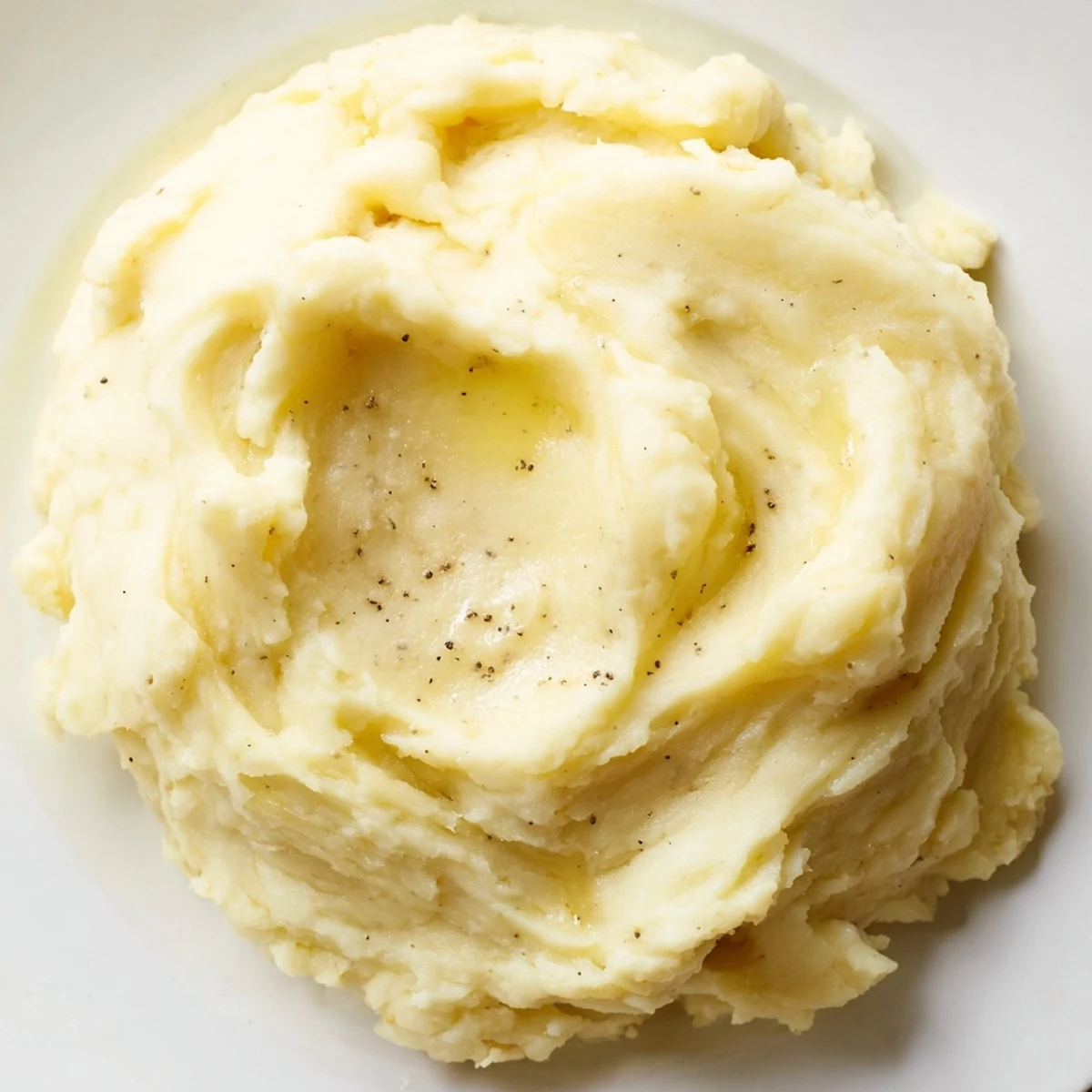
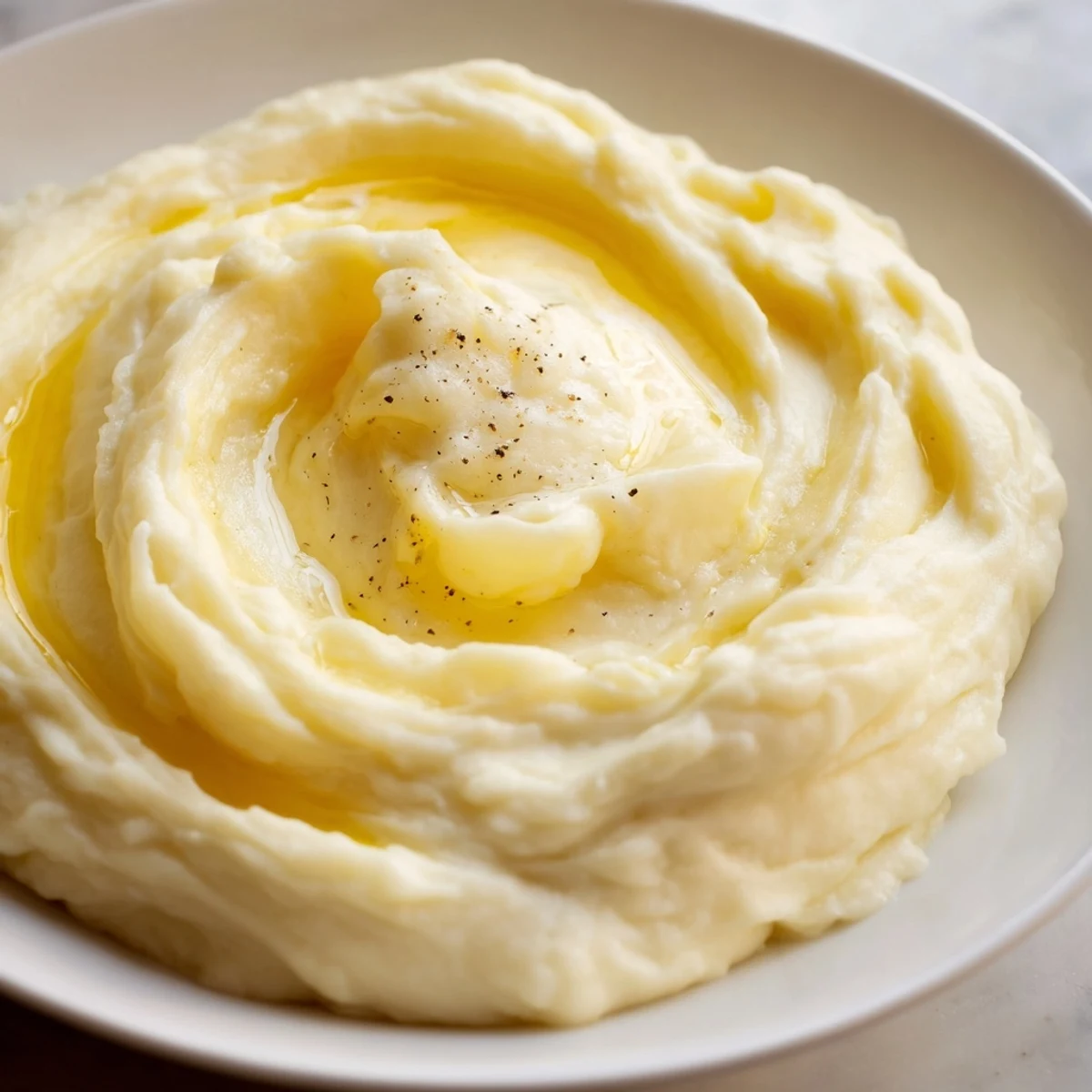
Save These velvety mashed potatoes combine Yukon Gold potatoes with generous amounts of butter, whole milk, and heavy cream for an impossibly smooth texture. The key lies in warming the dairy before folding it in and allowing the drained potatoes to dry out briefly over low heat.
Ready in just 40 minutes, this classic American side dish pairs beautifully with roasted meats, poultry, or a ladleful of mushroom gravy. Simple ingredients, timeless comfort.
The steam hit my face before I even lifted the lid, and honestly that moment alone is worth making mashed potatoes from scratch. There is something about the quiet ritual of peeling, boiling, and mashing that grounds me no matter what kind of day it has been. These are not fancy or complicated, but they disappear faster than anything else on the table.
I made a double batch of these for a Friendsgiving potluck and watched three grown adults ignore the turkey entirely just to go back for more potatoes. One friend literally scraped the bowl clean with a piece of bread and did not make eye contact with anyone while doing it. That is the highest compliment a side dish can receive.
Ingredients
- 2 lbs Yukon Gold potatoes: Peeled and cut into even chunks so they all finish cooking at the same time and you do not end up with some bits grainy and others falling apart.
- 4 tbsp unsalted butter: Cubed so it melts quickly and evenly into the hot potatoes without cooling them down too much.
- 3/4 cup whole milk (warmed): Cold milk is the enemy of fluffy potatoes, so always warm it gently before adding.
- 1/4 cup heavy cream (warmed): This is what pushes the texture from good to unforgettable, and you will notice the difference immediately.
- 1 1/2 tsp kosher salt plus more to taste: Seasoning the potato water is just as important as seasoning the finished dish.
- 1/4 tsp freshly ground black pepper: Freshly cracked makes a real difference here since the pepper flavor sits right on top of the creaminess.
Instructions
- Cover and salt the water:
- Place the peeled potato chunks in a large pot and cover them with cold water by about one inch, then add a teaspoon of kosher salt. Starting cold ensures the potatoes cook evenly all the way through instead of turning mushy on the outside while the centers stay hard.
- Simmer until fork tender:
- Bring the pot to a boil over medium-high heat, then immediately drop it down to a gentle simmer. Cook for 15 to 20 minutes, testing with a fork until it slides in with zero resistance and almost falls apart on its own.
- Drain completely:
- Pour the potatoes into a colander and give them a good shake to get rid of every last drop of water. Any lingering moisture will make the final texture gummy instead of light.
- Dry them out:
- Return the drained potatoes to the pot and set it over low heat for one to two minutes, stirring gently so they do not catch on the bottom. This tiny step is the difference between watery and cloud-like.
- Mash until smooth:
- Use a potato masher, ricer, or food mill and work the potatoes until they are completely free of lumps. A ricer gives you the silkiest result if you have one, but a masher gets the job done beautifully with a bit more texture.
- Fold in the butter:
- Add the cubed butter and fold it through the hot potatoes until every bit is melted and absorbed. Do this before adding any liquid so the butter coats the starches and creates a protective layer against gumminess.
- Add the warm liquids:
- Pour in the warmed milk and cream gradually, stirring gently until everything comes together into a silky, swooping mass. Stop when it looks right to you, because personal preference really does rule here.
- Season and serve:
- Taste for salt and pepper, adjust until it sings, and serve immediately while still piping hot. Mashed potatoes wait for no one, and they are at their absolute best in those first ten minutes off the stove.
 Save
Save My grandmother used to say you can judge a cook by their mashed potatoes, and she was absolutely right about that. Hers were always the first bowl emptied at every holiday dinner, and nobody ever asked for the recipe until after she was gone. I think she would be pleased that I finally figured it out.
Choosing the Right Potato
Yukon Golds are my go-to because they strike the perfect balance between starchy and waxy, giving you a creamy result without turning to paste. Russets work too and yield a fluffier, lighter texture, but they absorb more liquid so you will need to adjust your milk and cream amounts. Red potatoes hold their shape too well and tend to leave you with chunky results no matter how long you mash. Stick with Yukon Golds for this particular recipe and you cannot go wrong.
Making It Your Own
Drop a smashed garlic clove or a sprig of rosemary into your warming milk and let it steep for ten minutes before straining it into the potatoes. The flavor will be subtle and fragrant without overpowering the pure comfort of the base recipe. A handful of sharp cheddar folded in at the end turns this into something entirely different and wonderful for a weeknight dinner. Chives on top add a fresh bite that cuts through all that richness perfectly.
Serving and Storing
Mashed potatoes are at their peak the moment you finish them, but they hold reasonably well in a warm oven covered with foil for up to an hour. If you have leftovers, they reheat beautifully with a splash of milk and a patient hand stirring over low heat.
- Freeze individual portions in airtight containers for up to a month for a quick side on busy nights.
- Leftover mashed potatoes make incredible potato cakes the next morning with just a bit of flour and a hot skillet.
- Always taste for salt again after reheating because the flavor dulls slightly when chilled.
 Save
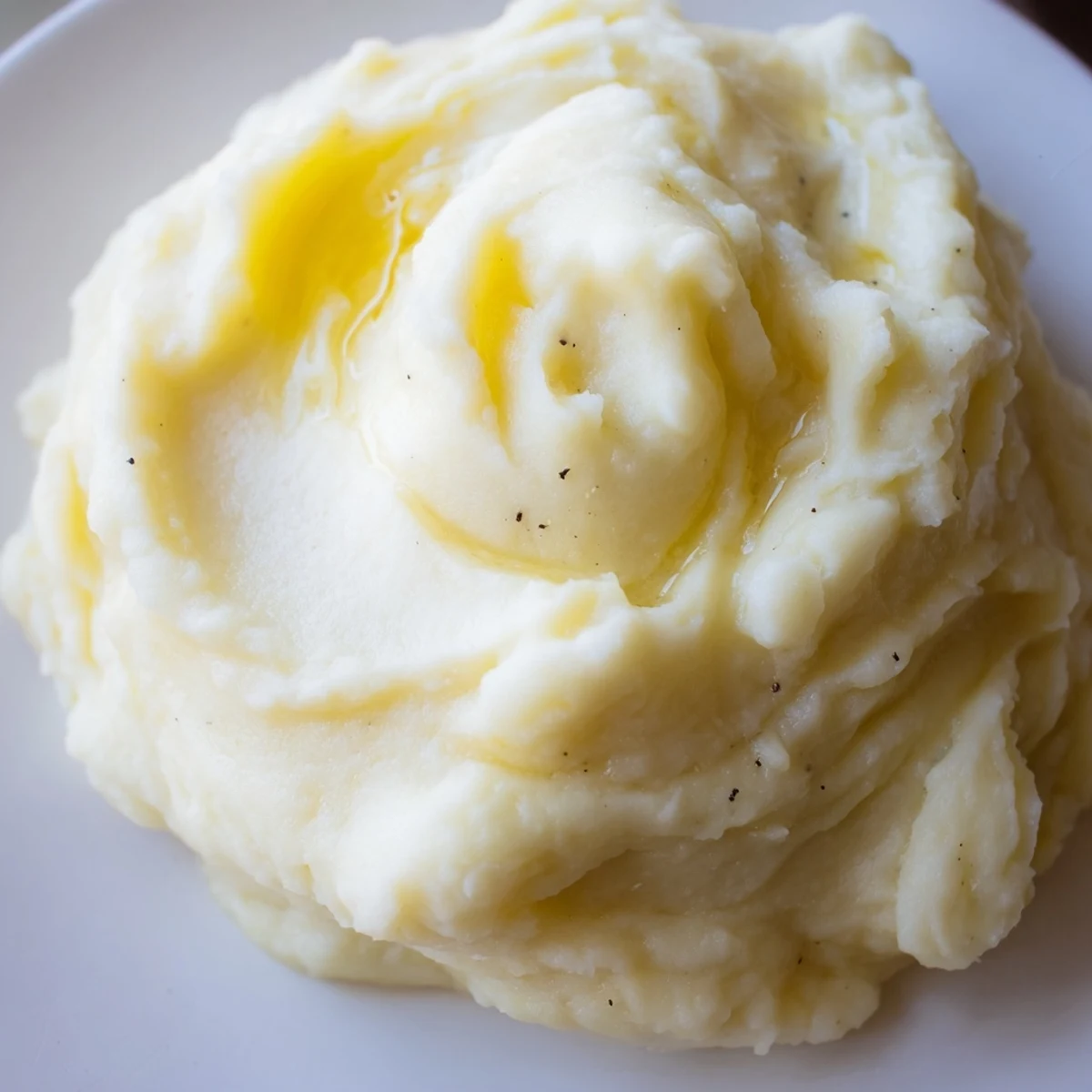
Save A bowl of really good mashed potatoes can turn an ordinary Tuesday dinner into something worth slowing down for. Keep this recipe close because you will come back to it again and again.
Recipe Questions
- → What type of potatoes work best for mashed potatoes?
-
Yukon Gold potatoes are ideal because they have a naturally buttery flavor and creamy texture. Russet potatoes also work well and yield a fluffier result. Avoid waxy varieties like red potatoes, which can become gummy when mashed.
- → Why should I warm the milk and cream before adding them?
-
Warm dairy incorporates more smoothly into the hot potatoes and helps maintain the overall temperature. Cold liquid cools down the potatoes, which can cause the butter to seize and create an uneven, lumpy texture.
- → How do I avoid gummy mashed potatoes?
-
Over-mashing is the main culprit behind gummy potatoes. Use a ricer or food mill for the smoothest result with minimal handling. Avoid using a blender or food processor, as these break down the starches too aggressively and create a sticky, paste-like consistency.
- → Can I make mashed potatoes ahead of time?
-
Yes, you can prepare them up to a day in advance. Store them in a covered dish in the refrigerator, then reheat in the oven at 350°F covered with foil, or gently warm them on the stovetop with a splash of extra milk while stirring occasionally.
- → How can I add more flavor to my mashed potatoes?
-
Try infusing the warm milk with crushed garlic cloves, fresh thyme, or bay leaves before straining it into the potatoes. Roasted garlic, chopped chives, sour cream, or a handful of sharp cheddar are also excellent stir-ins for elevated flavor.