
 Save
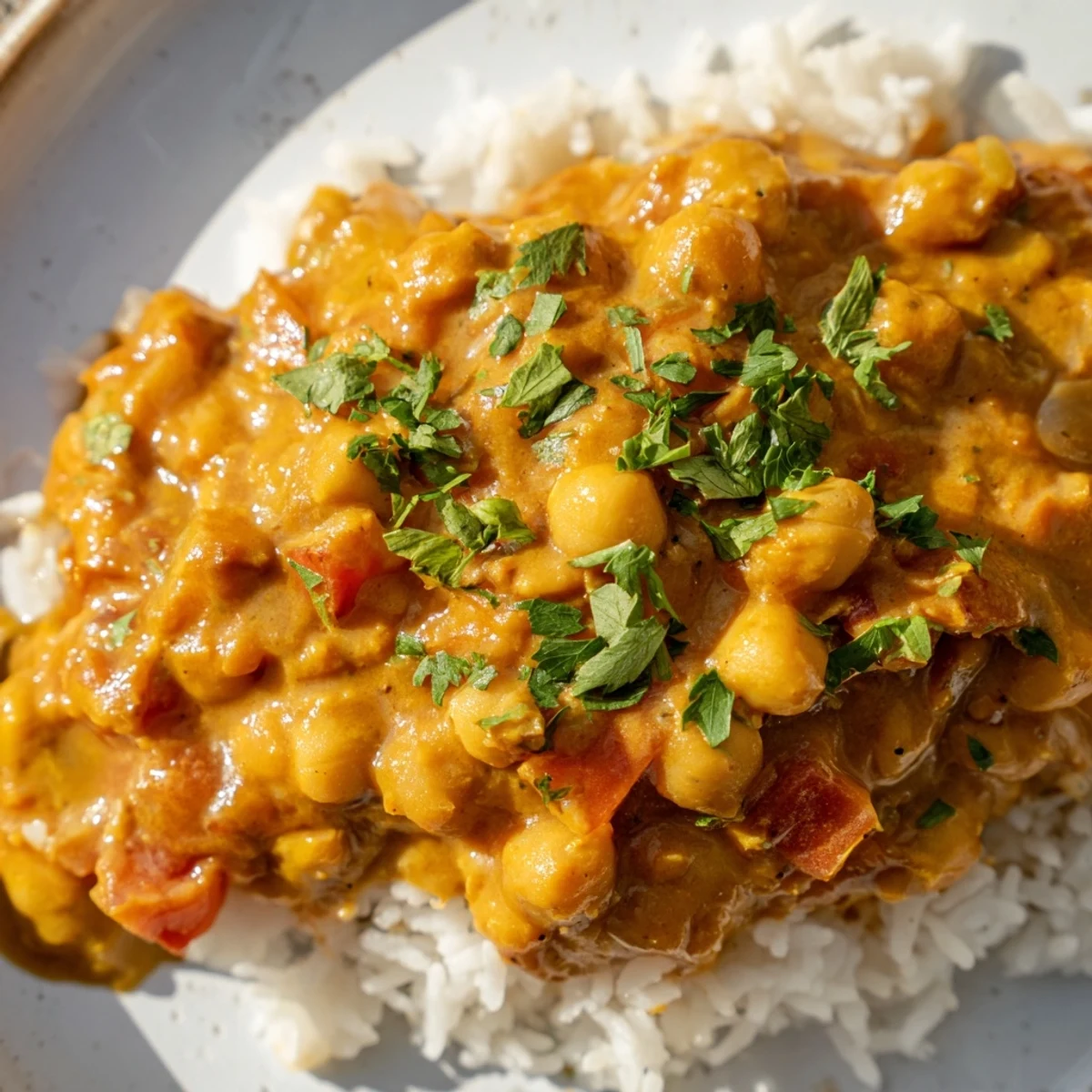
Save Create a richly spiced curry by sautéing onions, garlic, and ginger with toasted garam masala, cumin, and turmeric. Simmer chickpeas in coconut milk and diced tomatoes until the sauce thickens nicely. Finish with lemon juice and fresh cilantro. Serve this creamy, wholesome dish alongside perfectly fluffy basmati rice for a satisfying and hearty dinner.
There's something about the smell of garam masala hitting hot oil that makes me feel like I'm cooking in someone else's kitchen—the good kind of borrowed magic. I discovered this vegan chickpea tikka masala completely by accident, trying to veganize a recipe my friend Priya made for me years ago, and what started as a compromise turned into something I crave constantly. The creamy coconut sauce clings to tender chickpeas in a way that feels indulgent without a hint of dairy, and the basmati rice underneath catches all those spiced notes. It's become my go-to dish when I want something that feels restaurant-quality but takes barely an hour from start to finish.
I made this for my partner on a cold Tuesday night when we were both tired from work, and watching their face when they took the first bite—that little pause before the smile—reminded me why I love cooking. There's something about a really good, warming curry that says more than words ever could.
Ingredients
- Coconut oil or vegetable oil (2 tablespoons): Coconut oil adds a subtle richness, but vegetable oil works just fine if that's what you have on hand.
- Onion (1 large, finely chopped): This is your flavor foundation—don't rush the sautéing or you'll miss the sweet, jammy stage.
- Garlic (3 cloves, minced) and fresh ginger (1 tablespoon, grated): These two together create that warm, aromatic base that makes your kitchen smell like a proper Indian restaurant.
- Garam masala (2 teaspoons), ground cumin (1 teaspoon), ground coriander (1 teaspoon), turmeric powder (1 teaspoon): Buy whole spices and toast them yourself if you're feeling ambitious, but quality ground spices work beautifully here.
- Smoked paprika (½ teaspoon) and cayenne pepper (½ teaspoon optional): The paprika adds depth and subtle smokiness; cayenne is your heat dial—leave it out if spicy isn't your thing.
- Diced tomatoes (1 400g can): Canned tomatoes are your friend here; they're already soft and release their flavor easily into the sauce.
- Chickpeas (2 400g cans, drained and rinsed): Don't skip the rinsing step—it removes excess starch and prevents a gummy sauce.
- Coconut milk (1 cup full fat): Full fat is essential for that creamy texture; light coconut milk won't give you the same richness.
- Water or vegetable broth (½ cup): Broth adds extra depth, but water works if that's what you've got.
- Sea salt, black pepper, lemon juice (1 tablespoon), and fresh cilantro (2 tablespoons): Cilantro and lemon juice brighten everything at the end, so don't skip them even if you think you don't like cilantro.
Instructions
- Prep the rice:
- Rinse your basmati rice under cold water, stirring gently with your fingers, until the water runs almost clear—this removes excess starch and prevents clumpy rice. Combine the rinsed rice, 3 cups water, and salt in a saucepan, bring to a boil, then immediately drop the heat to low, cover tightly, and set a timer for exactly 15 minutes.
- Let the rice rest:
- Remove from heat and leave the lid on for 5 minutes—this gentle carryover cooking finishes the rice perfectly. Fluff gently with a fork before serving, separating any grains that stuck together.
- Start your aromatics:
- While the rice is cooking, warm your oil in a large skillet over medium heat until it shimmers slightly. Add your chopped onion and cook for 5 to 6 minutes, stirring occasionally, until the edges start to turn golden and it becomes soft and translucent.
- Build your spice base:
- Add your minced garlic and grated ginger, stirring constantly for about 1 minute until the rawness mellows and the kitchen smells incredible. Now add all your dry spices—garam masala, cumin, coriander, turmeric, smoked paprika, and cayenne if using—and toast them for just 30 seconds, stirring the whole time so they wake up but don't burn.
- Bring in the tomatoes:
- Pour in your can of diced tomatoes and their juices, stirring to coat everything in that spiced base. Let this bubble gently for 4 to 5 minutes, stirring every minute or so, which allows the tomatoes to break down and the flavors to deepen.
- Add the chickpeas:
- Now add your drained and rinsed chickpeas, the full-fat coconut milk, water or broth, salt, and black pepper. Stir everything together, bring the whole thing to a gentle simmer, and leave it uncovered for 15 to 20 minutes, stirring occasionally, until the sauce thickens and becomes creamy and rich.
- Finish with brightness:
- Turn off the heat and stir in your lemon juice and fresh cilantro, tasting as you go and adjusting salt and spices to your preference. This is your moment to make it exactly right.
- Serve and enjoy:
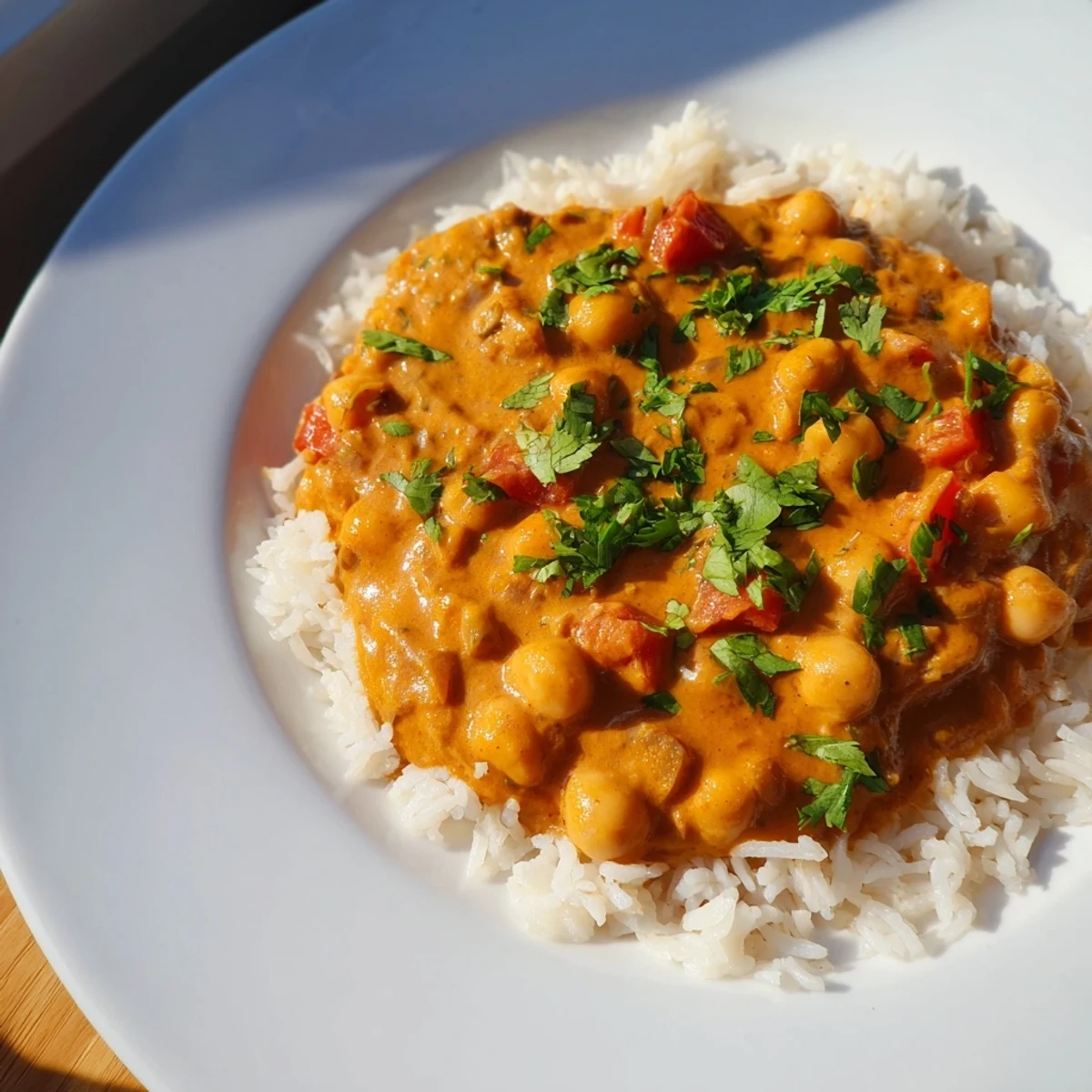
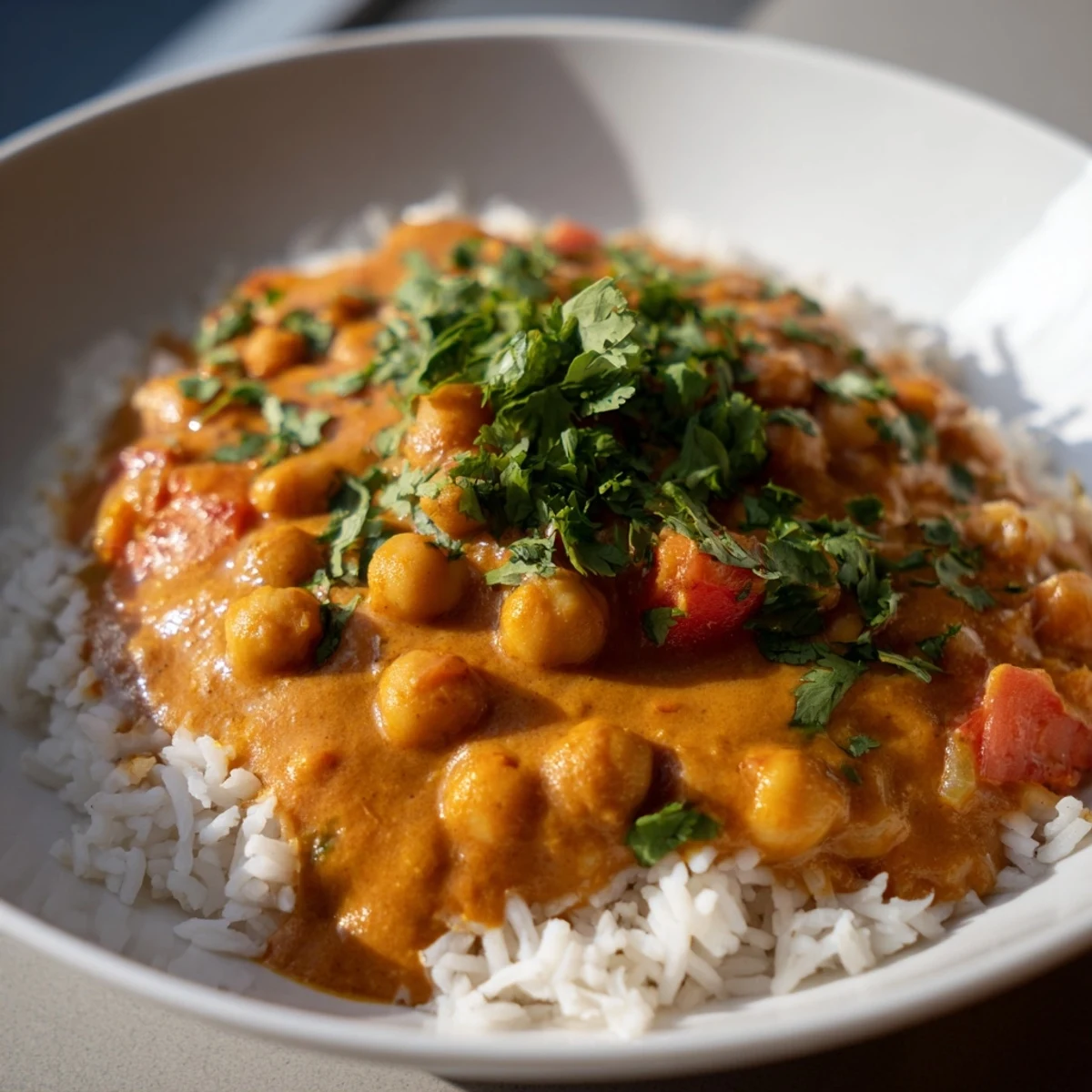
- Spoon the warm, creamy curry over your fluffy basmati rice and scatter extra cilantro on top, letting people see all those beautiful colors and herbs.
 Save
Save I served this to my parents for the first time and watched my dad, who is usually skeptical about vegan cooking, have a second helping without saying a word. That quiet appreciation meant more than any compliment ever could.
Why This Dish Changed My Cooking
For years I thought vegan cooking meant sacrificing depth and richness, but this recipe proved me completely wrong. The coconut milk is so creamy that nobody notices or cares about the absence of dairy, and the spices do all the heavy lifting when it comes to complexity. I started making this at least twice a month, and it's become the dish I'm most confident recommending to friends.
Customizing It to Your Taste
The beauty of this curry is how flexible it really is once you understand the basics. I've added handfuls of fresh spinach at the end, stirred in frozen peas for sweetness and color, and even thrown in roasted cauliflower chunks when I wanted something heartier. The spice level is entirely up to you—if cayenne pepper makes you nervous, just leave it out, and if you want it spicier, add more.
Serving Suggestions and Pairings
While the basmati rice is perfect on its own, I love using this as an excuse to make vegan naan or roti alongside it—something about wiping the sauce up with warm bread makes the whole meal feel more indulgent and complete. A simple cucumber and tomato salad on the side cuts through the richness, and if you're serving guests, having some fresh lime wedges and extra cilantro at the table lets everyone build their own perfect bite.
- Leftovers taste even better the next day as the spices have time to settle and blend together.
- You can freeze this curry for up to three months, though it's rarely around that long in my house.
- Pair it with a cold coconut yogurt on the side if you want something cooling against the warm spices.
 Save
Save This recipe has quietly become one of those dishes that brings people together, whether they eat plants or not. It's honest, warm, and genuinely delicious—the kind of meal that makes everyone at the table feel cared for.
Recipe Questions
- → How can I make the sauce thicker?
-
Mash some of the chickpeas with the back of a spoon while they simmer to naturally thicken the coconut milk base.
- → Is this dish very spicy?
-
It has a gentle warmth, but you can control the heat by omitting the cayenne pepper for a milder flavor profile.
- → What should I serve with the curry?
-
It pairs perfectly with fluffy basmati rice, but you can also serve it with warm vegan naan or roti bread.
- → How do I store leftovers?
-
Store the cooled curry and rice separately in airtight containers in the refrigerator for up to four days.
- → Can I add extra vegetables?
-
Yes, adding steamed spinach or peas during the last few minutes of cooking adds great texture and nutrition.