
 Save
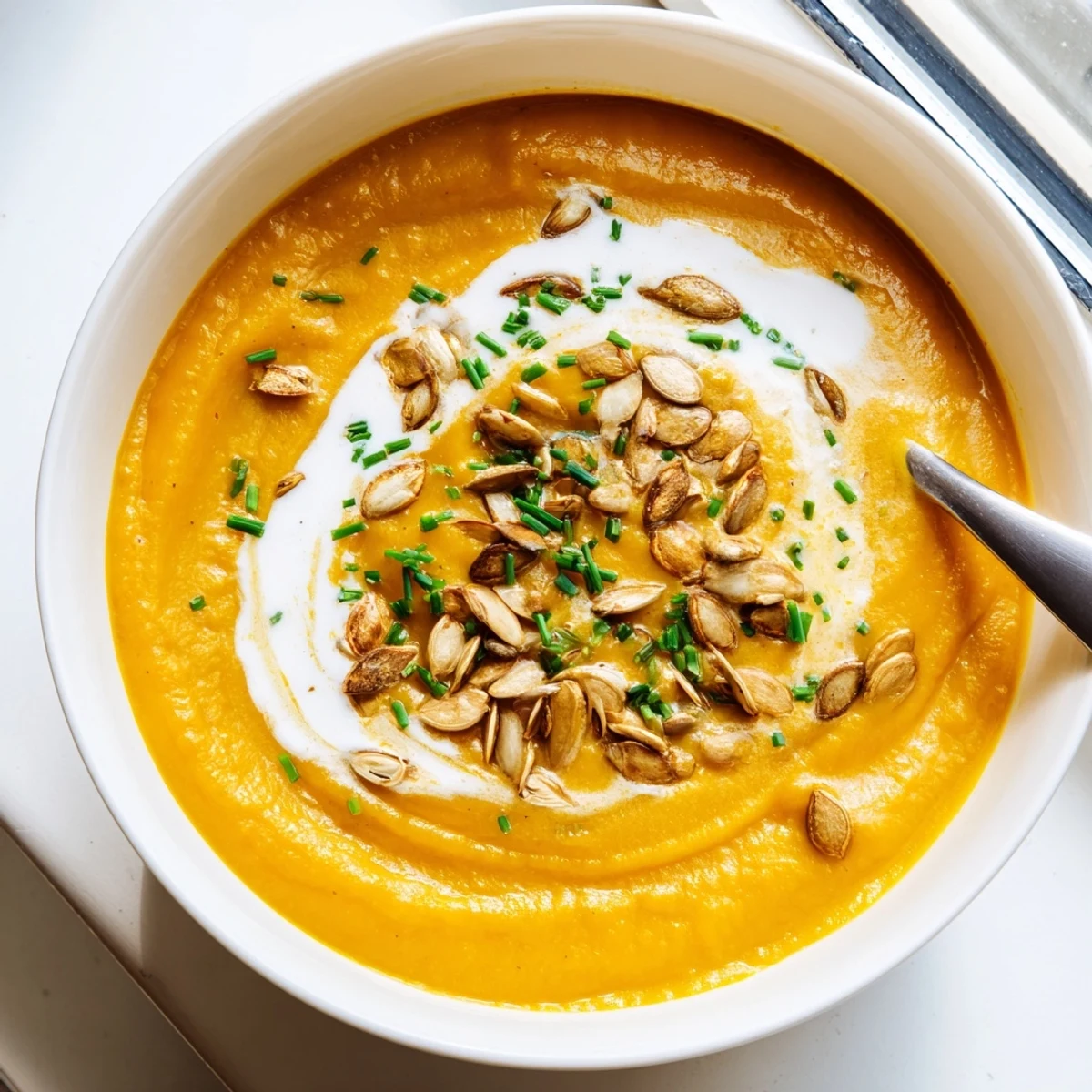
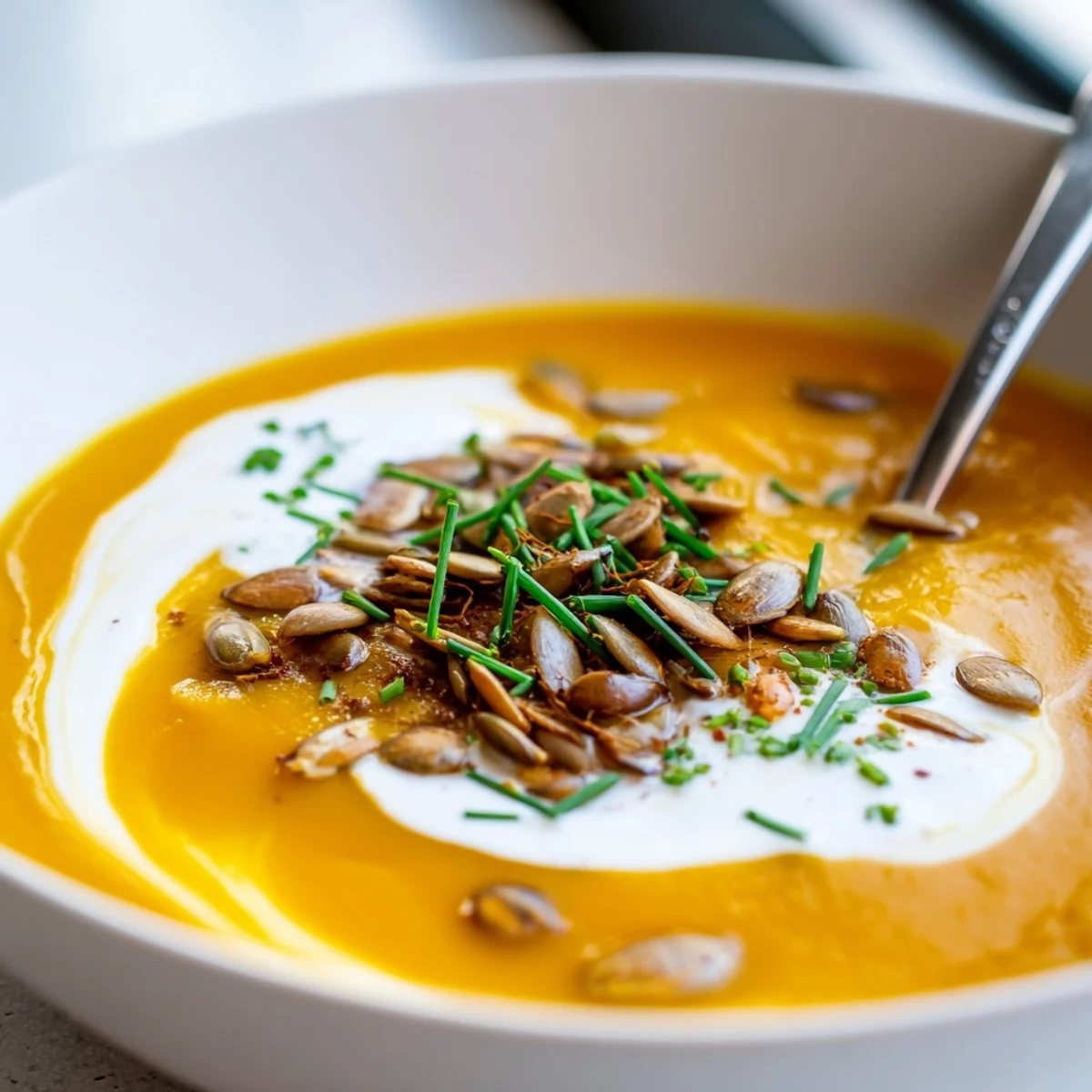
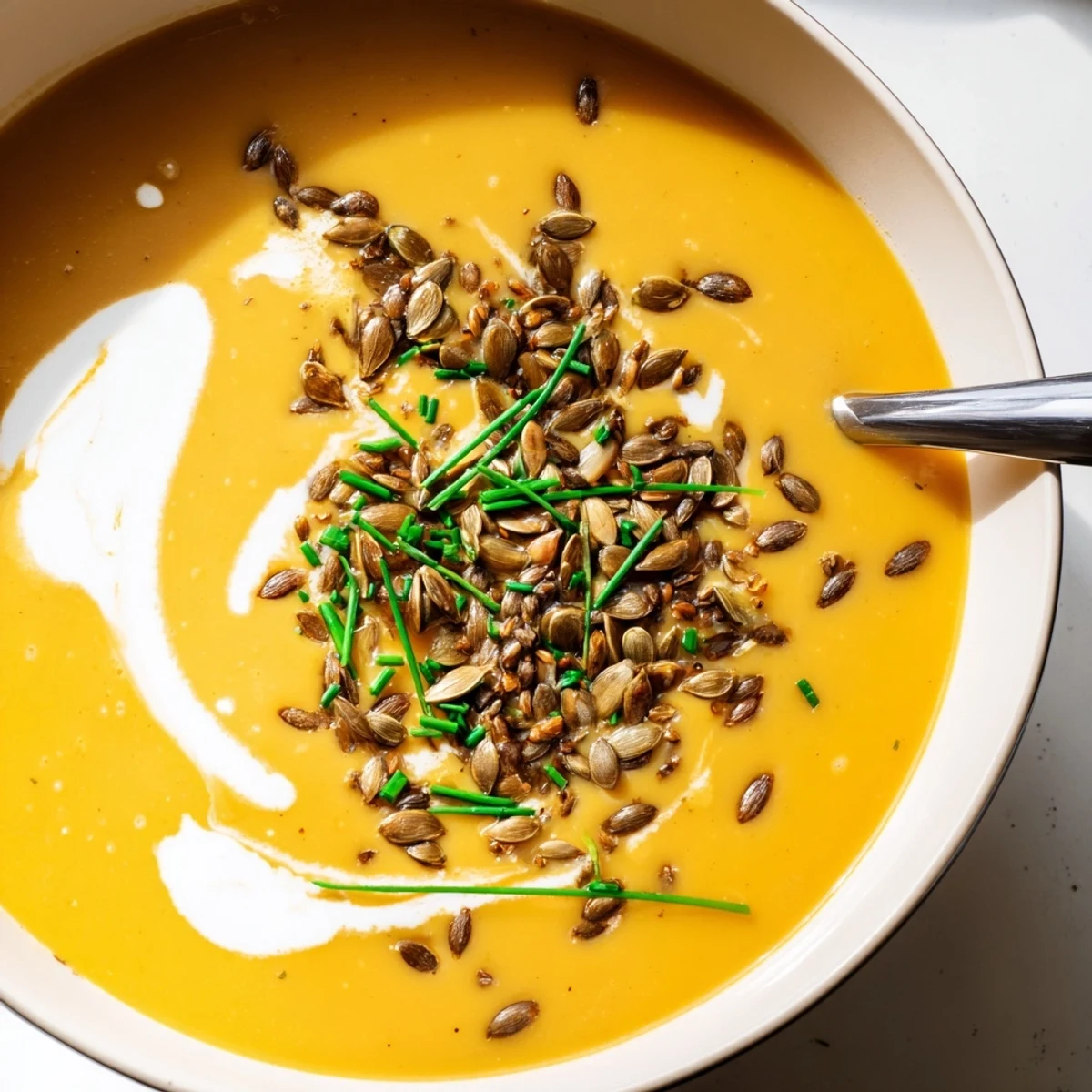
Save This smooth pumpkin soup features tender cubes simmered with aromatic spices like nutmeg and cumin. The mixture is blended to a velvety texture and enriched with cream or coconut milk for a luscious finish. Toasted pumpkin and sunflower seeds add a satisfying crunch and fresh herbs brighten each serving. Ideal for warming chilly days or impressing guests with simple elegance.
There's something about October that makes me crave this soup—I was visiting my aunt's farmhouse when she pulled a massive Hokkaido pumpkin from her garden and declared we were making soup for dinner. The whole kitchen filled with this warm, earthy smell as it simmered, and I realized then that the best part wasn't just eating it, but watching how it turned simple vegetables into something silky and golden.
I made this for a dinner party last November, and my friend who usually skips soup actually asked for seconds. She mentioned later that it was the first time she'd understood why people got excited about pumpkin soup—turns out it was the seeds that did it, that little bit of texture breaking through the creaminess. It reminded me that sometimes the smallest details matter the most.
Ingredients
- Pumpkin (1 kg, peeled and cubed): Hokkaido or butternut work beautifully; the key is choosing one that's fresh and dense, not watery. I've learned that a good pumpkin should feel heavy for its size.
- Onion and carrot: They're your flavor foundation, so don't rush sautéing them until they're truly soft and starting to caramelize at the edges.
- Garlic (2 cloves, minced): Just a minute of cooking is enough—any longer and it turns bitter and loses that bright, punchy flavor.
- Vegetable broth (750 ml): Use good quality broth because it's the backbone of the soup; I can tell the difference between grocery store and homemade versions immediately.
- Heavy cream (200 ml): This is what makes it velvety, though coconut milk works just as well if you're keeping it dairy-free.
- Nutmeg and cumin: These spices were made for pumpkin; ground nutmeg is warm and slightly sweet, while cumin adds an earthy undertone that keeps the soup from feeling one-dimensional.
- Chili flakes (optional): A tiny pinch adds a gentle warmth and makes people wonder what they're tasting without knowing exactly why.
- Pumpkin and sunflower seeds: Toasting them yourself makes all the difference—the kitchen smells incredible, and they become golden and nutty instead of bland.
- Fresh chives or parsley: The brightness of fresh herbs cuts through the richness and adds a final touch of life to the bowl.
Instructions
- Start with the aromatics:
- Heat your olive oil until it shimmers, then add the chopped onion and carrot. Let them soften together for about 4-5 minutes, stirring every so often—you're looking for them to turn translucent and slightly golden at the edges. This base flavor is what makes the whole soup sing.
- Wake up the garlic:
- Once the onion is soft, add your minced garlic and let it cook for just a minute. You'll know it's ready when your kitchen smells incredible and the raw edge is gone.
- Introduce the pumpkin:
- Stir in the pumpkin cubes along with the nutmeg, cumin, and chili flakes if you're using them. Let everything cook together for 2-3 minutes so the spices wake up and coat all the vegetables.
- Simmer gently:
- Pour in the vegetable broth and bring it to a boil, then lower the heat, cover the pot, and let it simmer for 20-25 minutes. The pumpkin and carrots should be so tender they fall apart when you touch them with a spoon.
- Toast the seeds:
- While everything simmers, put the pumpkin and sunflower seeds in a dry skillet over medium heat and stir them often for 3-5 minutes until they're golden and smell toasty. This happens faster than you'd think, so don't walk away.
- Blend until silky:
- Once the vegetables are soft, use an immersion blender to puree the soup right in the pot, moving it around until there are no chunks left and everything is completely smooth. If you don't have an immersion blender, carefully transfer the soup in batches to a regular blender and blend, then pour it back into the pot.
- Finish with cream:
- Stir in the cream (or coconut milk if that's what you're using), and gently reheat if needed—you're not trying to boil it, just warm it through so the flavors marry together.
- Season and serve:
- Taste and add salt and pepper until it tastes right to you. Ladle into bowls and top each one with those toasted seeds and a sprinkle of fresh herbs.
 Save
Save My most memorable moment with this soup was when my neighbor, who'd been feeling under the weather, came over while I was making it. I gave her a bowl, and she teared up a little—not because it was fancy, but because it was warm and gentle and exactly what she needed that day. That's when I realized this recipe is bigger than just ingredients.
Choosing Your Pumpkin
Not all pumpkins are created equal, and using the right one changes everything. Hokkaido pumpkins are smaller, denser, and naturally sweeter than the large carving kind—they cook faster and taste better. Butternut squash is an excellent substitute if you can't find Hokkaido, though it's technically not a pumpkin and tends to be slightly more watery. I've made this with regular pie pumpkins before, and while they work, the flavor is more muted and the texture less luxurious.
Texture and Creaminess
The secret to this soup's silky texture isn't just the cream—it's cooking the vegetables long enough that they break down completely, then blending thoroughly until there's not a single lump. I once tried to rush this and ended up with a grainy soup that no amount of cream could save. The other thing I've discovered is that some people prefer it thicker, some thinner; you can adjust by adding more broth if it's too thick, or simmering uncovered if it's too thin.
Flavor Building and Variations
This soup is really forgiving, and you can push it in different directions depending on what you have or what mood you're in. Adding a splash of apple cider vinegar at the end brightens it up, a pinch of sage brings an earthy herbiness, and a drizzle of truffle oil makes it feel luxurious. The base stays the same, but these little additions are fun to experiment with.
- For a vegan version, swap the heavy cream for coconut milk and taste as you go—coconut milk can sometimes overpower the pumpkin, so go easy at first.
- Serve it alongside crusty bread for dipping, or pair it with a grilled cheese sandwich if you want to make a whole meal of it.
- A dry Riesling or Chardonnay complements the soup's sweetness and spices beautifully if you're looking for a wine pairing.
 Save
Save This soup is the kind of food that brings people together without trying too hard. Make it when you need something warm, share it with someone you care about, and watch how something this simple becomes a moment worth remembering.
Recipe Questions
- → What type of pumpkin works best?
-
Hokkaido or butternut pumpkin varieties are ideal for their natural sweetness and smooth texture when cooked.
- → Can I use coconut milk instead of cream?
-
Yes, coconut milk provides a creamy consistency and is perfect for a dairy-free or vegan alternative.
- → How do I toast the seeds evenly?
-
Toast pumpkin and sunflower seeds in a dry skillet over medium heat, stirring frequently until golden and fragrant, about 3-5 minutes.
- → What spices enhance the flavor?
-
Nutmeg, cumin, and optional chili flakes complement the pumpkin’s sweetness and add warmth and depth.
- → How can I adjust the soup’s texture?
-
Blend until completely smooth for a velvety result, or leave slightly chunky for more rustic texture.
- → Are there suggested pairings for this dish?
-
This soup pairs well with crusty bread, grilled cheese sandwiches, or a dry Riesling or Chardonnay wine.