
 Save
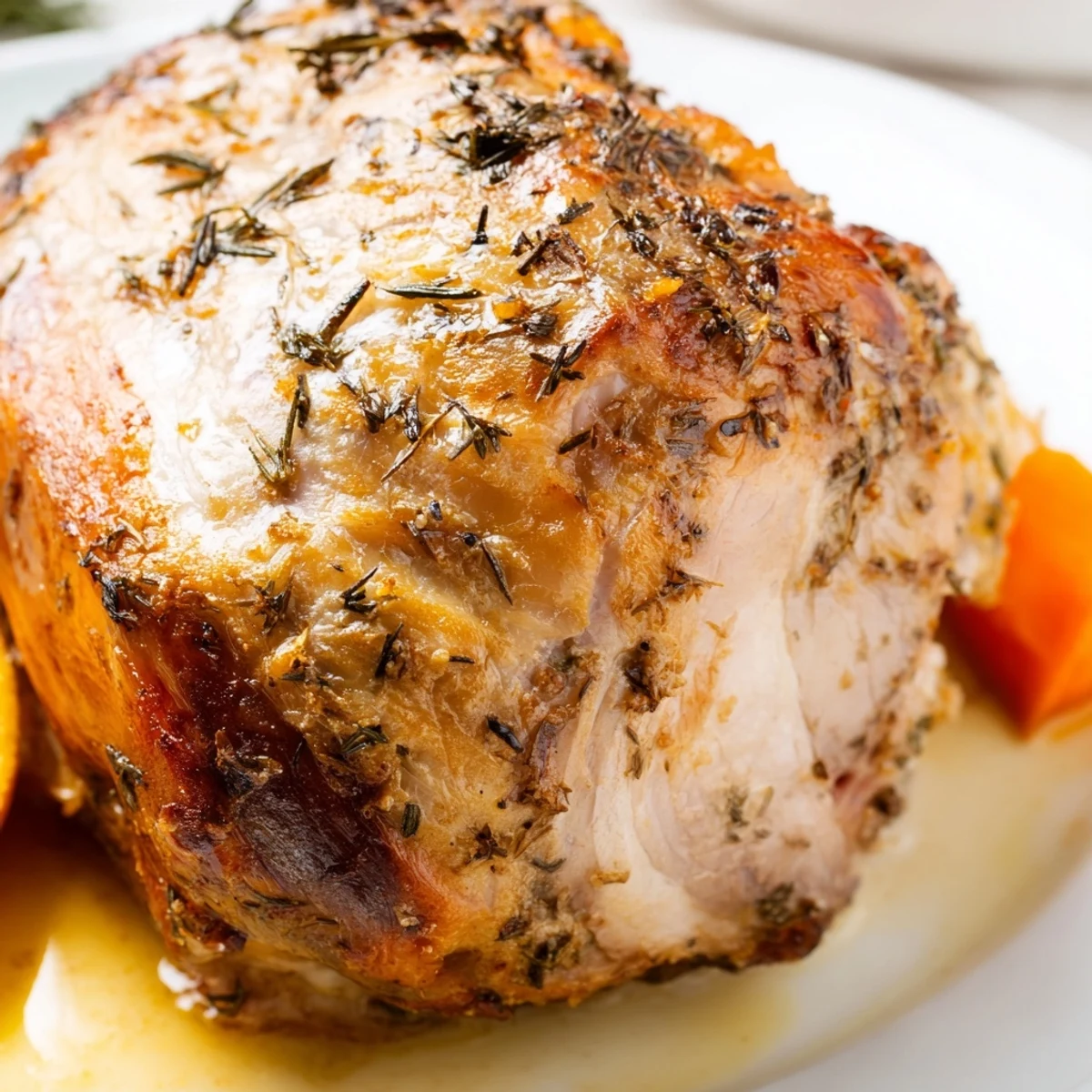
Save This pan-roasted turkey breast is seasoned with a blend of thyme, rosemary, paprika, and black pepper, then placed atop a bed of aromatic vegetables including carrots, celery, onions, and garlic. A splash of broth and melted butter keeps the meat juicy while roasting at 375°F for about 1 hour and 40 minutes. Resting before slicing allows the flavors to settle, offering a moist, golden-brown centerpiece that pairs beautifully with roasted pan juices and simple sides.
My sister called on a Tuesday afternoon, panicked about hosting Thanksgiving that year, and I found myself driving to her place with nothing but confidence and a turkey breast from the farmer's market. By the time her family arrived, the kitchen smelled like roasted herbs and caramelized vegetables, and everyone forgot to ask where the traditional whole bird was. That pan roast became the thing they actually remember—golden skin, vegetables that tasted like pure comfort, and a meal that proved you don't need complexity to create something memorable.
The first time I made this for a casual weeknight dinner with friends, I realized I'd been overthinking turkey all along. Everyone showed up expecting something fussy, but instead found themselves reaching for thirds of vegetables and arguing over who got the crispiest skin pieces. One friend asked if I'd been secretly trained as a chef; I just laughed and said the oven did most of the work while we sat and talked.
Ingredients
- Bone-in turkey breast (4-5 lb): The bone keeps everything moist and adds deep flavor to your pan juices—this is non-negotiable if you want restaurant-quality results.
- Olive oil: High-quality matters here since it's the main fat touching the skin; don't skip this step.
- Kosher salt, black pepper, dried thyme, dried rosemary, paprika: These aromatics create a crust that's somehow both herbaceous and savory without any fussiness.
- Carrots, celery, onions, garlic: These aren't just flavor builders—they become caramelized gems that you'll want to eat alongside the turkey.
- Low-sodium broth: Use chicken or turkey; low-sodium lets you control the final salt level and prevents the pan from tasting one-note.
- Unsalted butter and lemon slices: The butter adds richness to the skin while lemon keeps everything bright and prevents any heaviness.
Instructions
- Get your oven ready and prep the turkey:
- Preheat to 375°F and pat the turkey completely dry—this is the secret to crispy skin. The drier it is, the better it crisps up.
- Season generously and build flavor:
- Rub the turkey all over with olive oil and coat it evenly with salt, pepper, thyme, rosemary, and paprika. Don't be shy; this is your only chance to season the meat properly.
- Create an aromatic bed:
- Scatter carrots, celery, onions, garlic, and lemon slices across a large roasting pan in an even layer. This becomes your flavor foundation.
- Position the star:
- Set the seasoned turkey skin-side up directly on the vegetables. The turkey will rest on this bed and the vegetables will soften beneath it.
- Add liquid without ruining the skin:
- Pour broth carefully around the sides of the pan, avoiding the turkey skin—wet skin won't crisp. About an inch of liquid in the bottom is perfect.
- Add butter and begin roasting:
- Drizzle melted butter over the turkey skin and slide the whole pan into the oven. No cover yet; we want that skin to develop color.
- Roast until golden and cooked through:
- Roast for 1 hour 30–40 minutes until the thickest part of the breast reaches 165°F when you check with a meat thermometer. If the skin browns too quickly (it shouldn't), tent loosely with foil for the last 15 minutes.
- Rest and serve:
- Let the turkey rest for 15 minutes before slicing—this keeps all the juices locked inside. Serve with the roasted vegetables and pan juices spooned over everything.
 Save
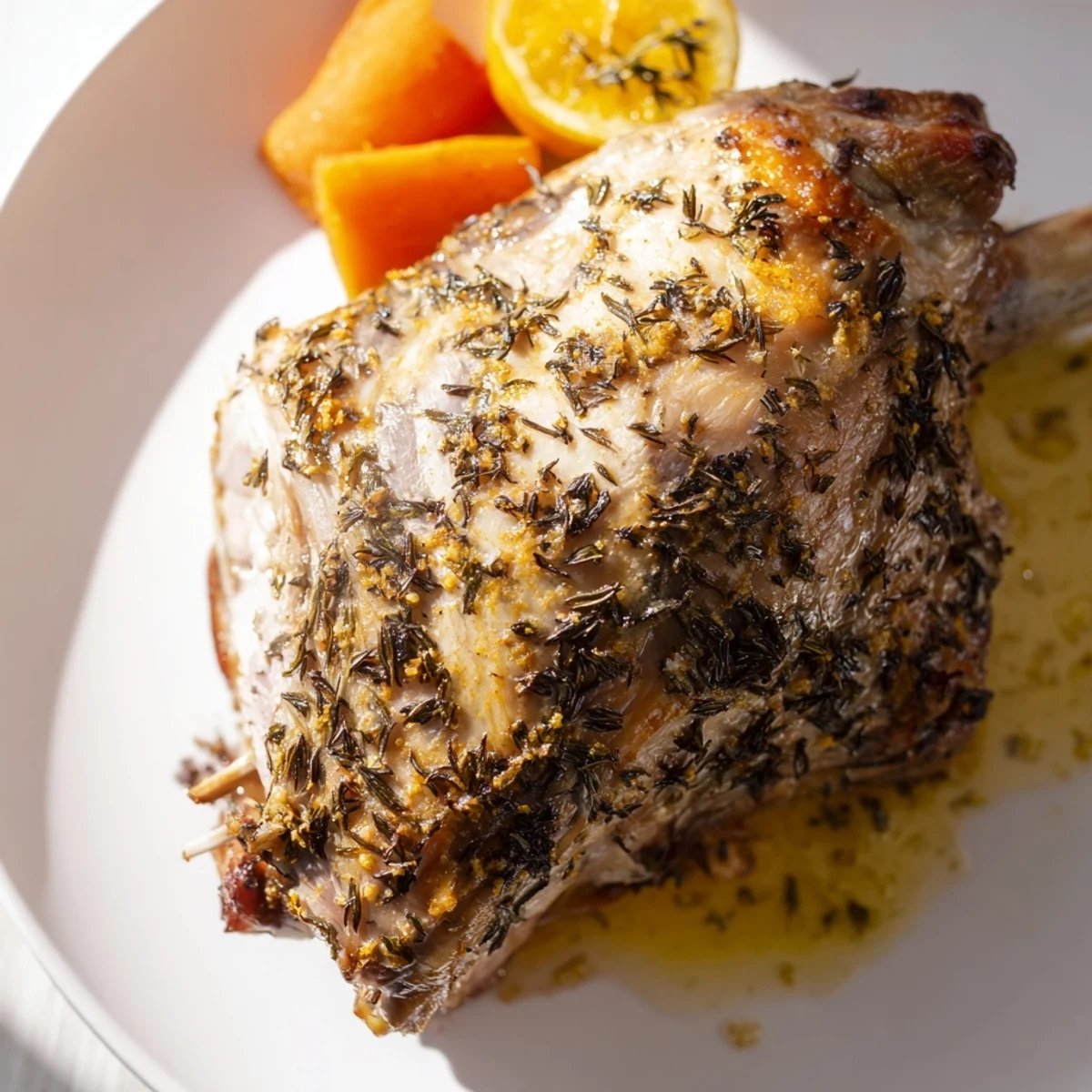
Save There's a moment when you pull the pan from the oven and the golden turkey is sitting there with its bed of caramelized vegetables, and the kitchen smells like nothing else in the world, that you realize why people fuss over this meal. It stopped being about tradition and became about the actual magic of heat and time and good ingredients working together.
The Secret to Crispy Turkey Skin
Everyone thinks you need a special technique or magic oil, but the truth is mundane and wonderful: dry skin, hot oven, and patience. I learned this by accident when I forgot to cover the turkey one year and instead of being annoyed, I ended up with the crispiest skin of my life. Now I never cover it unless the browning gets ahead of the cooking.
Why the Vegetables Matter
These aren't side dishes—they're flavor conductors that catch all the turkey's drippings and transform into something that deserves its own plate. Carrots turn almost sweet, celery becomes tender and savory, onions get caramelized and gentle, and garlic turns into spreadable gold. Your guests will eat these before they eat the turkey if you're not watching.
Timing and Temperature
The 375°F oven temperature is the sweet spot between cooking through and developing that beautiful golden-brown exterior without drying out the meat. Every oven runs a little different, so a thermometer isn't just helpful—it's your insurance policy against the one thing no one wants: dry turkey.
- Start checking the internal temperature around the 1 hour 20 minute mark to avoid overcooking.
- If your oven runs hot, cover loosely with foil after the skin reaches golden brown and the skin is already set.
- Let the rested turkey sit on a cutting board for its full 15 minutes; the carryover heat will finish any cooler parts.
 Save
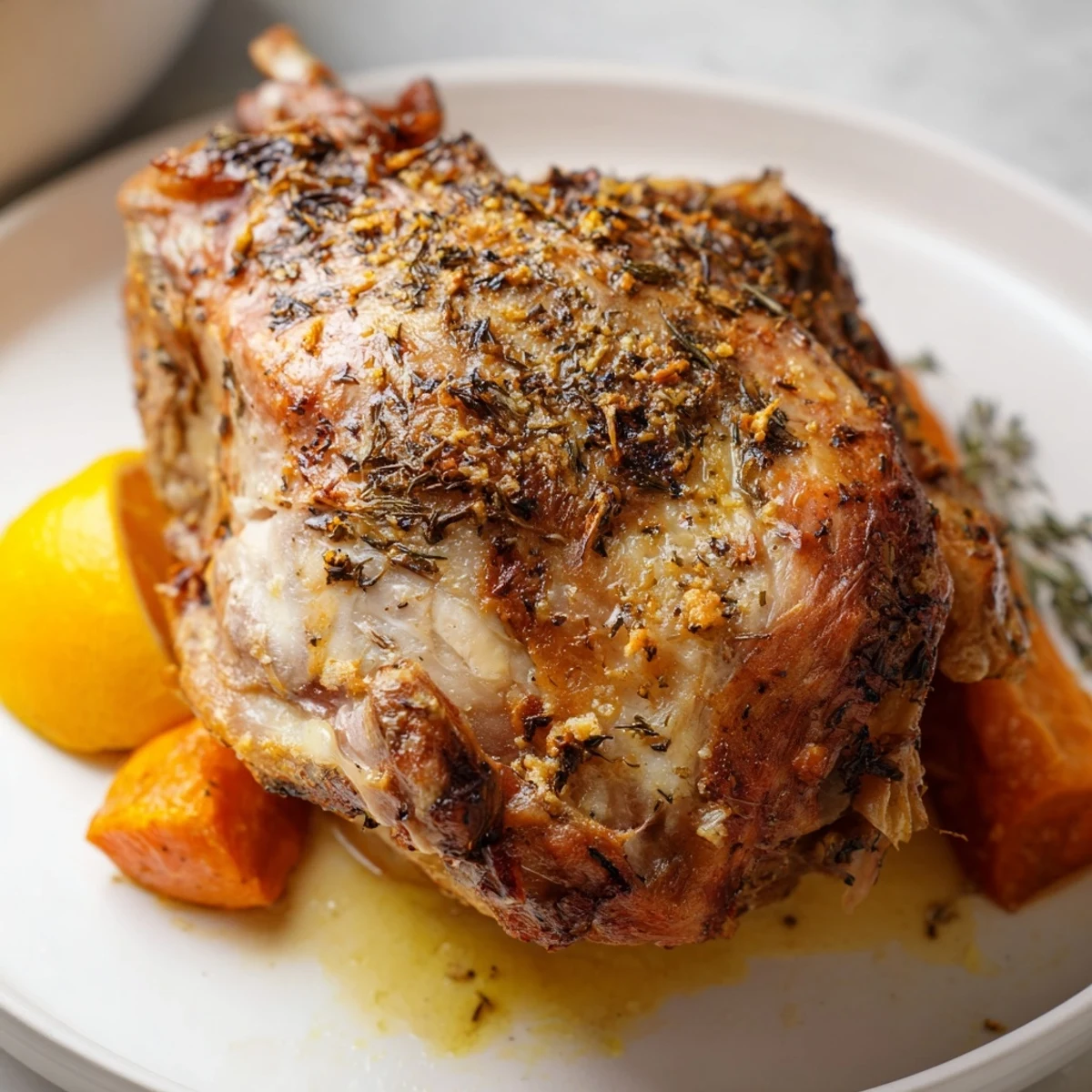
Save This turkey pan roast turned into my shortcut to impressive meals, the thing I make when I want everyone to feel cared for without spending the whole day in the kitchen. It's become a quiet favorite, the kind of dish people ask for specifically instead of the flashier options.
Recipe Questions
- → What is the ideal internal temperature for the turkey breast?
-
The turkey breast should reach 165°F (74°C) at its thickest part to ensure it is safely cooked and juicy.
- → Can I substitute the vegetables used in the pan?
-
Yes, while carrots, celery, onions, and garlic build great flavor, feel free to add or swap seasonal vegetables to your preference.
- → How do I prevent the turkey skin from burning?
-
If the skin browns too quickly, tent the breast loosely with foil partway through roasting to protect it.
- → Is it necessary to use both broth and melted butter?
-
Broth adds moisture to the pan, while melted butter drizzled over the turkey helps achieve a crisp, flavorful skin.
- → What can I use if I want to make this dairy-free?
-
Substitute olive oil for the melted butter to keep the dish dairy-free without sacrificing richness.