
 Save
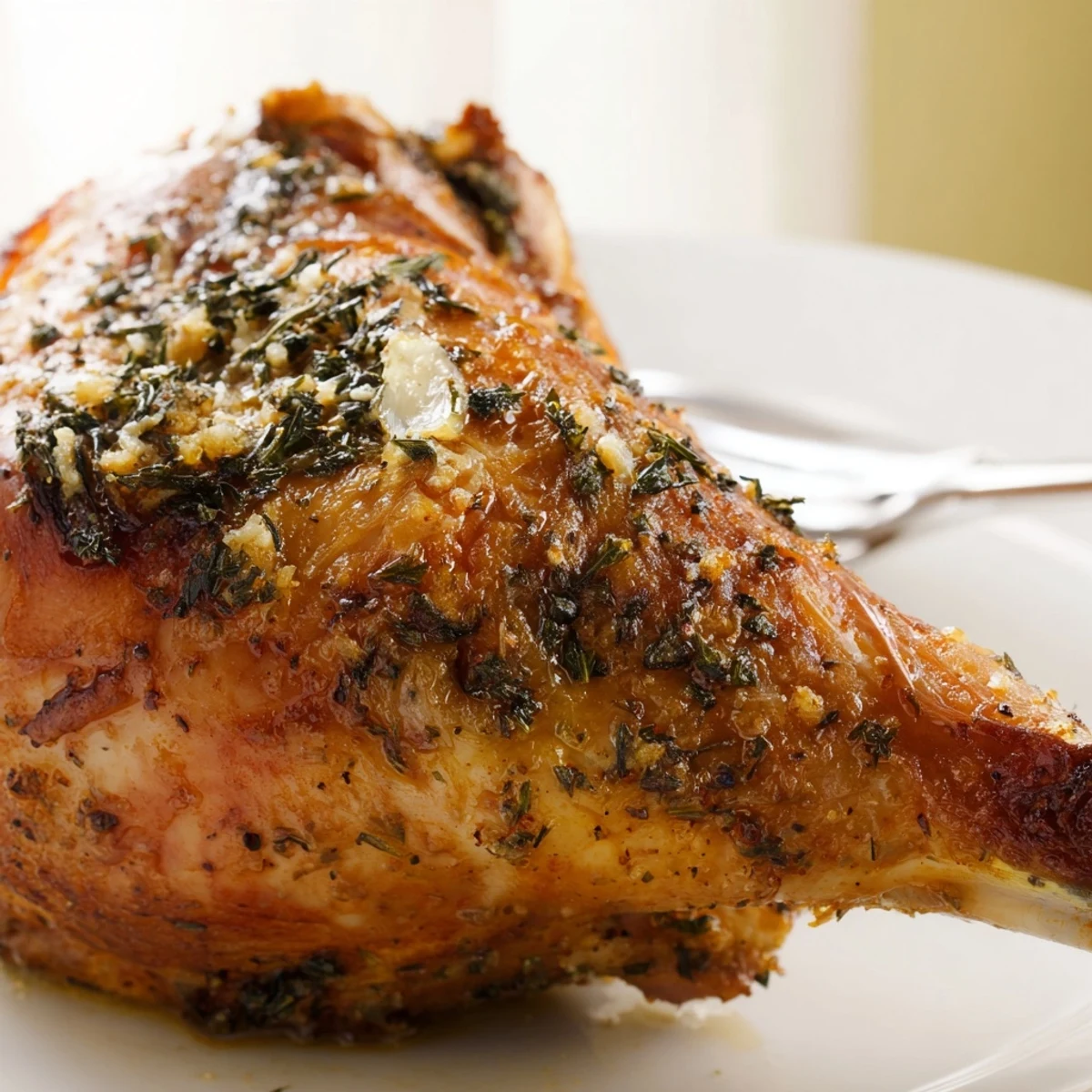
Save Slow roasting turkey legs with a marinade of fresh sage, garlic, lemon, and butter creates tender, aromatic meat that falls off the bone. Roasted over a bed of onions, carrots, and celery, the flavors meld perfectly during the long cooking time. A final high-heat roast crisps the skin for a satisfying texture. Ideal for cozy gatherings, this dish is gluten-free and pairs well with mashed potatoes or roasted root vegetables. Resting before serving ensures juicy, flavorful results.
There's something about the smell of sage and lemon filling the kitchen that makes everything slow down. Years ago, I'd watch my neighbor pull perfectly bronzed turkey legs from the oven during the cooler months, and the aroma would drift through our shared wall. I finally asked for her secrets, and what she shared was beautifully simple: low heat, patience, and enough sage to make the whole house smell like you've been cooking for hours. Now this dish has become my go-to when I want something that feels special without the stress.
I remember serving this to friends on a chilly Saturday evening, and watching their faces when they realized how flavorful it was without being fussy. Someone asked if I'd been cooking all day, and I got to smile knowing it was mostly just the oven doing the work while we'd been playing board games in the living room. That's when I knew this recipe had earned its place in regular rotation.
Ingredients
- Turkey legs (4, about 300g each, skin on): The skin is where the magic happens—it crisps beautifully in that final blast of heat and keeps the meat underneath wonderfully juicy.
- Olive oil (2 tbsp) and unsalted butter (1 tbsp, melted): Together they create a rich base for the marinade that helps everything brown evenly and taste deeply savory.
- Fresh sage leaves (2 tbsp finely chopped, or 2 tsp dried): Fresh sage is noticeably more floral and bright, but dried works perfectly fine if that's what you have—don't stress about it.
- Garlic cloves (4, minced): Four cloves sounds modest, but slow roasting mellows them into sweet, almost caramel-like notes instead of sharp heat.
- Fresh lemon juice (1 tbsp) and lemon zest (1 tsp): The zest gives you that citrus brightness that cuts through the richness, while the juice balances all the savory elements.
- Salt (1 tsp) and freshly ground black pepper (½ tsp): Freshly ground pepper makes a genuine difference here since it's such a prominent flavor—pre-ground can taste a bit dusty by comparison.
- Onion, carrots, and celery (1 large onion, 2 carrots, 2 celery stalks, all sliced): These aren't just flavor builders—they create a natural bed that keeps the turkey elevated and lets steam circulate underneath.
- Chicken or turkey broth (1 cup): This keeps everything moist during that long, slow roast and becomes the base for your finishing sauce.
Instructions
- Set your oven low and steady:
- Preheat to 150°C (300°F). This low temperature is the whole point—it's what transforms the legs into something incredibly tender without drying them out.
- Build your flavor base:
- Whisk together the olive oil, melted butter, sage, minced garlic, lemon juice, zest, salt, and pepper in a small bowl. Taste a tiny bit on your finger—it should taste bold and herbaceous, almost salty, because it's going to season the turkey as it cooks.
- Coat the turkey generously:
- Pat the turkey legs completely dry with paper towels (this helps them brown better), then rub the marinade all over each leg, making sure to get under the skin where you can. Don't be shy—this is where the flavor lives.
- Arrange everything in the pan:
- Scatter your sliced onion, carrots, and celery across the bottom of a large roasting pan, then nestle the turkey legs on top. Pour the broth around the vegetables and turkey (not over the turkey itself, which would steam the skin). The vegetables cushion the meat and create flavor as they soften.
- Let time do the work:
- Cover the pan tightly with foil and roast for 2 hours. About halfway through, open it carefully (steam is hot), and spoon some of those collected pan juices back over the turkey legs. This keeps everything moist and deepens the flavor.
- Finish with a golden crust:
- Remove the foil, bump the oven to 200°C (400°F), and roast uncovered for 15 minutes until the skin turns golden and crispy. You'll hear it crackle slightly—that's how you know it's done right.
- Rest and serve:
- Pull it from the oven and let it sit for 5–10 minutes. This lets the juices redistribute through the meat so every bite is tender. Spoon some of those caramelized pan juices and soft vegetables over each portion.
 Save
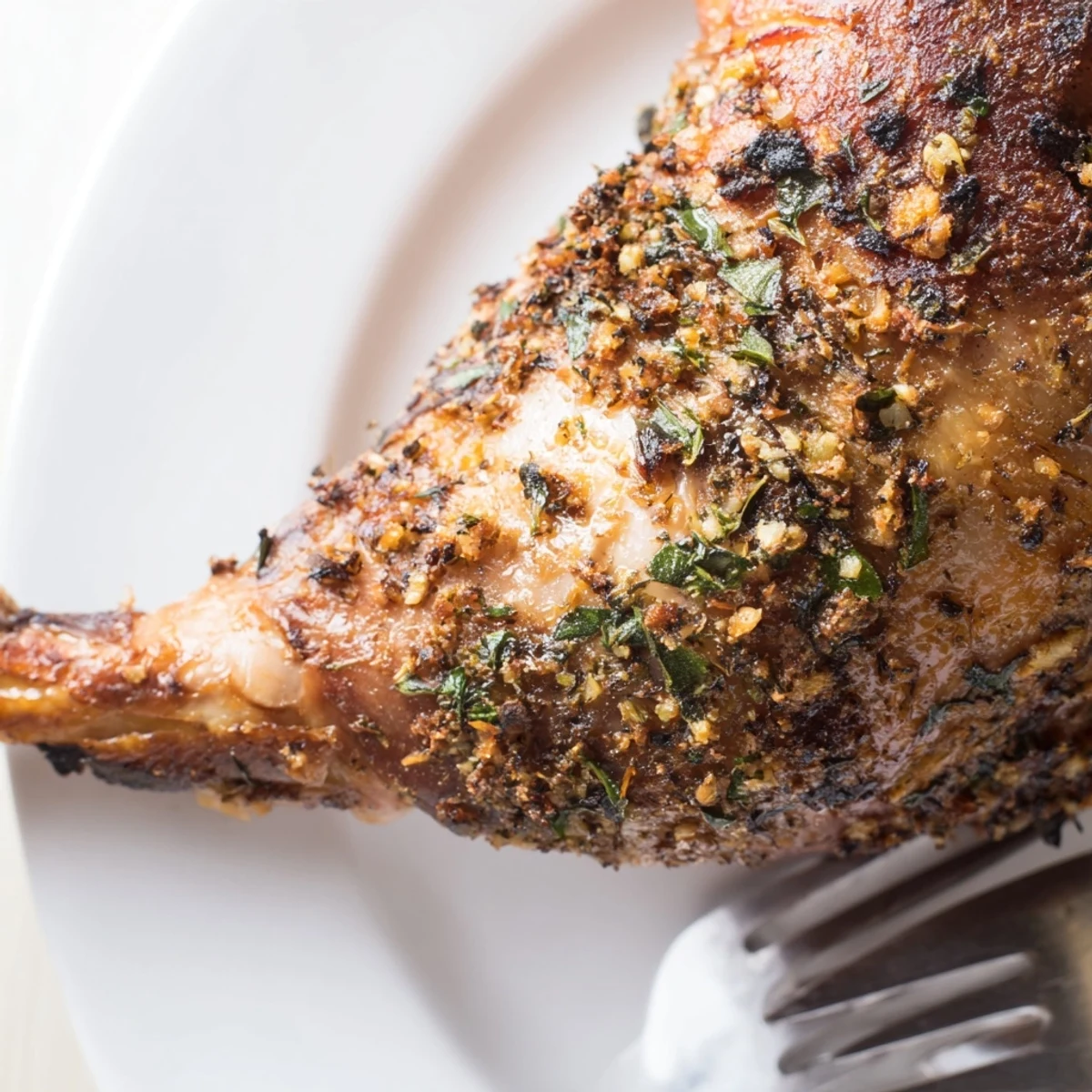
Save There's a moment toward the end of that final high-heat roast when the kitchen fills with a savory, almost nutty smell—that's when you know you've gotten it right. Pulling those golden legs from the oven and watching someone's first bite is worth every minute of waiting.
Why Low and Slow Wins
Turkey legs are lean and can turn tough if you're not careful, but that long, gentle roast at 150°C does something magical. The collagen in the skin and connective tissue has time to break down and turn into gelatin, which means the meat stays incredibly moist. The slow heat also lets all those sage and garlic flavors seep deep into the meat rather than just sitting on the surface. By the time you crank up the heat for those last 15 minutes, everything underneath is already perfect—the high heat just gives you that crispy, golden finish.
What to Serve Alongside
These turkey legs are rich and flavorful enough to stand on their own, but they're also the kind of dish that invites something comforting on the side. Creamy mashed potatoes are the obvious choice—they soak up those pan juices beautifully. Roasted root vegetables like parsnips, sweet potato, or regular potatoes bring earthiness that echoes the sage. A simple green salad with sharp vinaigrette cuts through the richness if you want something lighter, and honestly, crusty bread for soaking up every last drop of those pan juices is never a mistake.
Storing Leftovers and Making More
This is one of those dishes that actually improves the next day once all the flavors have had time to settle together. Store the cooled turkey legs and any leftover vegetables and pan juices in an airtight container in the fridge for up to three days, then gently reheat in a low oven so nothing dries out. If you want something different, shred the cold meat off the bones and pile it onto a sandwich with some of those soft roasted vegetables, or toss it into a salad with fresh herbs.
- For extra depth, add a sprig of fresh rosemary or thyme tucked among the vegetables before roasting.
- If your broth tastes weak or salty, taste it before using and adjust with a splash of water or a pinch of salt.
- Turkey legs freeze beautifully cooked—wrap them well and they'll keep for up to two months.
 Save
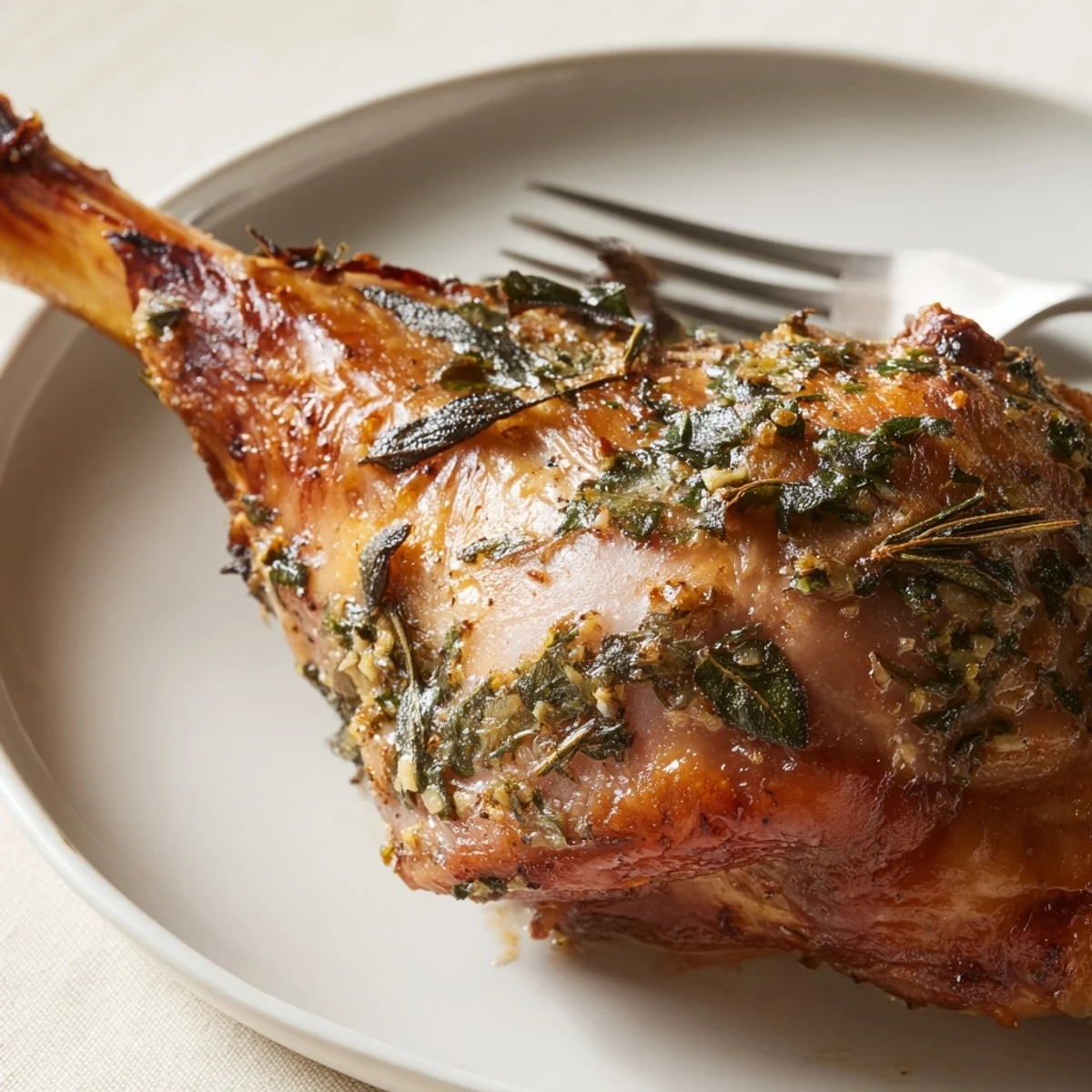
Save This recipe has a way of turning an ordinary evening into something that feels a little more intentional. There's something about food that's been tended to slowly that makes everyone gather a bit closer around the table.
Recipe Questions
- → How long should turkey legs be slow-roasted?
-
Around 2 hours covered at low heat, followed by 15 minutes uncovered at higher temperature to crisp the skin.
- → What herbs enhance the flavor of slow-roasted turkey legs?
-
Fresh sage is key, with optional rosemary or thyme added alongside vegetables for extra aroma.
- → Can I use dried sage instead of fresh?
-
Yes, use about 2 teaspoons of dried sage in place of fresh leaves; it will still infuse excellent flavor.
- → Why roast the turkey legs on sliced vegetables?
-
The vegetables add moisture and create flavorful pan juices while preventing the meat from sticking.
- → How should the turkey legs rest before serving?
-
Letting them rest 5–10 minutes allows juices to redistribute, keeping the meat moist and tender.