
 Save
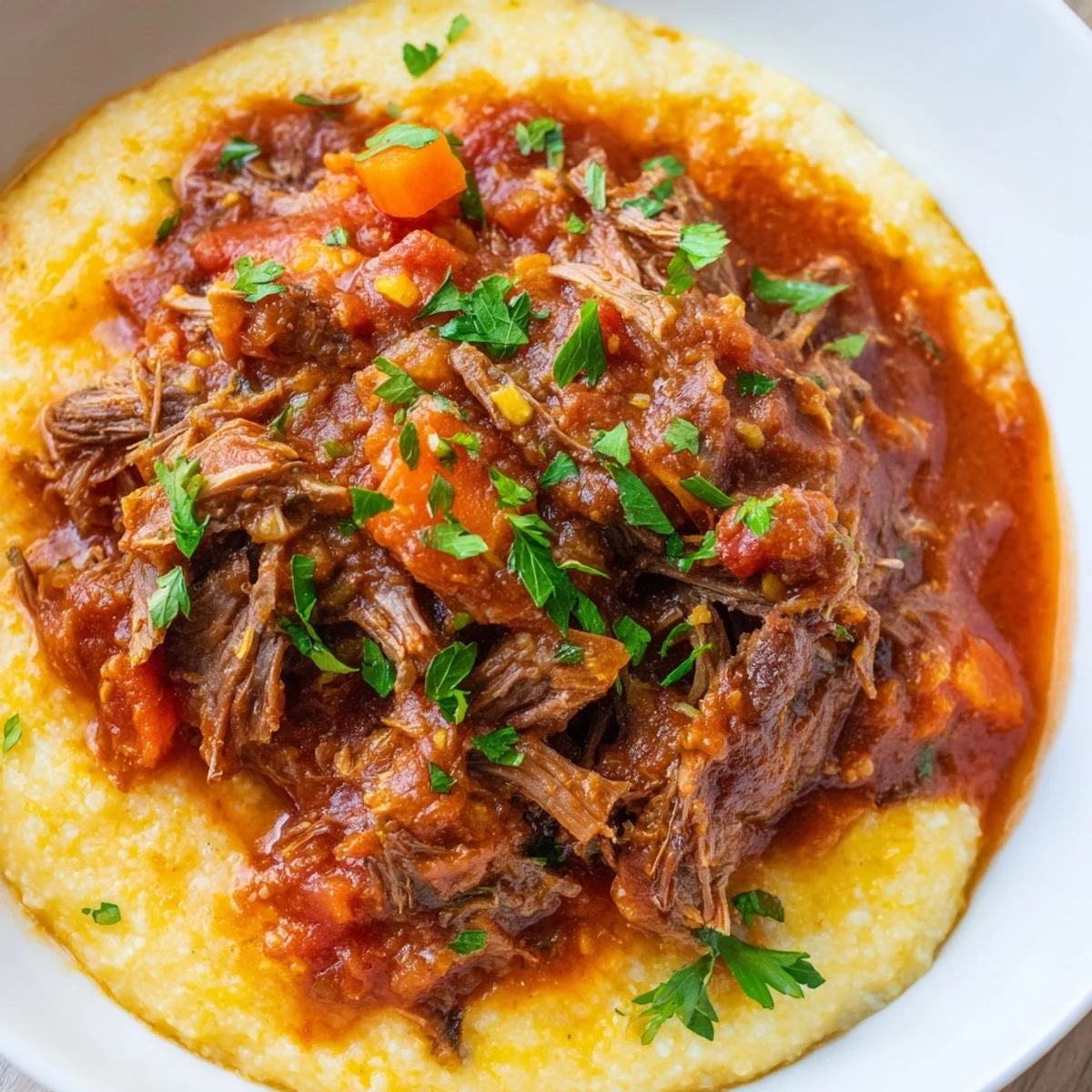
Save This dish features tender, slow-cooked beef chuck immersed in a rich, savory tomato sauce infused with garlic, herbs, and red wine. The beef is braised until fork-tender, then served over creamy polenta made with butter and Parmesan cheese for a smooth, velvety texture. Fresh herbs add bright notes, making it a comforting and flavorful Italian-style main perfect for family meals. Slow-cooking melds the ingredients into a hearty and satisfying dish with deep, robust flavors.
There's something about the smell of beef braising low and slow that makes a kitchen feel like home, even if you've only just arrived. I learned to make this ragu on a cold Sunday when my neighbor knocked on my door with a bag of vegetables from her garden and a question: could I actually make something this tender without hours of active cooking? By the time the slow cooker finished its work that evening, I understood why she'd asked, and why Italians have been perfecting this dish for centuries.
I made this for a dinner party once when I was nervous about impressing people I'd just met, and something magical happened: the sauce simmered quietly in the background while we talked and laughed, and when we finally sat down to eat, everyone slowed down between bites like they were savoring something that mattered. That's when I realized this dish isn't about being fancy, it's about being generous with time and heat.
Ingredients
- Beef chuck roast, 2 lbs, cut into large chunks: Chuck has enough fat and connective tissue to become silky after hours of cooking; this is where the magic happens, so don't skip to a leaner cut.
- Onion, garlic, carrots, and celery: This is your aromatic base, the foundation that builds flavor as everything melds together over time.
- Crushed tomatoes, 1 can (28 oz): Use whole peeled tomatoes crushed by hand if you can find them; they taste fresher than pre-crushed, though both work beautifully.
- Tomato paste, 2 tbsp: This concentrate deepens the sauce with umami, making every spoonful taste richer and more complex.
- Beef broth and dry red wine: The wine adds acidity and a subtle note that rounds out the richness; don't use anything you wouldn't drink yourself.
- Dried oregano and thyme, 2 tsp and 1 tsp: These herbs are hardy enough to hold their own during hours of cooking, unlike delicate fresh herbs.
- Bay leaves, 2: They disappear into the background but add a whisper of depth that ties everything together; remember to fish them out before serving.
- Olive oil, 2 tbsp: Good olive oil for searing makes a difference in how the beef browns and flavors the whole dish from the start.
- Cornmeal (polenta), 1 1/2 cups coarse: Coarse cornmeal has texture and won't turn into cement if you're patient with the stirring; it's worth seeking out.
- Butter and Parmesan cheese: These two finish the polenta with richness and salt, making it a worthy bed for all that gorgeous sauce.
Instructions
- Sear the beef until it's deeply browned:
- Heat olive oil until it shimmers, then add beef pieces in batches so they're not crowded; this takes patience but builds flavor you can taste later. You want a dark golden crust on all sides, which takes about 10-12 minutes total.
- Soften your vegetables gently:
- In the same skillet, let the onion, carrot, and celery sweat for a few minutes until they're soft at the edges, then add garlic just before they start to color. This step is quick but transforms raw vegetables into something that whispers rather than shouts.
- Build the sauce in the slow cooker:
- Combine crushed tomatoes, tomato paste, broth, wine, herbs, and spices, then nestle the beef and vegetables into all that liquid. Stir gently and cover, knowing that time will do almost all the work from here.
- Let it cook low and long:
- Eight hours on low gives the beef time to surrender completely and the sauce to develop layers of flavor; if you're in a hurry, four to five hours on high works, though you'll lose some of that deep complexity. The ragu is ready when the beef falls apart at the slightest pressure.
- Shred the beef and taste:
- Use two forks to break the meat into tender pieces right in the pot, then taste and adjust salt, pepper, or even a pinch of red pepper flakes. This moment is when you can make the sauce your own.
- Start the polenta about 45 minutes before serving:
- Bring water or broth to a rolling boil, then whisk in cornmeal very slowly to avoid lumps. Reduce heat to low and stir almost constantly for 30-40 minutes until it's thick and creamy, which is meditative work that fills your kitchen with buttery corn smell.
- Finish and serve:
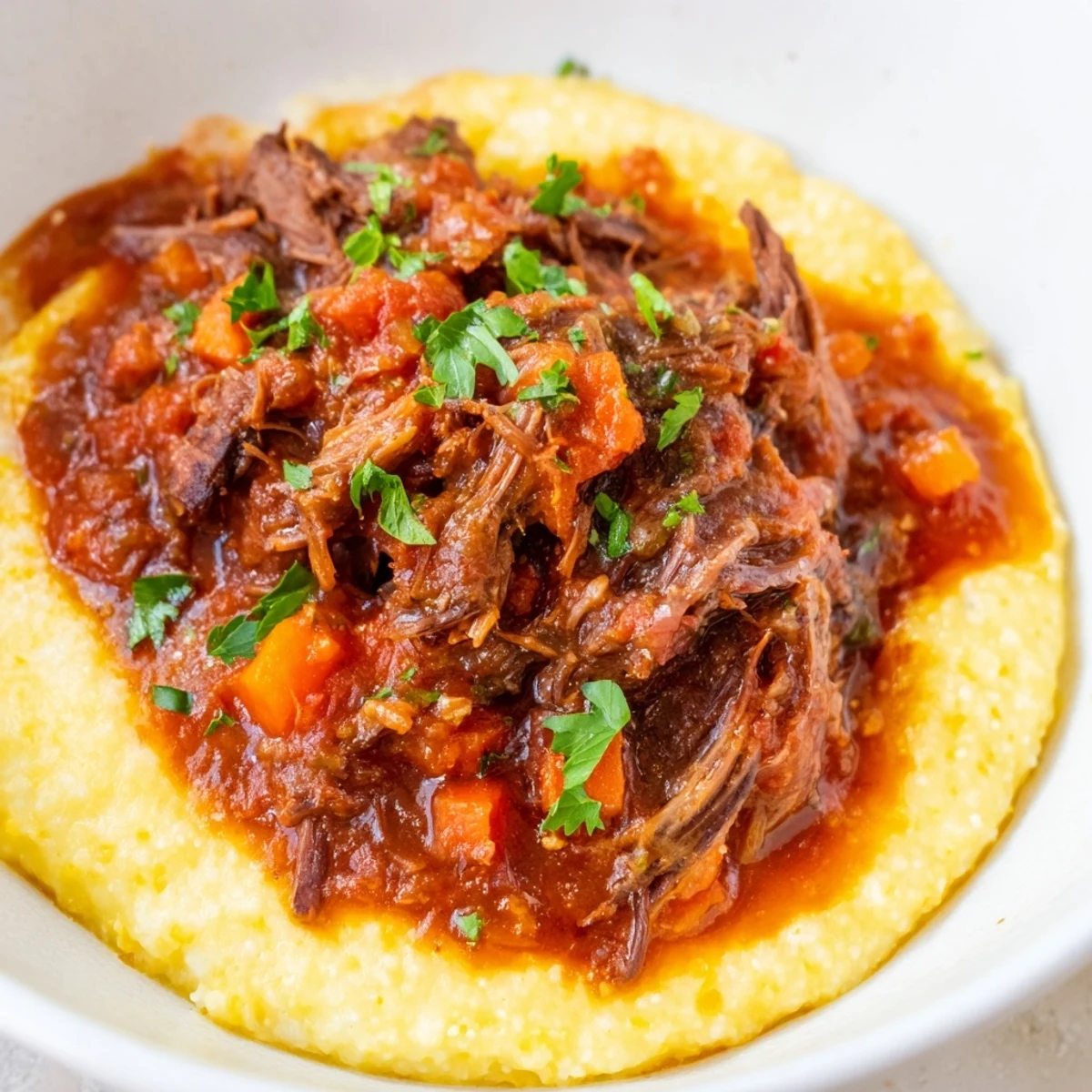
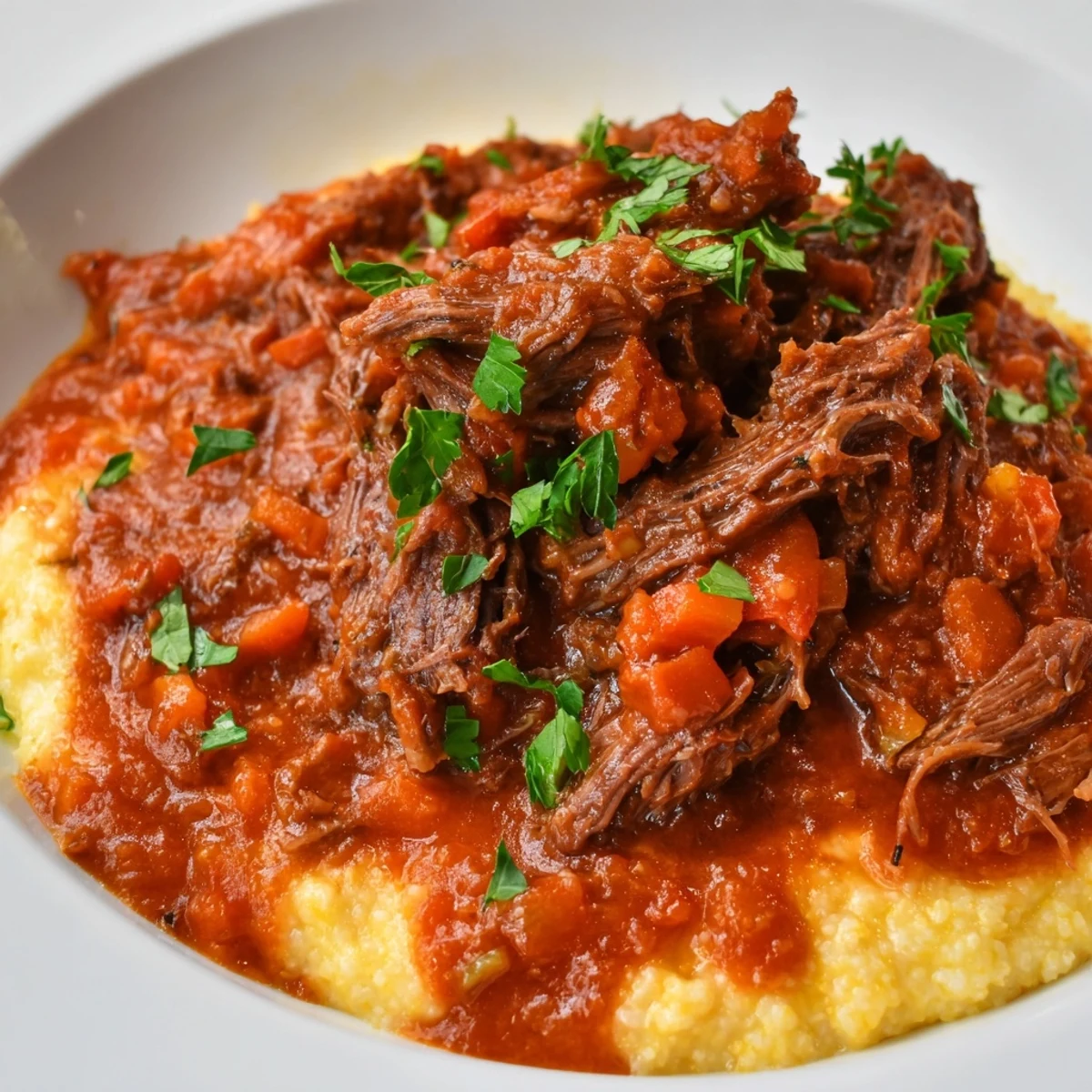
- Stir butter, Parmesan, and salt into the polenta until it's silky, then spoon the ragu generously over top and finish with fresh herbs and extra cheese. This is the moment when all those hours of patience pay off.
 Save
Save I once served this to my in-laws after months of worrying they'd think I was too ambitious, too inexperienced, and the moment my father-in-law asked for seconds with that genuine nod of appreciation, I understood what home cooking really means. It's not about perfection; it's about showing up with ingredients and time and letting them become something that brings people together.
Why Slow Cooking Is Worth Your Time
There's a particular kind of satisfaction in walking away from something and letting heat and time do the heavy lifting, especially when your kitchen smells like an Italian grandmother's kitchen by mid-afternoon. The slow cooker isn't just a time-saver; it's a flavor builder that turns tough cuts of meat into something tender enough to eat with a spoon, and it does that work while you live your day.
Polenta Secrets That Changed Everything
I used to think polenta was fussy and temperamental, until someone told me the trick is low heat, frequent stirring, and patience with the process instead of fighting it. Once you stop rushing polenta, it becomes something almost meditative, and the final result is so creamy and luxurious that it deserves every minute you spent standing there with a wooden spoon. It's the perfect canvas for a deep, rich sauce like this ragu, and it absorbs all those beautiful flavors while adding its own subtle sweetness.
Beyond This Recipe
This ragu is one of those dishes that improves with time and invites experimentation, so don't be afraid to adjust the herbs or add a splash of balsamic vinegar if you want more acidity and depth. Leftover ragu becomes lunch the next day with fresh pasta, or breakfast spread over creamy scrambled eggs, or dinner on crusty bread with a grind of black pepper and extra Parmesan. It's also forgiving enough to swap beef for turkey or a mix of beef and pork if that's what you're craving.
- A robust red wine like Chianti or Barbera pairs beautifully with this meal and can go into the pot or into your glass.
- Prep vegetables the morning of if you want to minimize noise and chaos on cooking day.
- Freeze leftover ragu in portions for nights when you want comfort food without the commitment.
 Save
Save This dish is proof that the best food doesn't require technique you don't have or ingredients you can't pronounce, just time and attention and a willingness to let heat transform simple things into something extraordinary. When you make this, you're not just cooking dinner; you're creating a moment worth lingering over.
Recipe Questions
- → What cut of beef works best for slow cooking?
-
Beef chuck roast is ideal for slow cooking, as its marbling breaks down to create tender, flavorful meat.
- → Can I prepare the polenta ahead of time?
-
Yes, polenta can be cooked in advance and gently reheated with added butter or broth to maintain creaminess.
- → How do herbs enhance the dish?
-
Dried oregano, thyme, and bay leaves infuse the sauce with aromatic, earthy flavors that complement the beef and tomatoes.
- → What is the purpose of adding red wine to the sauce?
-
Red wine adds depth and complexity, balancing the acidity of tomatoes and enriching the overall flavor.
- → Can this dish be adapted for a lighter version?
-
Yes, substituting leaner beef or turkey and reducing added fats can lighten the dish without losing flavor.