 Save
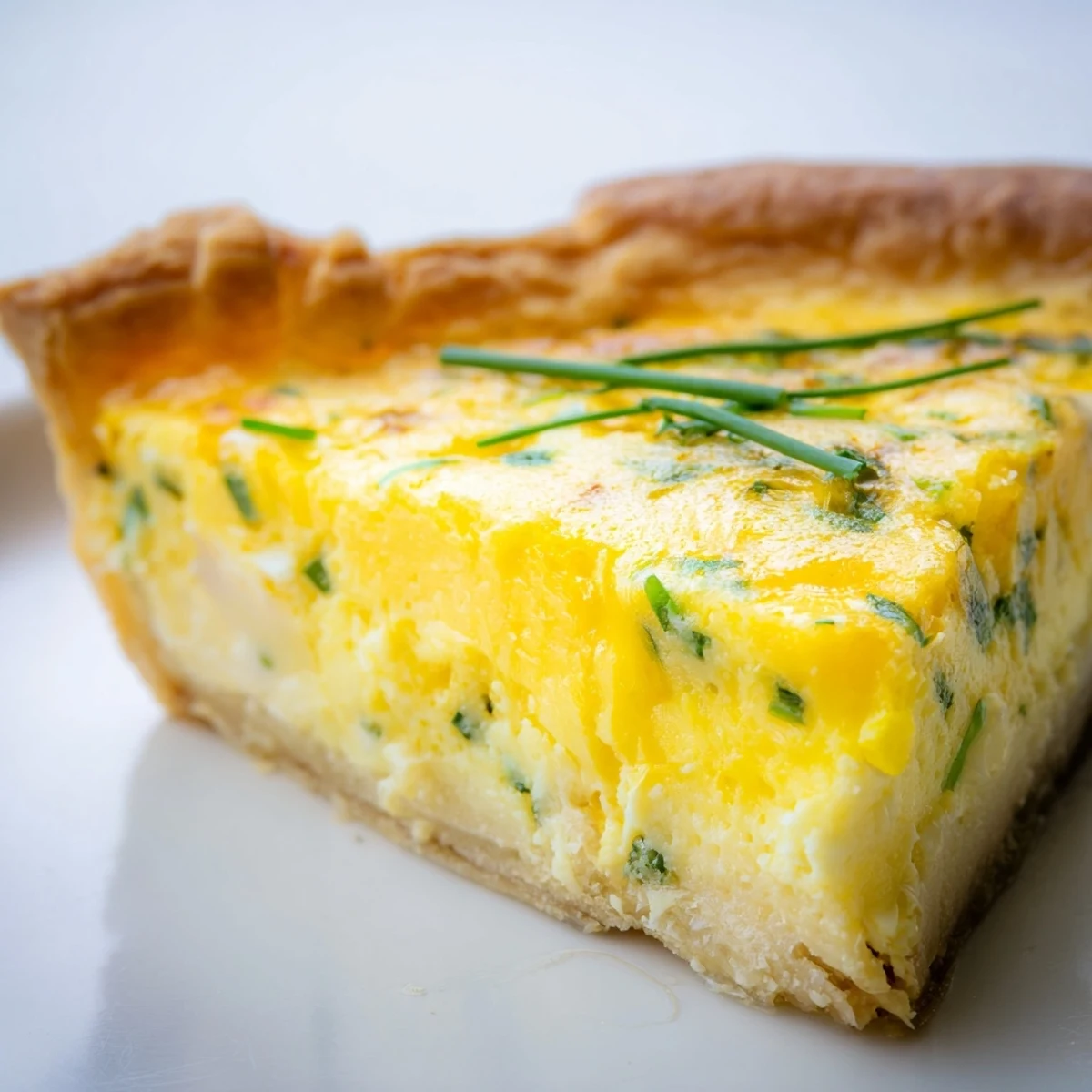
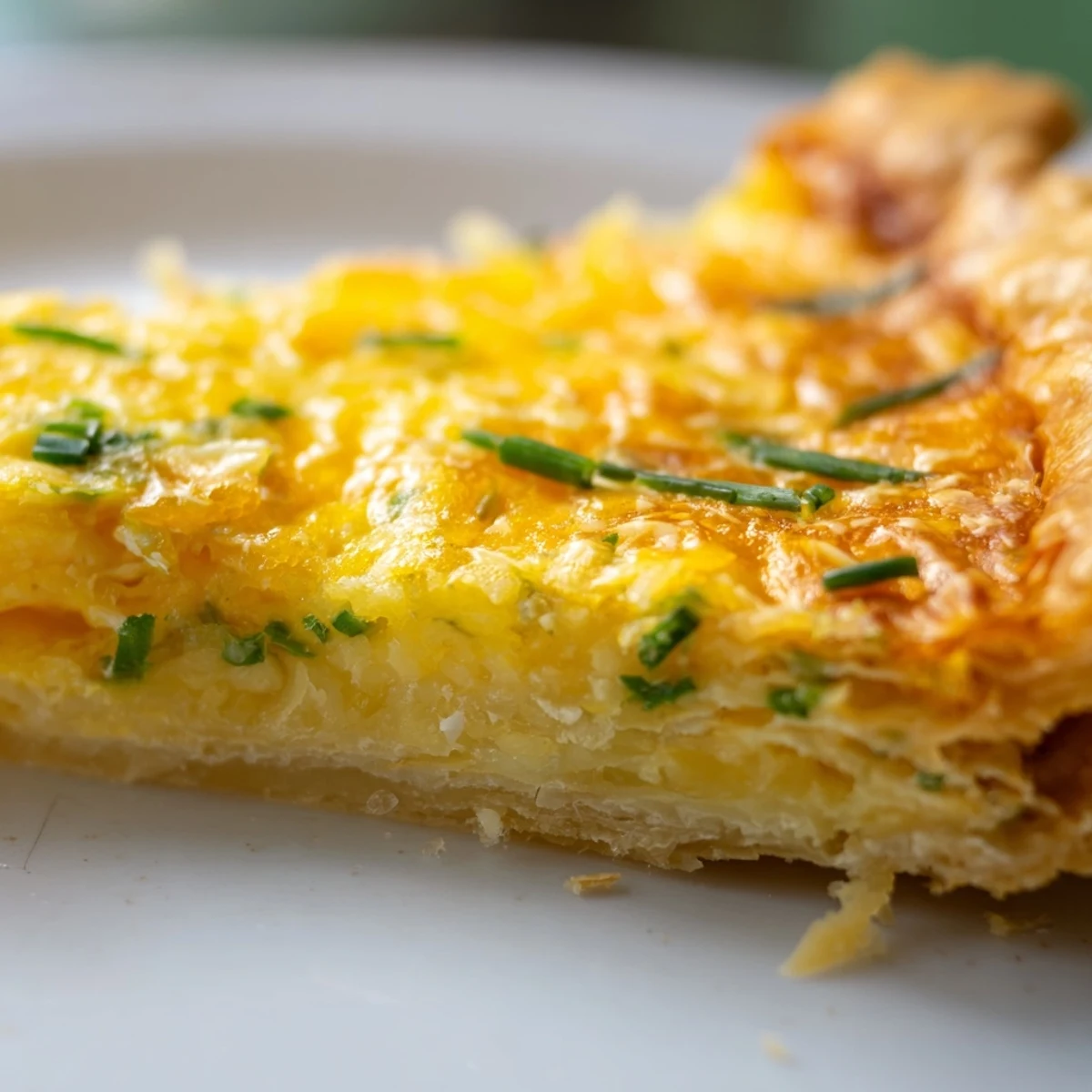
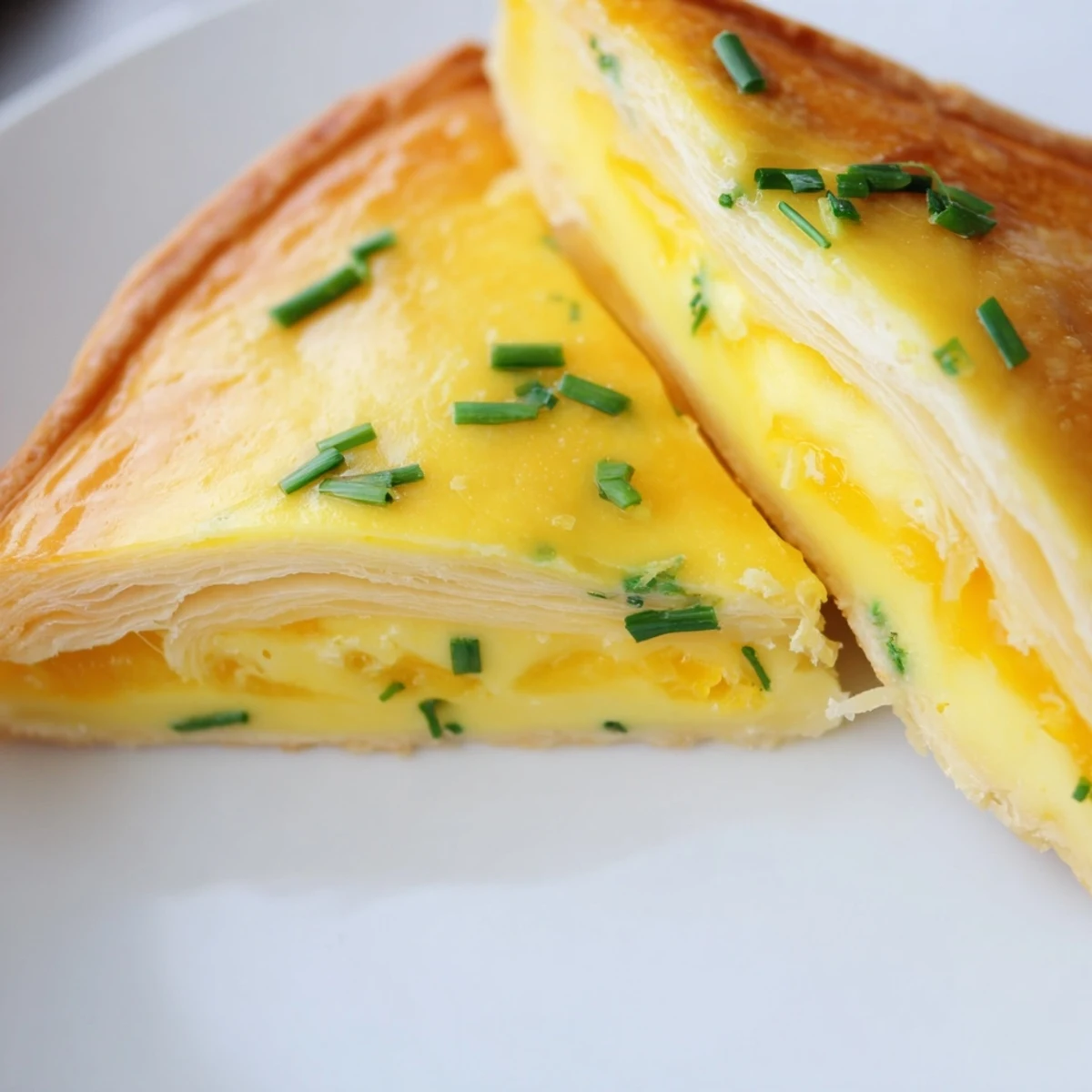
Save This savory tart features a crisp, buttery crust filled with a creamy custard combining Gruyère, Parmesan, eggs, and cream. A subtle mix of black pepper, nutmeg, and fresh chives add complexity and freshness. Baked to a golden finish, it offers a balanced texture and flavor that suits light lunches or elegant starters. Variations like sautéed onions or spinach enhance its taste, while pairing with a green salad and dry white wine elevates the experience.
There's something about the smell of butter and cheese mingling in a warm oven that makes you forget you're just making lunch. I discovered this tart years ago at a tiny café in Lyon, where the owner casually slid a golden wedge onto my plate as if she'd made it that morning just for me. The flaky crust gave way to this silky, herb-touched custard that tasted expensive and effortless at once. I've been chasing that feeling ever since.
I made this for a friend who'd just moved into her first apartment with a proper oven, and watching her face when she pulled it from the oven—golden, puffed slightly at the edges—made the whole thing worth it. She insisted on eating a slice warm with a glass of wine, standing at her kitchen counter surrounded by unpacked boxes, and that's when I knew she'd finally feel at home.
Ingredients
- All-purpose flour: The foundation for a tender, flaky crust; cold water helps keep it crisp and light.
- Unsalted butter, cold and cubed: The secret to a shatteringly delicate crust; keep it cold right up until it hits the dough.
- Salt: Just enough to enhance without overwhelming the buttery, delicate pastry.
- Gruyère cheese: The workhorse of French tarts; it melts smoothly and brings a subtle nuttiness that defines the dish.
- Parmesan cheese: Adds a sharper bite and helps the filling set with a gentle firmness.
- Eggs: The binding agent that transforms cream into a silky custard when baked.
- Heavy cream and whole milk: Cream alone can be too rich; milk lightens it and keeps the texture tender.
- Ground black pepper and nutmeg: A whisper of spice that makes people wonder what you've done to make it taste so complete.
- Fresh chives: Optional but worth it; they add a gentle onion note that keeps the filling interesting.
Instructions
- Make the crust:
- Combine flour and salt, then work in cold butter with your fingertips until it looks like coarse breadcrumbs—this rough texture is what gives you layers. Add cold water slowly, stirring until the dough just holds together; overworking it makes it tough.
- Rest and roll:
- Shape into a disk, wrap it, and chill for at least 20 minutes so the gluten relaxes and the butter stays cold. When you roll it out, work gently and dust with flour to keep it from sticking.
- Blind bake:
- Press the dough into your tart pan, prick the base with a fork to prevent puffing, and line it with parchment and pie weights. Bake at 375°F for 12 minutes until it sets, then remove weights and bake 5 minutes more until just lightly golden.
- Mix the filling:
- Whisk eggs with cream and milk until smooth, then fold in both cheeses, pepper, nutmeg, and chives if using. The custard should be creamy but not overly thick.
- Bake together:
- Pour the filling into the warm tart shell and bake at 350°F for 20 to 25 minutes, until the filling is set but still has a slight jiggle in the center—this is where it continues to cook as it cools. A golden-brown top means you're done.
- Cool and serve:
- Let it rest for 10 minutes so the filling firms up just enough to slice cleanly. The tart can be served warm or at room temperature.
 Save
Save I once made this tart for a dinner party and nervously asked my guests how it was, only to realize mid-conversation that nobody was talking—they were just quietly savoring each bite. That silence felt like the highest compliment, the kind that reminds you why you cook for people in the first place.
Variations to Try
The beauty of this tart is how forgiving it is with additions. Sauté a handful of caramelized onions or fresh spinach into the filling for earthiness, or stir in crispy bacon and a touch of thyme if you want something more substantial. Different cheeses change the personality entirely—try sharp cheddar for a bolder bite, or mix in a little goat cheese for tang and creaminess. Even a pinch of fresh dill or tarragon instead of chives shifts the whole mood. The custard is your canvas.
Serving and Pairing
This tart shines simplest: a crisp green salad with a bright vinaigrette on the side, and a glass of cold dry white wine—Sauvignon Blanc or Pinot Grigio work beautifully. For lunch, it's perfect with soup; for dinner, it's elegant enough to stand alone with roasted vegetables. It's also wonderful at room temperature the next day, making it ideal for picnics or lunch boxes.
A Note on Technique
French tart-making isn't about perfection; it's about understanding why each step matters. The cold butter creates steam pockets as it bakes, lifting the dough into layers. The blind-baking sets the structure so the filling doesn't make it soggy. The gentle spices in the custard don't compete with the cheese—they whisper underneath it. When you understand this, you stop following a recipe and start making something that tastes like your own kitchen.
- If your crust cracks as you line the pan, simply press the dough together—no one will know once the filling is in.
- Room temperature is often better than hot for serving; the flavors are cleaner and the texture is more elegant.
- Leftover tart keeps beautifully for 3 days in the refrigerator and reheats gently in a 300°F oven.
 Save
Save This tart reminds me that some of the most satisfying things to cook are the ones that look far more complicated than they really are. Make it once, and it becomes part of your quiet kitchen language.
Recipe Questions
- → What cheeses are best for the tart filling?
-
Gruyère and Parmesan provide classic flavors, but Cheddar or Emmental can also be used for variation.
- → How do I achieve a flaky tart crust?
-
Use cold, cubed butter and minimal water while mixing to keep the crust tender and flaky after baking.
- → Can I add vegetables to the filling?
-
Yes, sautéed onions or spinach can be folded in for extra flavor and texture.
- → What is the recommended baking temperature and time?
-
Blind bake the crust at 375°F (190°C) for 17 minutes, then bake the filled tart at 350°F (175°C) for 20-25 minutes until golden and set.
- → How should I serve the tart for best taste?
-
Allow to cool slightly before slicing and serve alongside a crisp green salad and dry white wine.