 Save
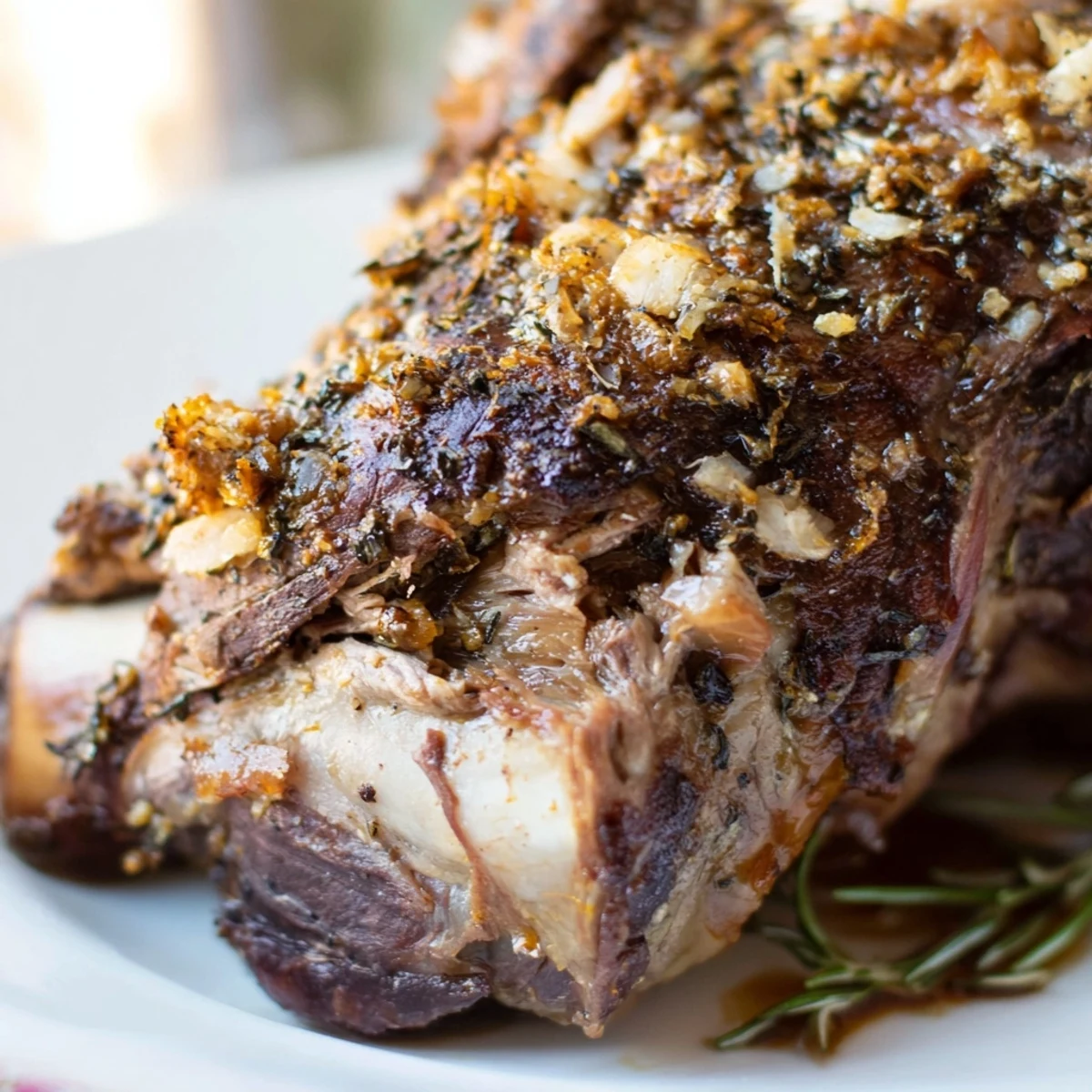
Save This dish features a bone-in lamb shoulder seasoned with olive oil, garlic, rosemary, thyme, salt, and pepper. It is roasted slowly alongside carrots, parsnips, onions, and baby potatoes. The vegetables are drizzled with olive oil and seasoned before roasting. Adding a touch of lemon zest and white wine or chicken stock enhances the flavors. The lamb is roasted covered, then uncovered to develop a golden crust. Resting before carving ensures juiciness. This hearty Mediterranean main offers a comforting blend of tender meat and root vegetables.
There's something about a roasting pan that fills the kitchen with anticipation, and this lamb shoulder does exactly that the moment it hits the oven. Years ago, I stood in a friend's kitchen on a rainy Sunday, watching her pull out a massive bone-in shoulder and I realized that slow cooking wasn't about following steps—it was about patience rewarding you with something genuinely spectacular. The herbs, the garlic, the golden vegetables tumbling around it—this became the recipe I return to when I want to cook something that feels both effortless and impressive.
I made this for my sister's birthday dinner once, and I'll never forget how quiet the table got when everyone took that first bite—the kind of quiet that means the food is speaking louder than conversation. She asked for the recipe that night, and now it's become her signature dish too.
Ingredients
- Bone-in lamb shoulder (2.5–3 kg): This cut has enough fat and connective tissue to become incredibly succulent when roasted low and slow, and the bone adds real depth to the pan juices.
- Olive oil: Use a decent one—it coats the lamb and prevents the herbs from burning.
- Sea salt and freshly ground black pepper: These are your base layer of flavor, so don't skimp.
- Garlic cloves (4), minced: Gets mellow and almost sweet as it roasts, infusing everything around it.
- Fresh rosemary and thyme (2 tablespoons and 1 tablespoon): These woody herbs are made for lamb; dried won't give you the same brightness.
- Carrots, parsnips, red onions, baby potatoes: Root vegetables are forgiving and actually improve as they sit in those pan juices, getting sweeter and more tender.
- Dry white wine or chicken stock (250 ml): Creates steam that keeps everything moist and adds complexity to the final sauce.
- Lemon zest and juice: The acid cuts through the richness and keeps everything from feeling too heavy.
Instructions
- Prep your lamb and set the oven:
- Pat the lamb completely dry with paper towels—this is crucial because moisture prevents browning. Preheat your oven to 170°C; this low, steady temperature is what turns the shoulder into something impossibly tender.
- Build the herb crust:
- Mix the minced garlic, rosemary, thyme, salt, and pepper with olive oil into a paste, then rub it all over the lamb, getting into every crevice. Let it sit while you prep the vegetables—even five minutes helps the flavors start settling in.
- Arrange everything in the pan:
- Place the lamb in the roasting pan and scatter the chunked vegetables around it, tossing them with olive oil and seasoning. Pour the wine or stock around the lamb, not over it, and add the lemon zest and juice.
- The covered roast:
- Seal the pan tightly with foil and let it roast for two hours undisturbed. The steam trapped inside is what does the real work here—breaking down the connective tissue and infusing everything with moisture.
- Finish with color:
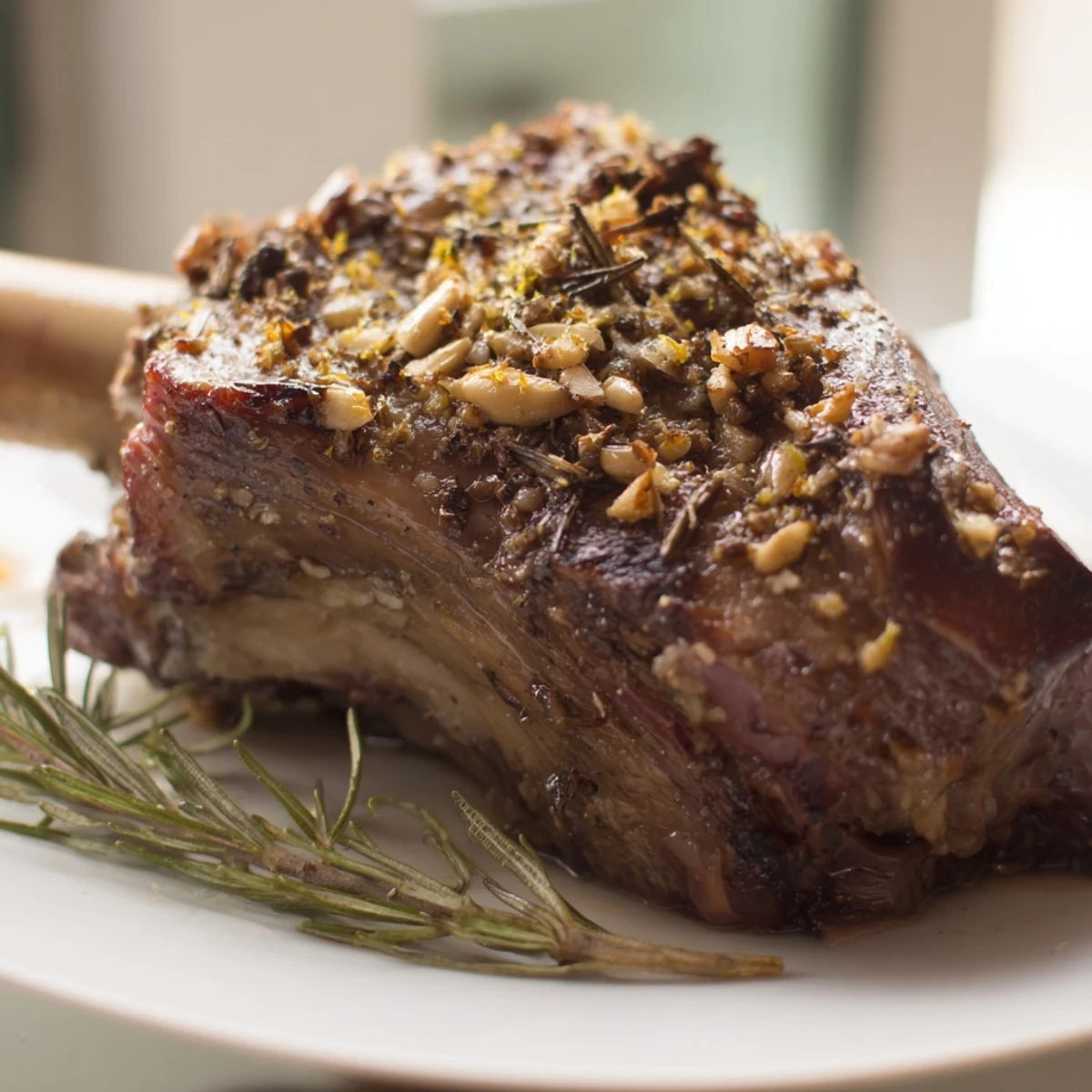
- Remove the foil, baste everything with the pan juices, and return it to the oven uncovered for thirty minutes. This is when the lamb develops a beautiful mahogany crust and the vegetables caramelize at the edges.
- Rest and serve:
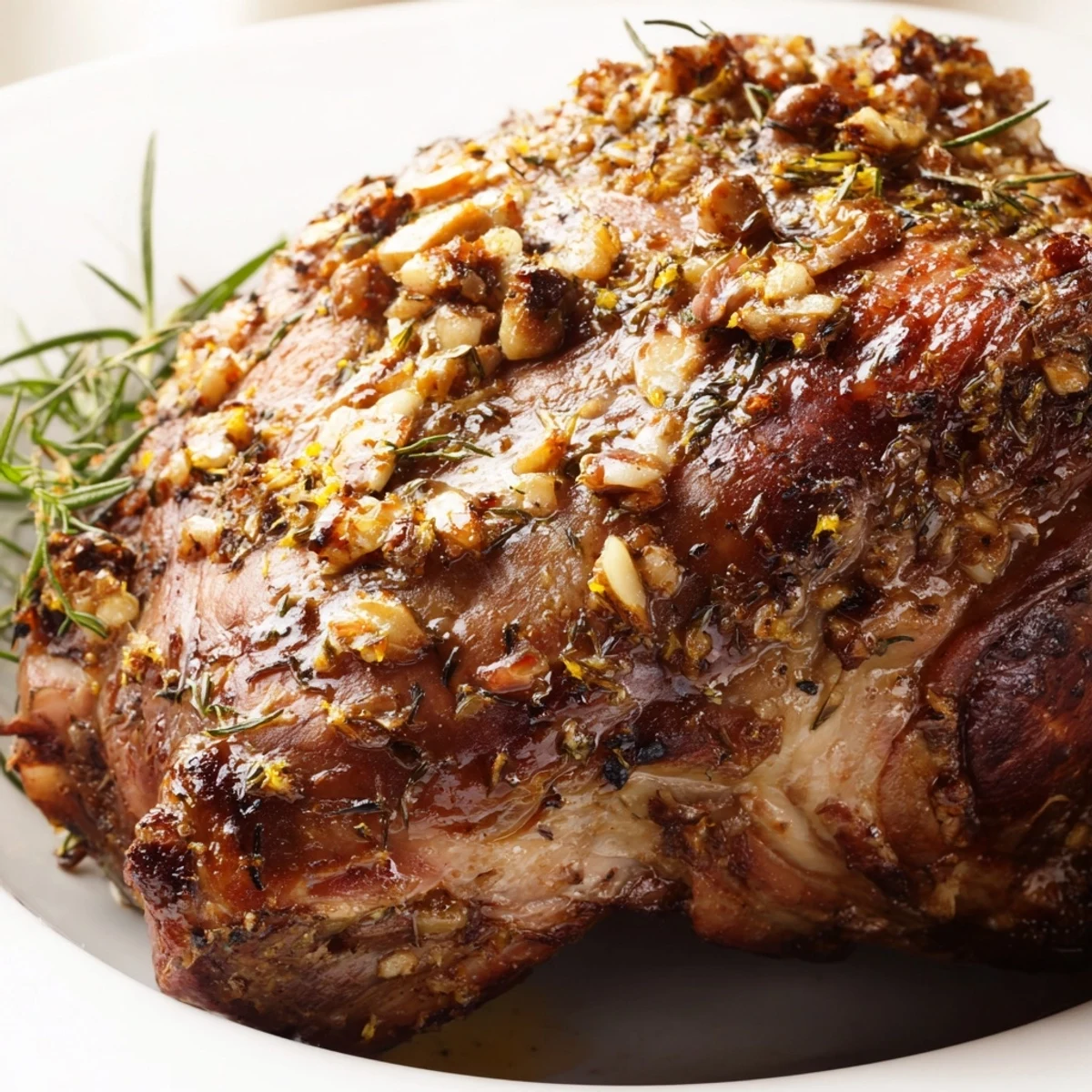
- Let the lamb rest loosely covered for fifteen minutes—this lets the juices redistribute so every slice stays tender. Carve it right at the table if you can; there's something about that moment that makes the meal feel like an occasion.
 Save
Save There's a moment, usually around the ninety-minute mark, when you open the oven just to peek and the smell hits you like a memory you didn't know you had. That's when you know this dish is becoming something special, something worth the wait.
The Math Behind Low and Slow
Lamb shoulder is full of collagen, the connective tissue that makes it tough when raw but transforms into gelatin when heat and time do their work together. That's why rushing this with high heat doesn't work—you need that gentle 170°C to convert the collagen without drying out the meat. Low temperature means the muscle fibers relax and stay moist even as everything else breaks down into silky tenderness.
Why These Vegetables Matter
Root vegetables aren't just side dishes here; they're actually part of the magic, because their natural sugars caramelize in the roasting pan and then dissolve into the sauce. Carrots and parsnips bring sweetness, potatoes add earthiness and starch, and red onions contribute a subtle sharpness that balances the richness of the lamb. Every vegetable choice changes the final flavor profile slightly, which is why swapping them out is always an option.
Making This Dish Your Own
The beauty of this recipe is that it's flexible without being fussy—you can marinate the lamb overnight if you have time, which deepens the herb flavor considerably. The vegetables can shift with the seasons: sweet potatoes in autumn, turnips for earthiness, fennel if you want something unexpected. The wine versus stock choice changes the final sauce too, with wine adding a little brightness and stock keeping things purely savory.
- Try marinating overnight for even more herb penetration, but even a quick thirty-minute sit makes a difference.
- Don't be afraid to experiment with different herbs—oregano and sage work beautifully here too.
- The pan juices are liquid gold, so spoon them over everything at the table.
 Save
Save This is the kind of recipe that reminds you why people gather around tables in the first place—not because the food is complicated, but because it's genuine and generous. It's a dish that says you cared enough to spend an afternoon cooking for the people you're with.
Recipe Questions
- → How long should I roast the lamb shoulder?
-
Roast the lamb shoulder covered for 2 hours, then uncovered for an additional 30 minutes until deeply browned and tender.
- → Can I prepare the lamb in advance?
-
Yes, marinating the lamb overnight with herbs, garlic, and olive oil enhances the flavor before roasting.
- → What vegetables work best with roasted lamb shoulder?
-
Carrots, parsnips, red onions, and baby potatoes complement the lamb’s rich flavors perfectly.
- → Can I substitute the white wine in the dish?
-
You can replace white wine with chicken stock, especially if avoiding alcohol or allergies.
- → How should the lamb be rested after roasting?
-
Let the lamb rest loosely covered with foil for about 15 minutes to retain juices before carving.