
 Save
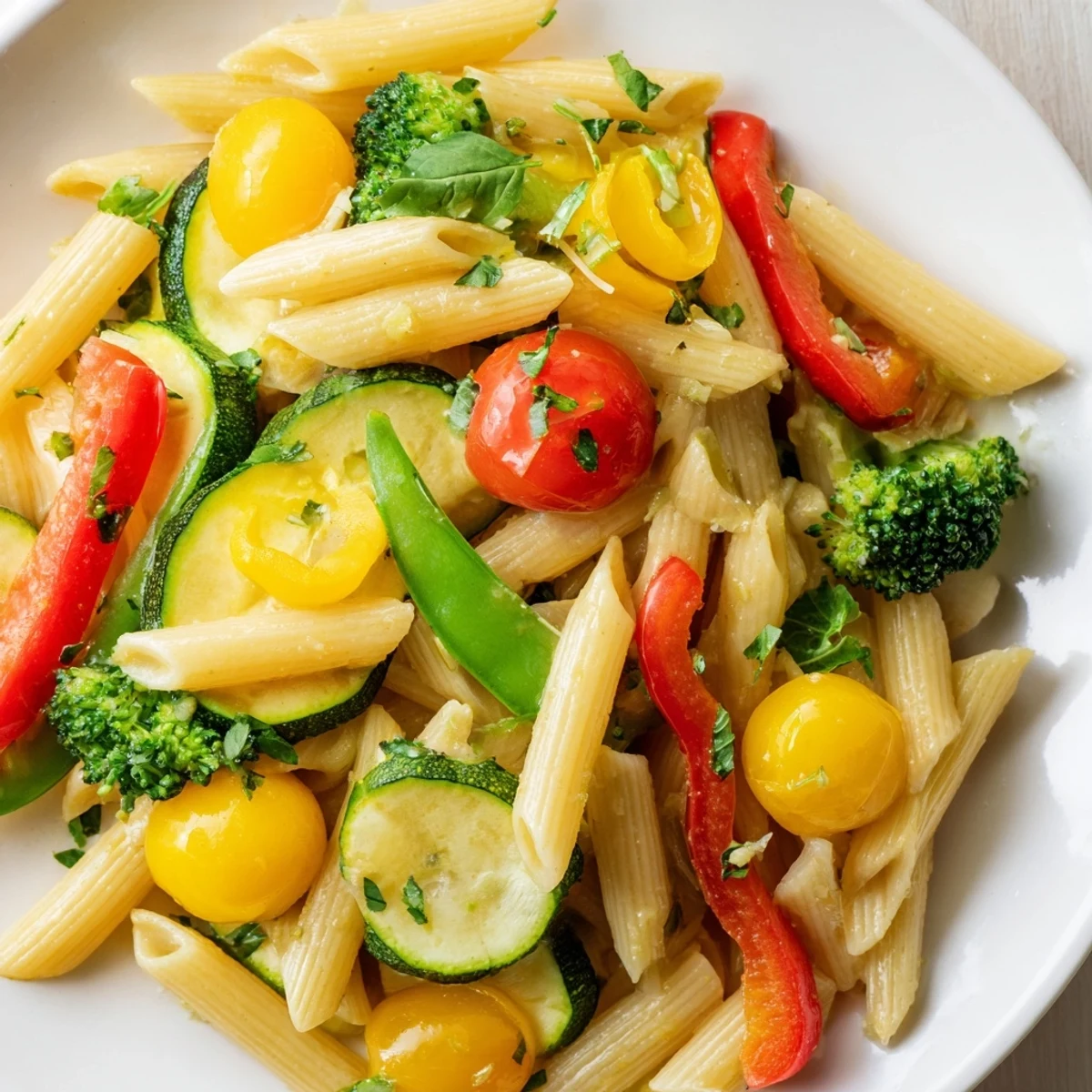
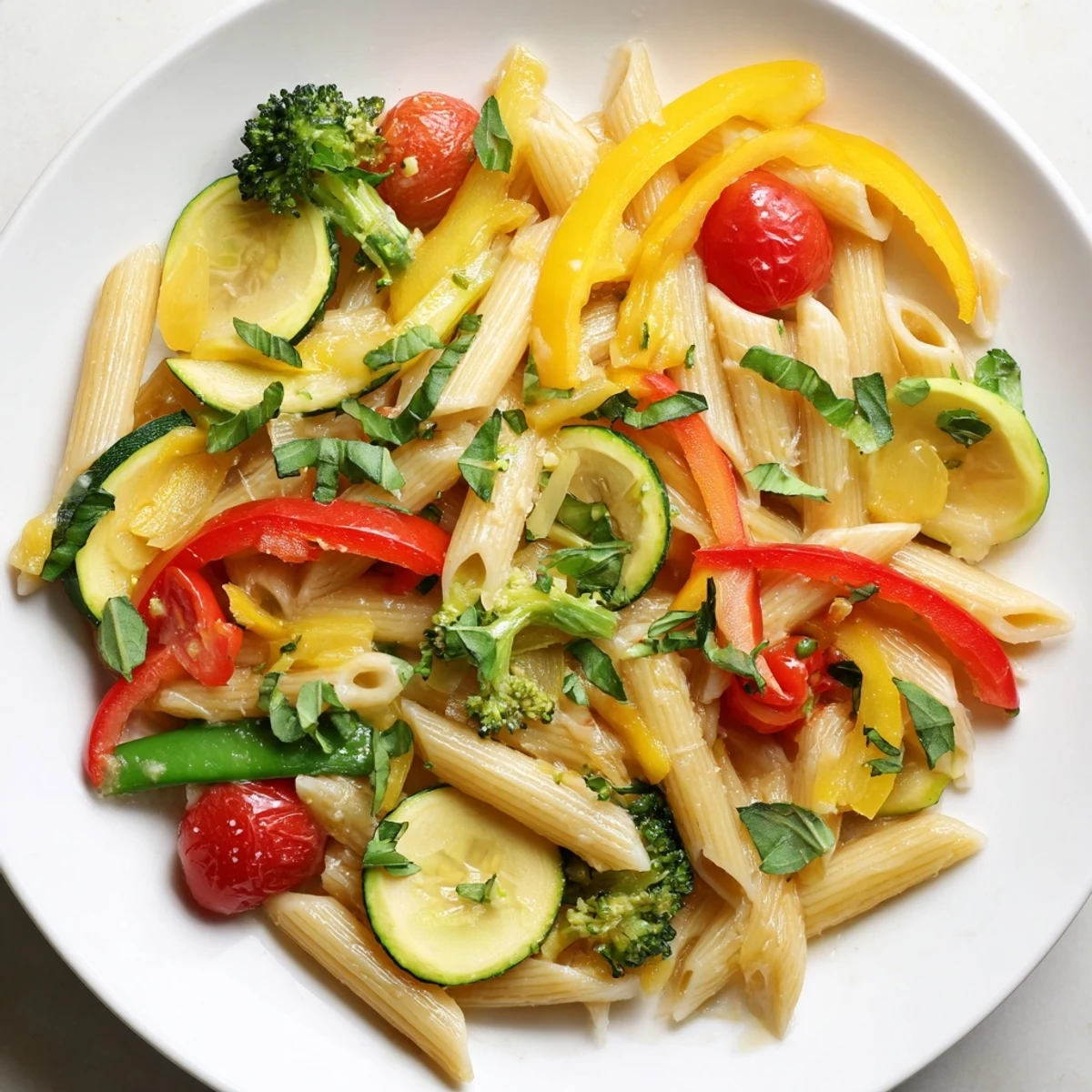
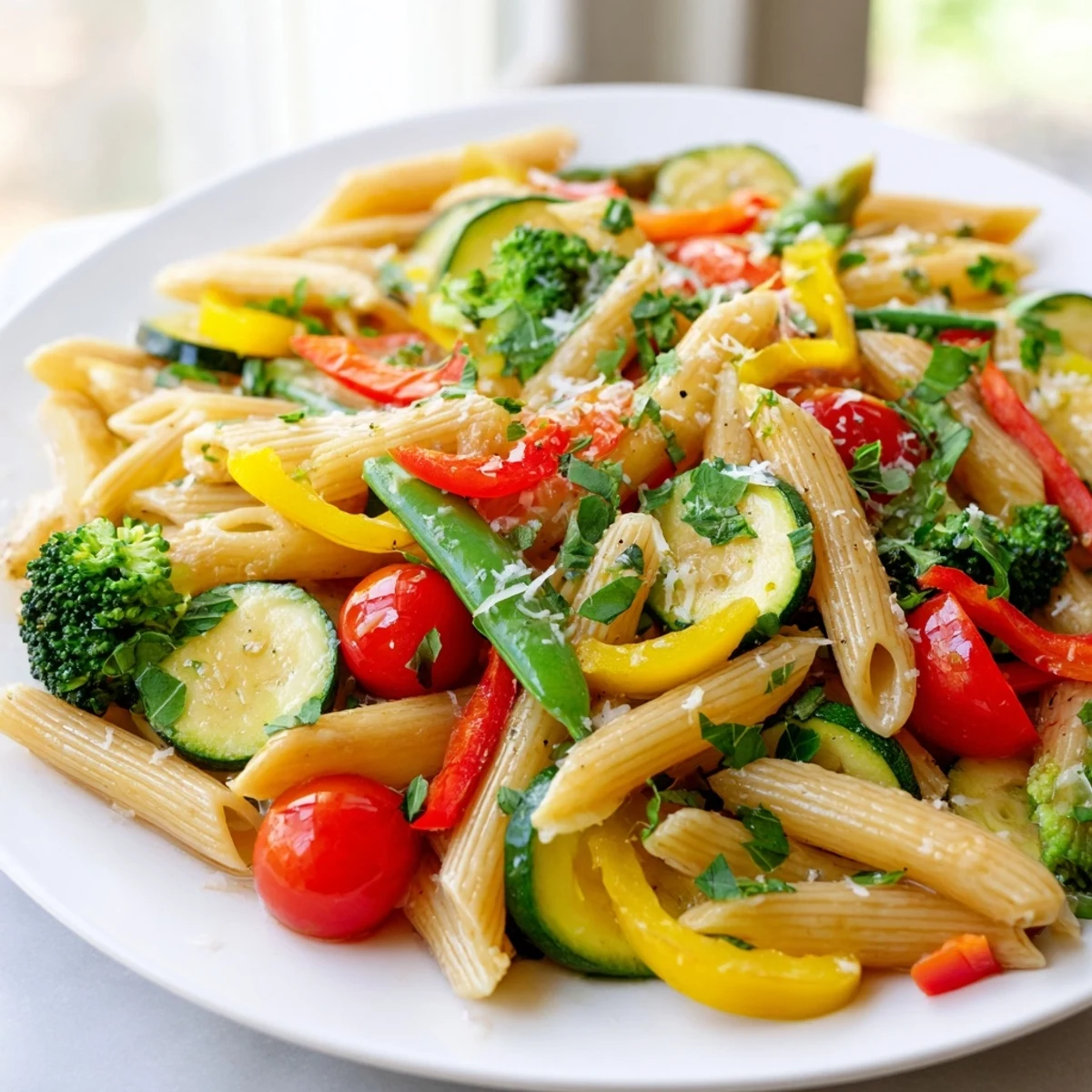
Save This beloved Italian classic combines perfectly cooked penne or spaghetti with an array of vibrant spring vegetables including zucchini, yellow squash, bell peppers, cherry tomatoes, broccoli florets, and sugar snap peas. The vegetables are lightly sautéed in olive oil with aromatic garlic, then brought together with a bright lemon-vegetable broth sauce and finished with freshly grated Parmesan cheese.
The entire dish comes together in just 40 minutes, making it ideal for busy weeknights when you want something wholesome and satisfying. The key is cooking vegetables until just tender-crisp to maintain their fresh flavor and vibrant colors. The reserved pasta water helps create a silky sauce that clings beautifully to each strand of pasta.
Perfect for serving four people, this vegetarian main pairs wonderfully with a crisp white wine and can be easily customized with your favorite seasonal vegetables or protein additions.
The first time I made pasta primavera, I was trying to use up an embarrassing amount of vegetables from my farmers market impulse buy. That chaotic Tuesday night dinner taught me that spring vegetables, when treated right, can turn ordinary pasta into something that makes people pause mid bite and ask what you did differently.
Last spring my sister came over exhausted from a new job and I made this while she complained about her commute. By the time we sat down, the bright colors and fresh herbs had somehow fixed her mood faster than anything else could have. Sometimes pasta is just better at comfort than actual conversation.
Ingredients
- Pasta: Penne catches the vegetables beautifully but spaghetti works too
- Zucchini and yellow squash: Slice them thin so they cook through without getting mushy
- Red bell pepper: Julienned into strips that match the pasta shape
- Cherry tomatoes: They burst slightly and create their own little sauce pockets
- Sugar snap peas: Add incredible crunch and sweetness that balances the garlic
- Broccoli florets: Use small pieces so they cook evenly with everything else
- Extra virgin olive oil: This carries all the flavors so use something decent
- Garlic: Minced fine so it disperses throughout the oil
- Vegetable broth: Creates steam and helps build the sauce base
- Lemon juice: Brightens everything and cuts through the olive oil
- Parmesan cheese: The saltiness grounds all the fresh spring flavors
- Fresh basil and parsley: Add them at the end so they stay vibrant and fragrant
Instructions
- Get the pasta going:
- Boil salted water and cook pasta until al dente then drain but save some of that starchy water before you forget
- Build the flavor base:
- Heat olive oil in a large skillet and cook garlic with red pepper flakes until your kitchen smells amazing
- Start the hard vegetables:
- Add zucchini squash bell pepper and broccoli and let them sauté until they start to soften and pick up some color
- Add the quick cookers:
- Toss in cherry tomatoes and snap peas and cook just until the tomatoes start to look like they want to burst
- Create the sauce:
- Pour in vegetable broth and lemon juice and let everything simmer together for a couple minutes
- Bring it all together:
- Add the pasta to the skillet with Parmesan and use that reserved pasta water to make everything glossy and coated
- Finish with fresh herbs:
- Stir in basil and parsley right before serving and taste to see if it needs more salt or pepper
 Save
Save My neighbor smelled this cooking through our shared wall and knocked on my door with a wine bottle asking what I was making. We ended up eating on my back porch watching the sunset and I realized this is the kind of food that accidentally creates community.
Timing Your Vegetables
I learned the hard way that adding all vegetables at once means some turn to mush while others stay raw. Now I start with the hardest ones and work my way to the delicate ones so everything finishes perfectly tender at the same time.
Making It Yours
This recipe forgives almost any substitution. Asparagus in spring corn in summer butternut squash in fall. The method stays the same and the seasons decide the vegetables.
Serving Suggestions
A crisp white wine cuts through the olive oil beautifully and a simple green salad with vinaigrette balances the richness. Keep the sides light because this pasta is already a complete meal on its own.
- Grate extra Parmesan at the table so people can add their own
- Crusty bread is essential for sopping up any sauce left in the bowl
- Leftovers reheat surprisingly well with a splash of water
 Save
Save This pasta reminds me why I fell in love with cooking in the first place. Simple ingredients treated with respect turning into something that makes people happy around a table.
Recipe Questions
- → What vegetables work best in pasta primavera?
-
Classic spring vegetables like zucchini, yellow squash, bell peppers, broccoli, cherry tomatoes, and sugar snap peas work beautifully. You can also add asparagus, peas, or fresh green beans based on seasonal availability.
- → How do I keep vegetables crisp-tender?
-
Sauté vegetables over medium heat and avoid overcrowding the pan. Cook harder vegetables like broccoli and squash first (4-5 minutes), then add quicker-cooking items like cherry tomatoes and snap peas for just 2-3 minutes.
- → Can I make this dish gluten-free?
-
Yes, simply substitute gluten-free pasta for traditional penne or spaghetti. The cooking time may vary slightly, so follow package instructions and test for doneness before draining.
- → How do I store and reheat leftovers?
-
Store in an airtight container in the refrigerator for up to 3 days. Reheat gently in a skillet with a splash of water or broth, adding extra olive oil if needed to refresh the sauce.
- → Can I add protein to this dish?
-
Absolutely! Grilled chicken strips, sautéed shrimp, or chickpeas make excellent additions. Add cooked proteins during the final tossing step so they heat through without overcooking.
- → Why reserve pasta water?
-
Pasta water contains starch that helps emulsify the sauce, creating a silky texture that clings to the pasta. This technique ensures every bite is coated with flavor.