
 Save
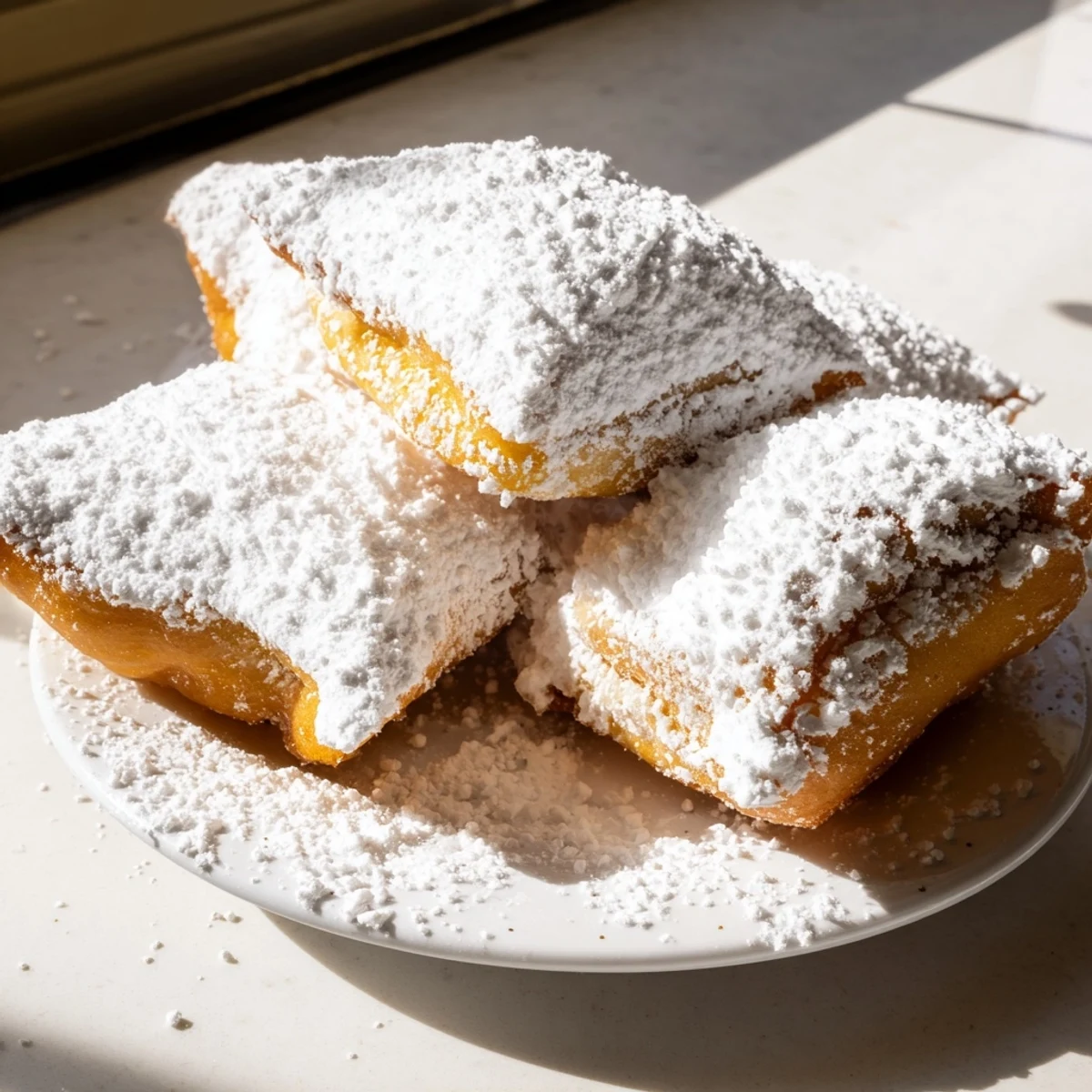
Save Experience the essence of New Orleans with fluffy, golden fried dough squares topped with a generous dusting of powdered sugar. This approach combines a yeasted dough that's nurtured to a perfect rise before frying, creating a light and airy texture inside with a crisp exterior. Ideal for a sweet finish or afternoon treat, these chewy, soft pastries pair beautifully with strong coffee and can be flavored subtly with vanilla or warm spices.
The first time I walked through New Orleans French Quarter, the air itself seemed thick with sugar and frying dough. I followed that scent like a compass, ending up at a small cafe where powdered sugar coated everything—the tables, the napkins, even my sleeves. That morning taught me that beignets are not merely pastries but an experience, one that demands surrender to the mess. Now every time I make them at home, that first bite transports me right back to those wrought-iron balconies and street musicians playing jazz.
Last winter, when snow had everyone stuck inside, I decided beignets were exactly what my friends needed. We stood around the stove, taking turns frying batches and laughing as sugar drifted onto the counter like our own personal winter storm. Something about waiting for dough to rise together makes people tell stories they have been saving up.
Ingredients
- All-purpose flour: The backbone of that pillowy texture we are chasing
- Whole milk: Adds richness and helps the yeast activate properly
- Warm water: Must be around 110°F or your yeast will not wake up
- Granulated sugar: Feeds the yeast and adds subtle sweetness to the dough
- Active dry yeast: The magic behind those airy pockets inside
- Large egg: Creates structure while keeping the interior tender
- Unsalted butter: Use it softened so it incorporates evenly
- Salt: Just enough to balance the sweetness
- Vanilla extract: Rounds out all the flavors beautifully
- Vegetable oil: Needs to be deep enough for beignets to float freely
- Powdered sugar: The finishing touch that makes everything perfect
Instructions
- Wake up the yeast:
- Combine warm water, one tablespoon of sugar, and yeast in a small bowl, then wait 5 to 10 minutes until it turns foamy and alive.
- Mix the wet ingredients:
- Whisk together the milk, remaining sugar, egg, softened butter, and vanilla extract, then stir in that happy yeast mixture until everything is friendly.
- Build the dough:
- Gradually add the flour and salt, mixing until a sticky dough forms that clings to your spoon.
- Knead it smooth:
- Turn the dough onto a floured surface and knead for about 5 minutes until it feels smooth and elastic like a stress ball.
- Let it rise:
- Place the dough in a greased bowl, cover it, and find a warm corner where it can double in size over about two hours.
- Roll and cut:
- Punch down the risen dough, roll it out to quarter-inch thickness, and cut into squares that will puff up beautifully.
- Heat the oil:
- Get your oil to 350°F, which is hot enough that a small piece of dough sizzles immediately.
- Fry to golden:
- Cook beignets in batches for 2 to 3 minutes, turning them until they are puffed and golden brown like little clouds.
- Sugar shower:
- Drain briefly on paper towels, then dust generously with powdered sugar while they are still warm.
 Save
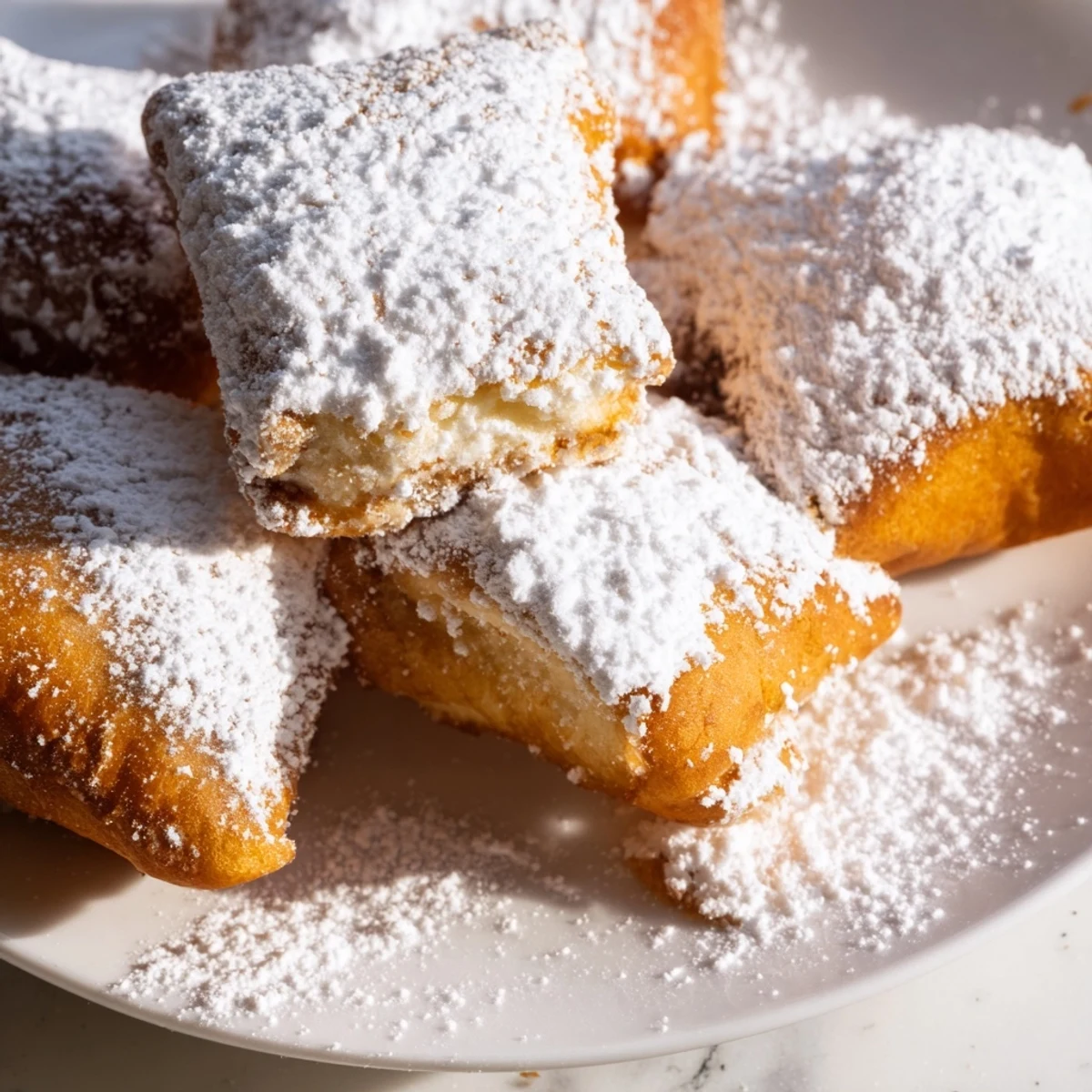
Save My daughter now requests these for every special occasion, and I have learned that the ritual of making them together matters more than the pastries themselves. She stands on her step stool with the powdered sugar sifter, creating her own winter storm across the kitchen. Those sugar-covered moments are the ones she will remember long after she leaves home.
The Secret to Perfect Shape
A pizza cutter makes the cleanest squares and glides through the dough without dragging like a knife might. Work quickly once the dough is rolled out because it will start to shrink back on you. The squares do not need to be perfect; in fact, the irregular ones look more authentic.
Mastering the Fry
Invest in a kitchen thermometer because guessing oil temperature is how beignets go wrong. I learned this the hard way after three batches of doughy centers. Keep the oil steady and do not overcrowd the pot or the temperature will drop too fast.
Serving Suggestions
Chicory coffee is the traditional pairing but hot chocolate works beautifully too. These are best eaten the moment they are made, ideally standing over the counter with sugar on your chin. The contrast between hot crisp exterior and soft interior is what makes them unforgettable.
- Set up a topping bar with cinnamon sugar or nutmeg for variety
- Have plenty of napkins ready because the sugar gets everywhere
- Invite people over to eat them fresh from the fryer
 Save
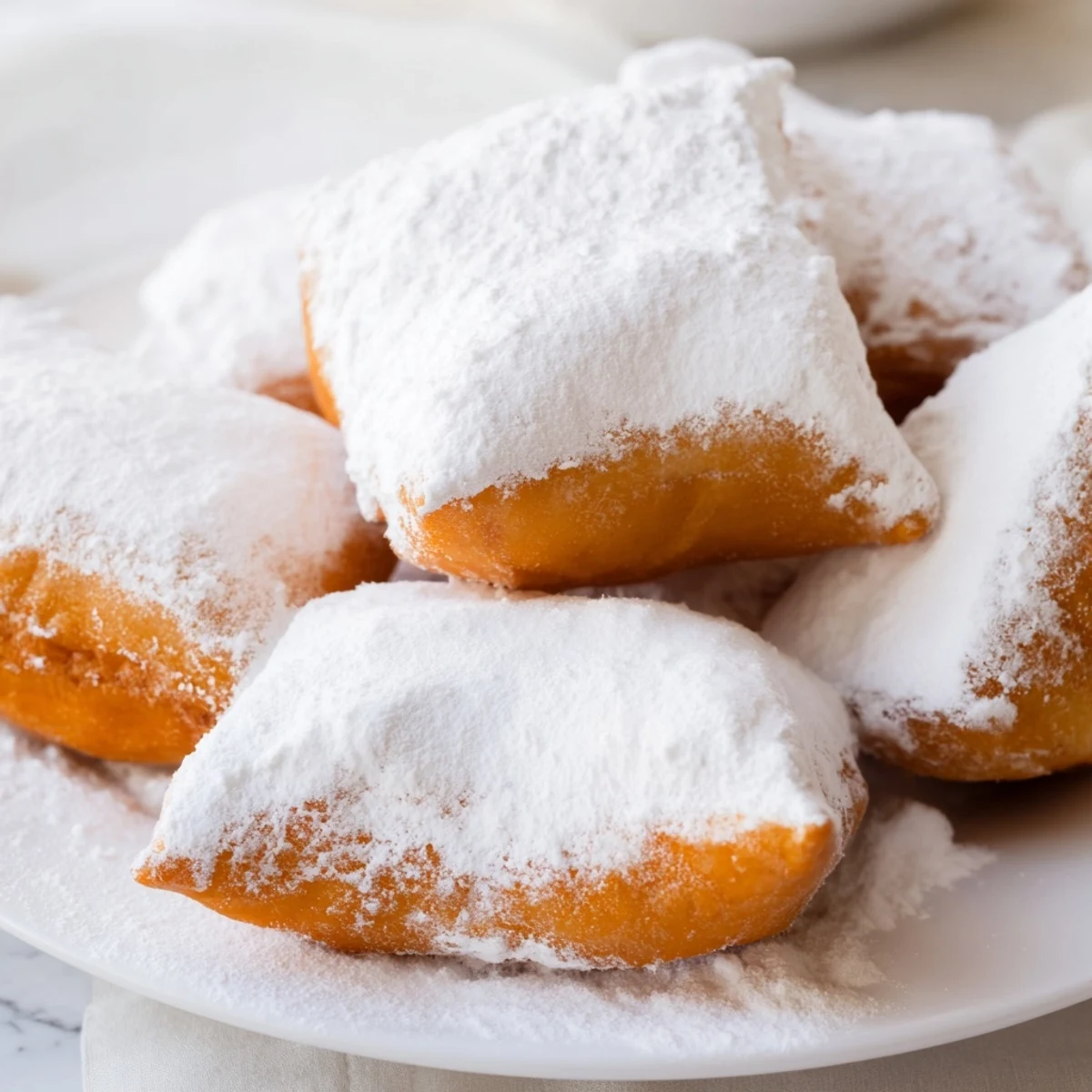
Save There is something wonderfully rebellious about eating fried dough covered in sugar for breakfast, and I think that is exactly why we love them. Make them for someone you love and watch their face light up at first bite.
Recipe Questions
- → What type of flour is best for making beignets?
-
All-purpose flour works well, providing the right balance of structure and tenderness for the fluffy texture.
- → How long should the dough rise before frying?
-
Allow the dough to rise until doubled in size, about 2 hours, to develop light and airy beignets.
- → At what temperature should the oil be for frying?
-
Heat the oil to 350°F (175°C) to ensure evenly cooked, golden brown beignets with a crisp outer layer.
- → Can I add spices to the dough for extra flavor?
-
Yes, a pinch of nutmeg or cinnamon adds subtle warmth without overpowering the delicate dough.
- → How should beignets be served for best taste?
-
Serve warm with a generous dusting of powdered sugar, alongside a robust coffee for a traditional experience.
- → What are good alternatives for dairy or egg allergies?
-
Substitute dairy with plant-based milk and butter replacements; for eggs, use vegan egg alternatives keeping texture in mind.