
 Save
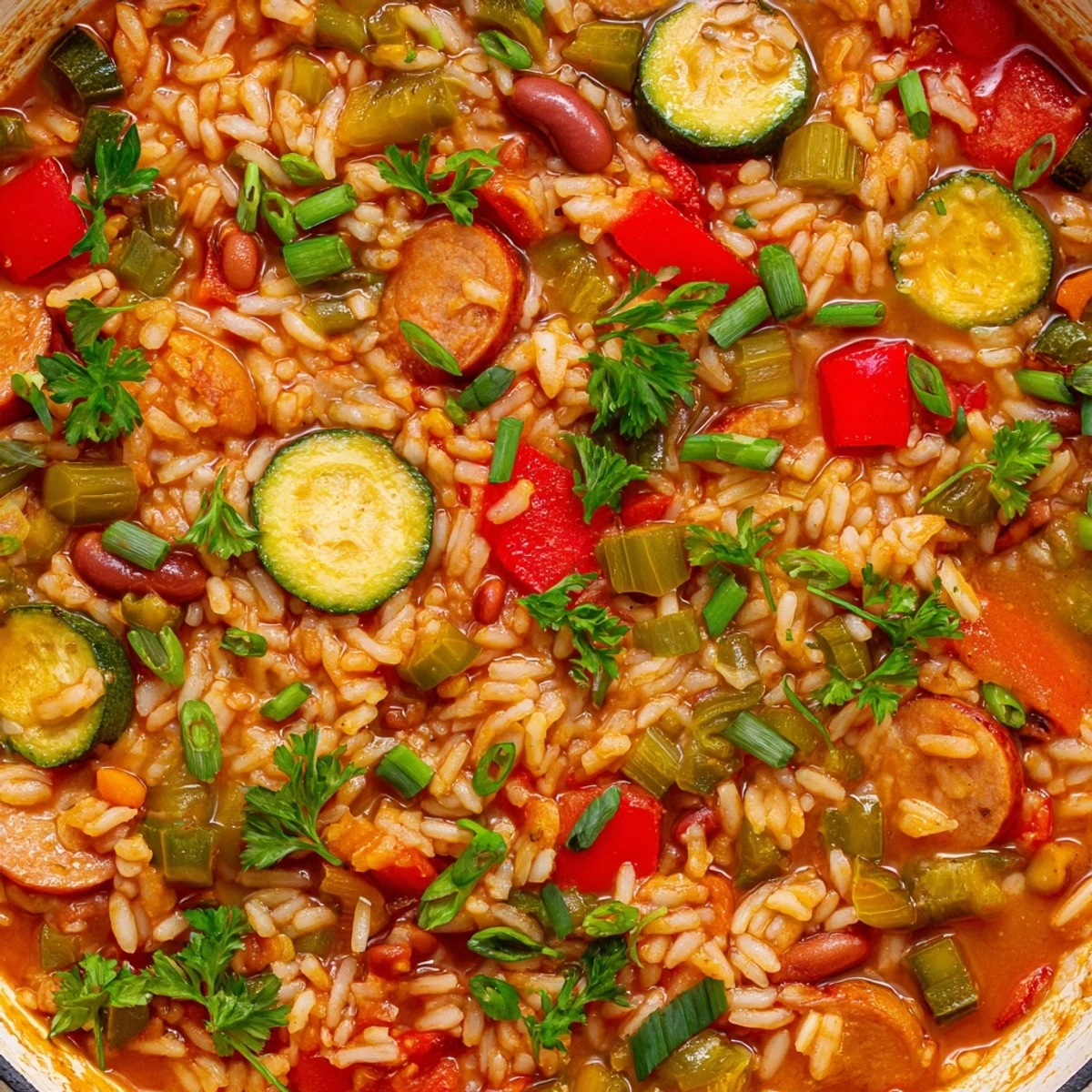
Save This vibrant Mardi Gras Jambalaya highlights a rich blend of Creole flavors. It features a colorful medley of fresh vegetables including bell peppers, onion, celery, zucchini, and okra, combined with long-grain white rice, diced tomatoes, and kidney beans. Expertly seasoned with smoked paprika, thyme, oregano, and a kick of cayenne, this plant-based dish is simmered to perfection until the rice is tender. Ideal for a festive gathering, it offers a hearty and aromatic experience.
I remember one particularly dreary late February afternoon, the kind where the grey skies seem to press down on everything. My usual winter comfort food just wasn't cutting it, and I was yearning for a burst of color and flavor to chase away the gloom. That's when the idea of a vegetarian jambalaya, a vibrant celebration in a pot, popped into my head. It felt like bringing a little bit of New Orleans sunshine right into my kitchen, even if it was just for me.
The first time I served this to friends, we were having a casual board game night, and I wanted something easy yet impressive. As the pot simmered, the whole apartment filled with the most incredible aroma—a fragrant blend of paprika, thyme, and a subtle hum of spice. Seeing everyone go back for seconds, even the most dedicated meat-eaters, was such a genuine joy; it really cemented this recipe's spot in my regular rotation.
Ingredients
- Olive Oil: This is our starting point, gently coaxing out the sweetness from the vegetables and building our flavor foundation.
- Yellow Onion, Red Bell Pepper, Green Bell Pepper, Celery: This is the "Holy Trinity" of Creole cooking, forming the aromatic heart of our jambalaya.
- Garlic: Don't skimp on the fresh minced garlic; it adds a pungent warmth that weaves through every bite.
- Zucchini: It adds a lovely tenderness and a subtle sweetness that balances the bolder spices.
- Okra: Crucial for that authentic jambalaya texture, it thickens the dish slightly and adds its unique, almost earthy flavor.
- Long-Grain White Rice: Opt for long-grain as it cooks up fluffy and distinct, rather than clumpy, which is essential for jambalaya.
- Canned Diced Tomatoes (with juices): These provide tang, body, and a vibrant color, deepening the sauce's flavor.
- Canned Kidney Beans: Rinsed and drained, they add a wonderful creaminess and a boost of plant-based protein.
- Vegetable Broth: This is our primary liquid, so choose a good quality, flavorful broth to enhance the entire dish.
- Smoked Paprika: A non-negotiable for that deep, smoky complexity that sets Creole dishes apart.
- Dried Thyme & Dried Oregano: These herbs are essential for the classic aromatic profile of jambalaya, lending an earthy, herbaceous depth.
- Cayenne Pepper: This is where you control the heat; start with a teaspoon and adjust to your spice preference.
- Salt & Black Pepper: Season generously, tasting as you go, to bring all the flavors into harmony.
- Bay Leaves: These infuse the rice with a subtle, aromatic background note during cooking, then are removed before serving.
- Fresh Parsley: A bright, fresh finish that adds a pop of color and cuts through the richness.
- Green Onions: Sliced thin, they provide a mild oniony crunch and another layer of freshness.
- Lemon Wedges: A squeeze of fresh lemon juice at the end brightens everything up and makes the flavors sing.
Instructions
- Sauté the Trinity:
- Heat the olive oil in a large Dutch oven or deep skillet over medium heat, then add your diced onion, bell peppers, and celery. Let them soften for about five minutes until they become translucent and fragrant, stirring occasionally.
- Add Aromatics & Veggies:
- Stir in the minced garlic, zucchini, and sliced okra, cooking for another three to four minutes until they just begin to tenderize.
- Toast the Rice:
- Add the long-grain white rice to the pot and toast it for about two minutes, stirring constantly until the edges of the grains start to look translucent.
- Combine & Simmer:
- Mix in the diced tomatoes with their juices, kidney beans, vegetable broth, smoked paprika, thyme, oregano, cayenne, salt, black pepper, and bay leaves, stirring everything thoroughly to combine. Bring the mixture to a boil.
- Cover & Cook:
- Once boiling, reduce the heat to low, cover the pot tightly, and let it simmer undisturbed for 25 to 30 minutes, or until the rice is tender and has absorbed all the liquid. Resist the urge to peek!
- Fluff & Finish:
- Remove the pot from the heat and carefully take out the bay leaves, then gently fluff the rice with a fork. Stir in the halved cherry tomatoes and taste, adjusting any seasonings if needed.
- Serve & Garnish:
- Ladle the hot jambalaya into bowls, then garnish generously with fresh chopped parsley, sliced green onions, and a refreshing squeeze of lemon juice from optional wedges.
 Save
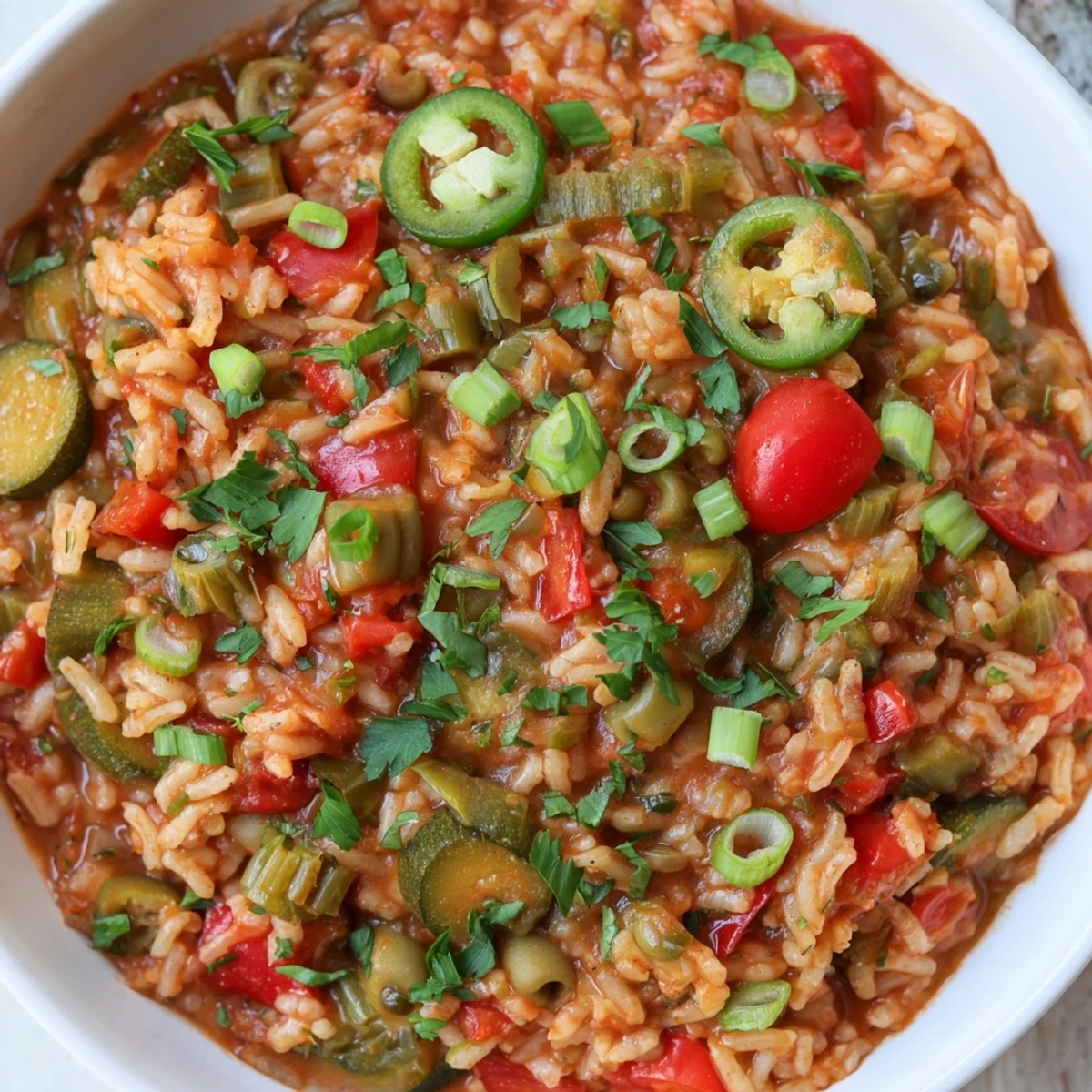
Save This veggie jambalaya became a beacon for busy weeknights, a dish that promised flavor and warmth with minimal fuss. It was the recipe I’d pull out when I wanted to impress without stress, especially for friends who were exploring more plant-based eating. The way it satisfied everyone, often prompting requests for the recipe, made it feel like more than just food; it was a connection, a shared moment of delicious comfort.
Customizing Your Creole Creation
One of the beautiful things about jambalaya is how adaptable it is to your pantry and preferences. If you're looking for extra protein or a heartier dish, feel free to toss in some sliced vegan sausage during the last 10 minutes of simmering, or crumbled firm tofu that's been lightly browned. For those who love a serious kick, a little extra cayenne pepper will certainly do the trick, but remember, you can always add more heat at the end with a dash of hot sauce.
The Magic of Leftovers
If you thought this jambalaya was good on day one, just wait until you taste it the next day! The flavors meld and deepen overnight, creating an even richer and more harmonious experience. Store any leftovers in an airtight container in the refrigerator for up to 3-4 days, and gently reheat it on the stovetop with a splash of broth or water to prevent drying out.
Essential Tools & Perfect Pairings
You don't need a gourmet kitchen to make this jambalaya, but a sturdy Dutch oven or a deep, heavy-bottomed skillet will be your best friend, ensuring even cooking and preventing sticking. Beyond that, a good chef's knife for all the chopping and a reliable wooden spoon are truly all you need to get this vibrant dish on the table.
- A heavy-bottomed pot ensures even heat distribution, crucial for rice.
- Don't forget that fresh lemon wedge; it's a small touch that makes a huge difference.
- Always taste your jambalaya before serving and adjust salt or spice as needed.
 Save
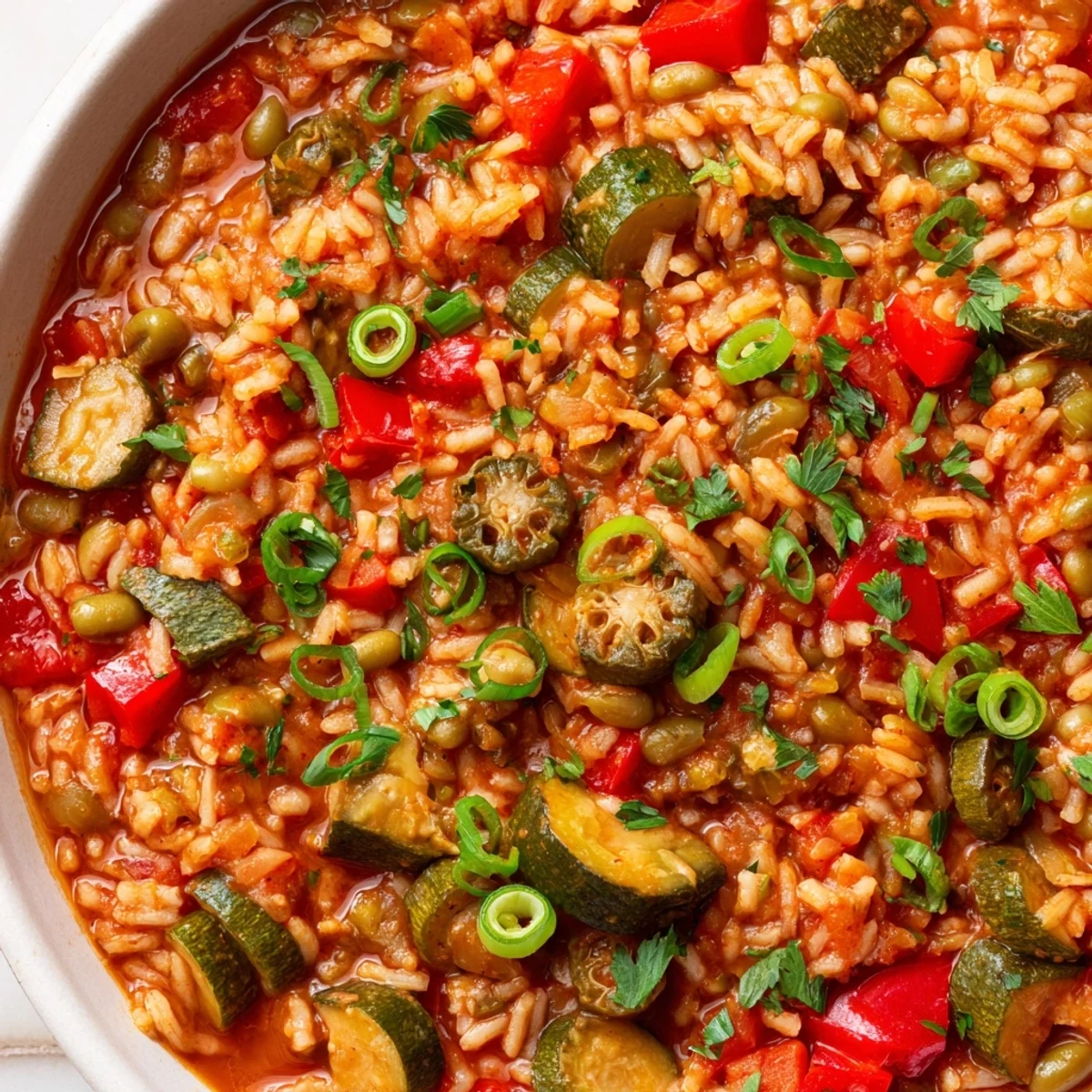
Save This Mardi Gras Veggie Jambalaya isn't just a recipe; it's an invitation to bring warmth, spice, and celebration to your table, any day of the year. I hope it brings as much joy to your kitchen as it has to mine.
Recipe Questions
- → Can I make this dish ahead of time?
-
Yes, this Jambalaya is excellent for meal prep. You can prepare it a day in advance, and the flavors often deepen overnight. Reheat gently on the stovetop or in the microwave, adding a splash of vegetable broth if it seems too dry.
- → What can I use if I don't have okra?
-
If fresh or frozen okra is unavailable, you can omit it entirely or substitute with green beans. While okra adds a unique texture, the dish will still be delicious without it.
- → How can I adjust the spice level?
-
The heat primarily comes from the cayenne pepper. For a milder dish, reduce or omit the cayenne. For more heat, you can increase the amount or add a dash of hot sauce when serving.
- → Is this suitable for a gluten-free diet?
-
Yes, this Jambalaya is naturally gluten-free, provided you use a gluten-free vegetable broth. Always check the labels of your canned goods like diced tomatoes and beans to ensure they contain no hidden gluten ingredients.
- → Can I add extra protein to this dish?
-
Absolutely! For additional protein, consider stirring in 1 cup of cooked chickpeas or black beans along with the kidney beans. You could also add plant-based sausage slices or firm tofu cubes during the sautéing step.
- → What type of rice is best for Jambalaya?
-
Long-grain white rice is traditionally used and recommended for this dish as it absorbs flavors well and maintains a good texture without becoming overly sticky. Basmati or jasmine rice can also work as alternatives.