
 Save
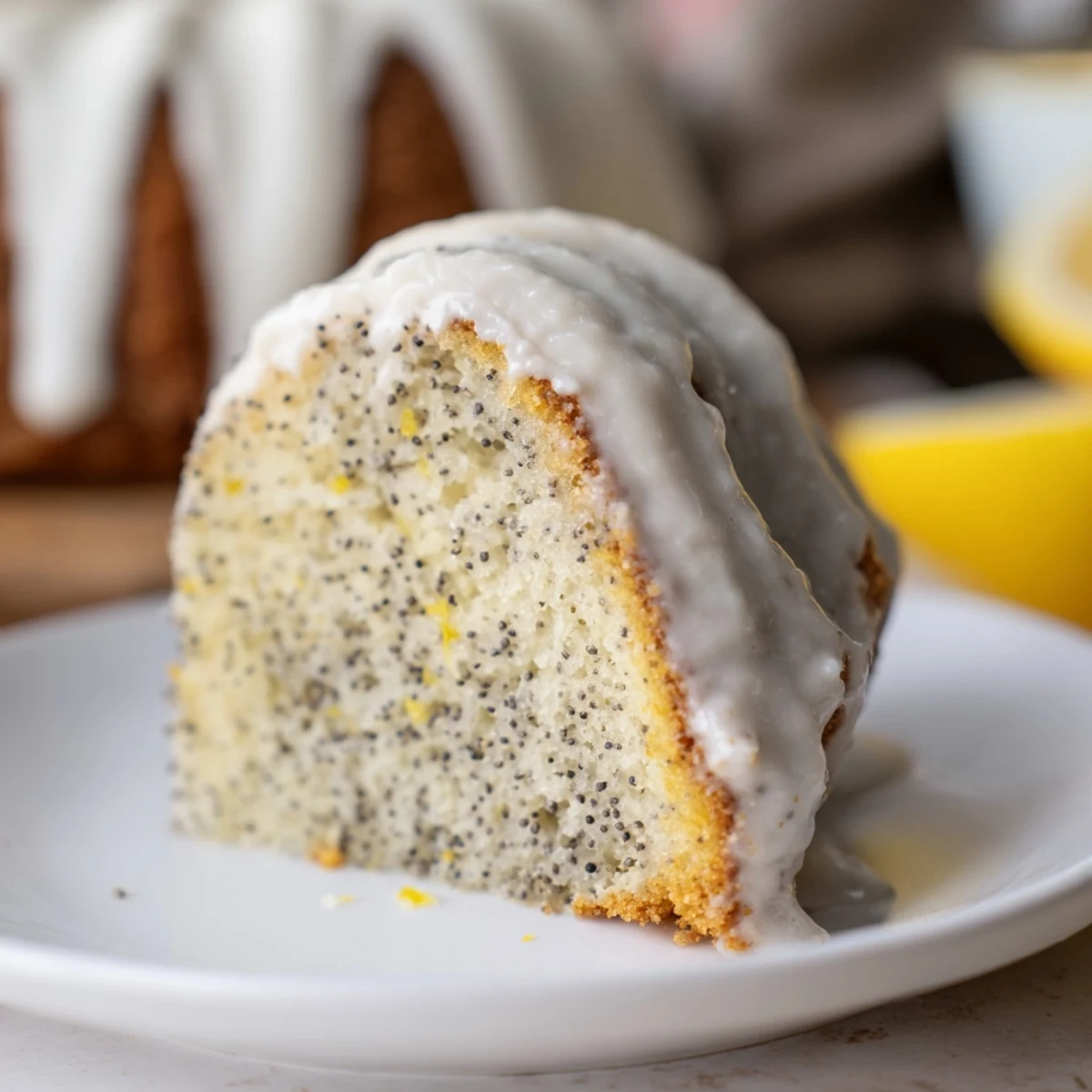
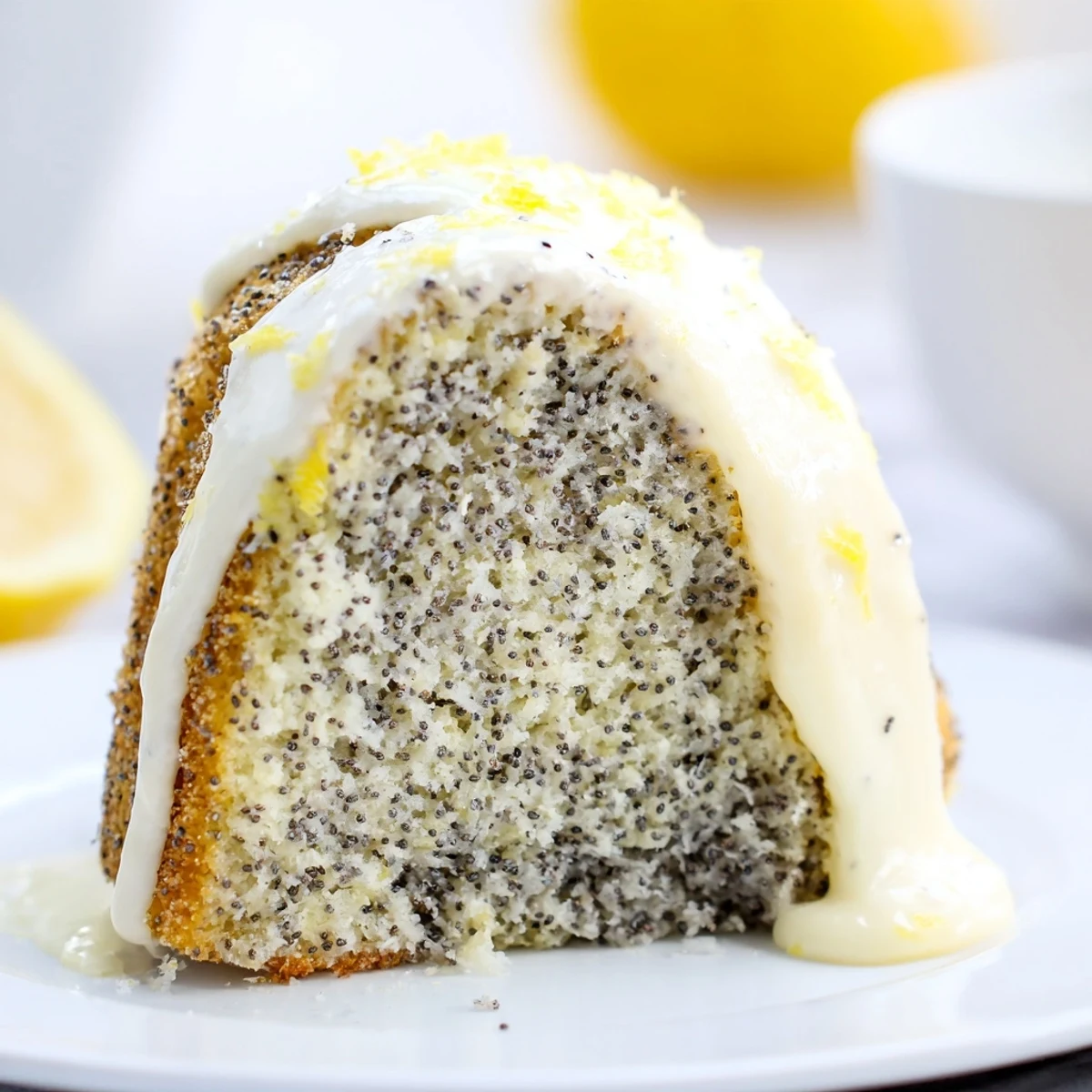
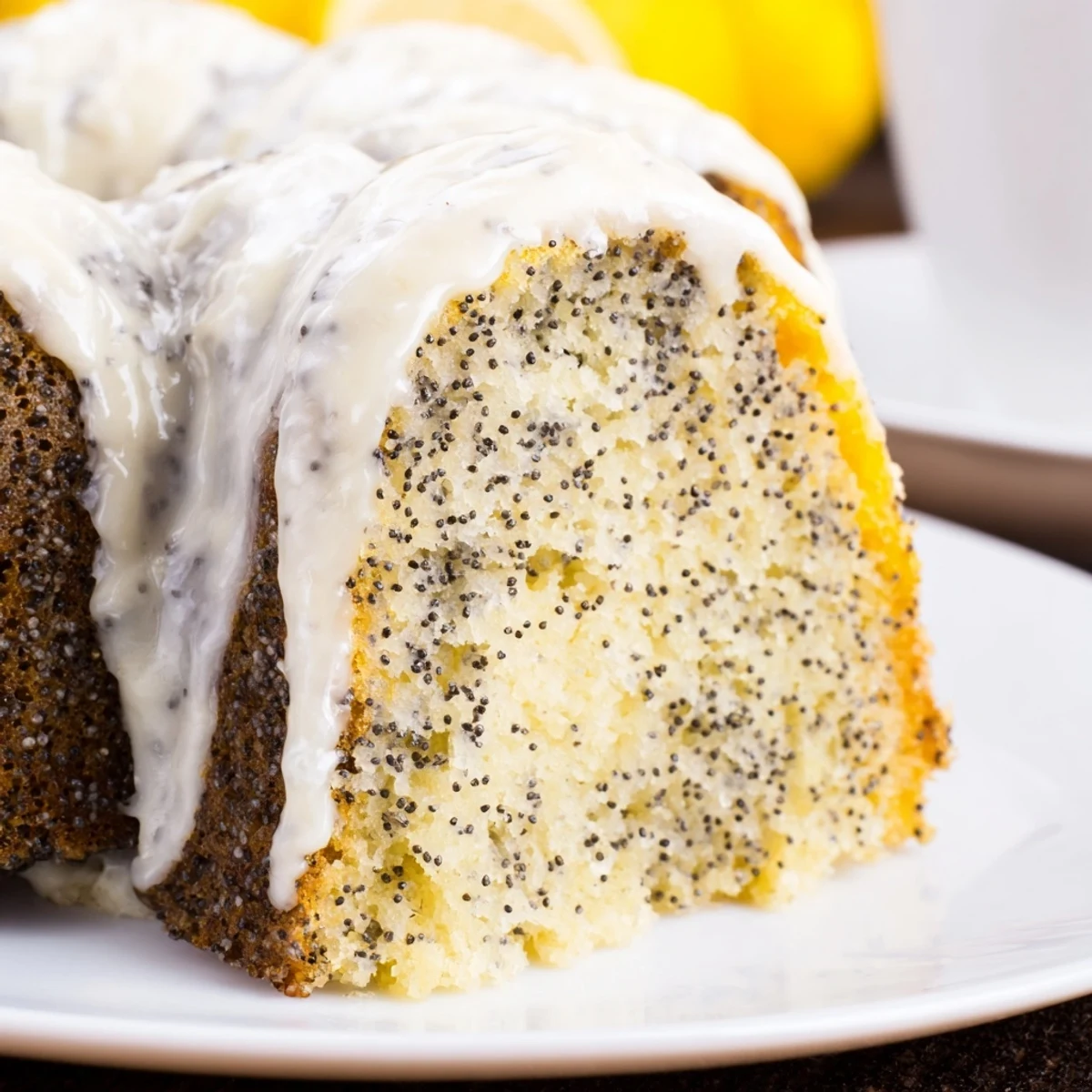
Save This moist, zesty bundt cake is packed with poppy seeds and bright lemon flavor, finished with a luscious lemon cream glaze. Ideal for springtime treats, it pairs beautifully with Earl Grey tea or sparkling wine. The cake yields 12 servings and can be stored covered at room temperature for up to 3 days.
There's something about the first warm day of spring that makes me want to bake something bright and citrusy, and this lemon poppy seed cake has become my answer to that craving. I discovered it years ago when a neighbor brought one to a block party, and I remember the way the glaze caught the afternoon light as she set it down on the table. The combination of tart lemon and those tiny poppy seeds felt like sunshine in cake form, and I knew I had to figure out how to make it myself. Now whenever I need to feel like spring is actually here, this is the first thing I reach for.
I made this cake for my book club years ago, nervous that it would be too simple compared to what everyone else brought, but it was the first thing to disappear. One of my friends went back for a second slice and said it tasted like how she imagined spring mornings should taste, and I haven't forgotten that compliment.
Ingredients
- All-purpose flour (3 cups): The foundation of structure, and I've learned that spooning it into the measuring cup rather than scooping directly gives you the right amount every time without packing it in.
- Poppy seeds (2 tablespoons): These tiny dark specks add visual interest and a subtle nuttiness that balances the bright lemon.
- Baking powder and baking soda: The pair that gives you lift and tenderness; make sure yours aren't sitting in the cabinet aging like old friends you've lost touch with.
- Salt: Just a half teaspoon to make the lemon sing and keep the cake from tasting one-note.
- Unsalted butter (1 cup): Let it come to room temperature or your creaming won't be fluffy and light, which is the whole point of starting there.
- Granulated sugar (2 cups): Whipped with butter until it looks like pale sand, this is where tenderness begins.
- Eggs (4 large): Room temperature eggs incorporate smoothly and build a fine, delicate crumb without lumps or overmixing.
- Lemon zest (1 tablespoon): Fresh from the fruit, not that powdery stuff in a jar, because the oils in fresh zest are where the real lemon flavor lives.
- Fresh lemon juice (¼ cup): Squeeze it yourself; bottled juice tastes hollow compared to what you get from a real lemon.
- Vanilla extract: Just a teaspoon to add warmth without announcing itself, rounding out the bright citrus notes.
- Sour cream (1 cup) and whole milk (½ cup): These create a tender crumb and prevent the cake from drying out, kept at room temperature so they mix smoothly into the batter.
- For the glaze: powdered sugar, lemon juice, heavy cream, and more lemon zest: A simple emulsion that drapes over the cooled cake like a soft veil, adding moisture and shine.
Instructions
- Get your oven and pan ready:
- Preheat to 350°F and grease your bundt pan thoroughly with butter, making sure to get into all the crevices and curves so your cake slides out cleanly when it's done.
- Combine your dry ingredients:
- Whisk flour, poppy seeds, baking powder, baking soda, and salt in a medium bowl until evenly mixed, then set it aside so you're not scrambling when you need it.
- Cream butter and sugar:
- Beat them together for 3 to 4 minutes until the mixture is pale, fluffy, and looks almost like wet sand, which means you've incorporated enough air for a tender cake.
- Add eggs and lemon flavor:
- Add eggs one at a time, beating well after each one so they incorporate fully rather than sitting in puddles, then mix in your zest, juice, and vanilla until the batter is bright and fragrant.
- Alternate wet and dry ingredients:
- On low speed, add flour mixture and the sour cream-milk mixture in three turns, starting and ending with flour, mixing only until you don't see streaks of white—overmixing develops gluten and toughens the cake.
- Fill and bake:
- Pour batter into your prepared pan and smooth the top gently, then bake for 45 to 50 minutes until a toothpick comes out clean with maybe a crumb or two clinging to it.
- Cool properly:
- Let the cake rest in the pan for 15 minutes so it sets up, then invert it onto a cooling rack and let it reach room temperature completely before glazing.
- Make and apply the glaze:
- Whisk powdered sugar, lemon juice, cream, and zest until smooth and pourable, adjusting thickness by adding tiny amounts of cream or sugar, then drizzle it over the cooled cake and let it set.
 Save
Save I remember serving this cake at a gathering last April when my grandmother visited from out of state, and she asked for the recipe before she even finished her first slice. There was something about watching her enjoy it that felt like I'd done something right, like I'd translated a feeling into food and it made sense to her.
The Magic of Citrus in Baking
Lemon does something almost impossible in baking—it brightens and lightens at the same time, cutting through richness while adding moisture and flavor without making things taste sour. I've learned that the zest matters as much as the juice; the oils in the peel carry the most concentrated lemon essence, which is why fresh lemon is the only way to go here. The poppy seeds act as tiny flavor carriers too, absorbing and releasing lemon notes with every bite.
Why Bundt Pans Deserve Your Attention
A bundt pan isn't just pretty; its shape and design create more surface area for browning and helps the cake bake more evenly than a standard round pan. The ring shape also means every slice looks finished and thoughtful right from the start, which matters when you're trying to make something feel special. I've found that the ridges can sometimes stick if you're not thorough with greasing, so I use the combination of softened butter and a light dusting of flour rather than any spray.
Serving and Storing This Cake
This cake is forgiving and keeps beautifully, staying moist and tender at room temperature for up to three days when covered loosely with a tea towel or stored in an airtight container. I've learned that a slice with Earl Grey tea in the afternoon is a small ritual worth protecting, and a glass of sparkling wine or prosecco with a slice in the evening feels like a tiny celebration. The flavors actually deepen and settle over time, so the day-old cake is often better than the day you bake it.
- Never store it in the refrigerator unless you live somewhere with brutal heat; cold amplifies staleness.
- If it does dry out after several days, brush a little lemon juice over a slice and let it sit for a minute before eating.
- This cake freezes beautifully for up to two months if you wrap it well after it cools completely.
 Save
Save There's something restorative about a cake that tastes like spring, especially when it comes from your own hands and fills your kitchen with that citrus warmth. I hope this one becomes a tradition for you too, the cake you turn to when you need to remember that good things are worth taking time for.
Recipe Questions
- → How do I know when the cake is done baking?
-
Insert a toothpick into the center of the cake. If it comes out clean, the cake is done baking after 45-50 minutes.
- → Can I substitute the sour cream?
-
Yes, Greek yogurt can be substituted for sour cream in equal amounts for a similar texture and tang.
- → How should I store leftovers?
-
Store the cake covered at room temperature for up to 3 days to maintain freshness and moisture.
- → What size bundt pan is required?
-
A 10–12 cup capacity bundt pan is necessary to accommodate the batter properly.
- → Can I add more lemon flavor?
-
For extra lemon intensity, add one teaspoon of lemon extract to the batter along with the zest.