
 Save
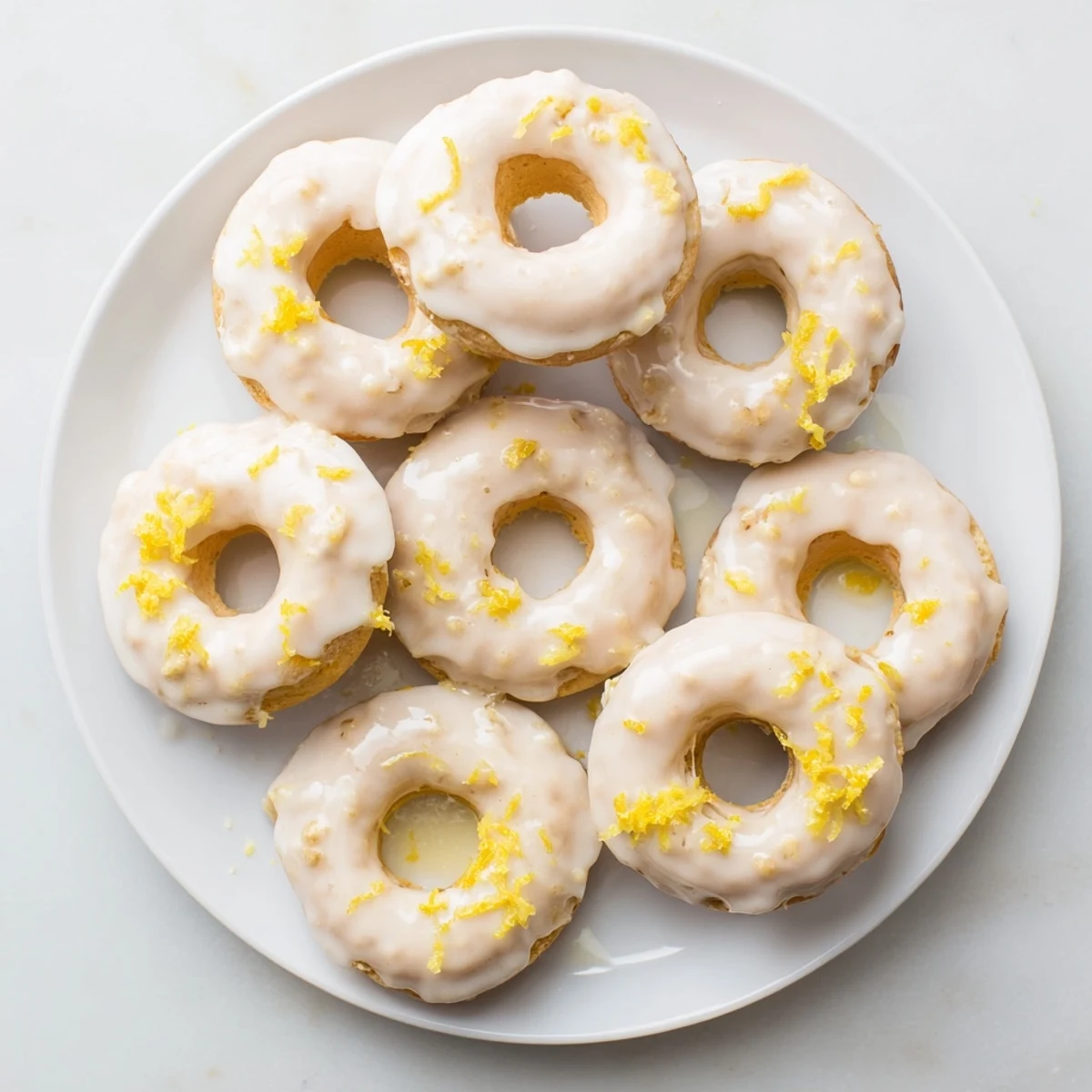
Save These mochi donuts combine the chewy texture of Japanese rice flour with vibrant citrus notes. Sweet rice flour creates their signature bounce, while fresh lemon juice and zest provide bright flavor throughout each tender ring.
The donuts emerge from the oven with a light golden exterior and soft interior. A quick dip in the tangy powdered sugar glaze adds the perfect sweet finish. Best enjoyed fresh while the glaze is still slightly tacky.
This fusion treat brings together Japanese mochi-making techniques with classic American donut shapes. Naturally gluten-free thanks to mochiko flour, they offer a delightful alternative to traditional wheat-based versions.
The first time I bit into a mochi donut, I was confused in the best way possible. Was it a donut? Was it mochi? Why was my brain so delighted? I spent the next month tinkering with flavors until this lemon version emerged from a particularly sunny Saturday morning when the market had the most fragrant lemons I'd ever seen.
My friend Sarah came over during recipe testing and accidentally ate three while standing at the counter. She kept saying 'just one more to be sure' until the batch was gone. Now she requests them for every brunch, and I've learned to double the recipe if she's coming over.
Ingredients
- Sweet rice flour (mochiko): This is the non-negotiable star that creates that signature chew. Regular rice flour won't give you the same bounce.
- Granulated sugar: Sweetens and helps create that golden exterior. Don't reduce this or the texture suffers.
- Baking powder: Gives the donuts their lift. Make sure yours is fresh or they'll be dense.
- Fine sea salt: Balances the lemon's brightness. I use sea salt for the clean finish.
- Eggs: Structure and richness. Room temperature eggs incorporate much better into the batter.
- Whole milk: Creates a tender crumb. I've tried skim and the texture just isn't the same.
- Unsalted butter: Melted so it incorporates evenly. The butter flavor rounds out the sharp lemon.
- Fresh lemon juice: Use freshly squeezed. Bottled juice has a strange metallic aftertaste.
- Lemon zest: This is where the real lemon intensity lives. Zest thoroughly and avoid the bitter white pith.
- Pure vanilla extract: Adds warmth and depth. Pure extract matters here.
- Powdered sugar: Creates the silky glaze. Sifting prevents lumps that ruin the smooth finish.
Instructions
- Get your oven ready:
- Preheat to 350°F and grease your donut pan thoroughly. I use a pastry brush for even coverage.
- Whisk the dry ingredients:
- Combine mochiko, sugar, baking powder, and salt in a large bowl. Get any lumps out now.
- Mix the wet ingredients:
- Beat the eggs first, then whisk in milk, melted butter, lemon juice, zest, and vanilla until smooth.
- Bring it together:
- Pour wet into dry and stir until just combined. The batter will be thick and glossy. Don't overmix or they get tough.
- Fill the pan:
- Spoon into a piping bag and pipe into donut cavities, filling each about 3/4 full. This part is weirdly satisfying.
- Bake until golden:
- Bake 18 to 20 minutes until puffed and lightly golden. A toothpick should come out clean.
- Cool completely:
- Let them rest in the pan 5 minutes, then move to a wire rack. Warm donuts melt the glaze right off.
- Make the glaze:
- Whisk powdered sugar, lemon juice, and zest until smooth and pourable. Add more juice if too thick.
- Glaze and enjoy:
- Dip cooled donuts into the glaze, let excess drip off, and place back on the rack to set.
 Save
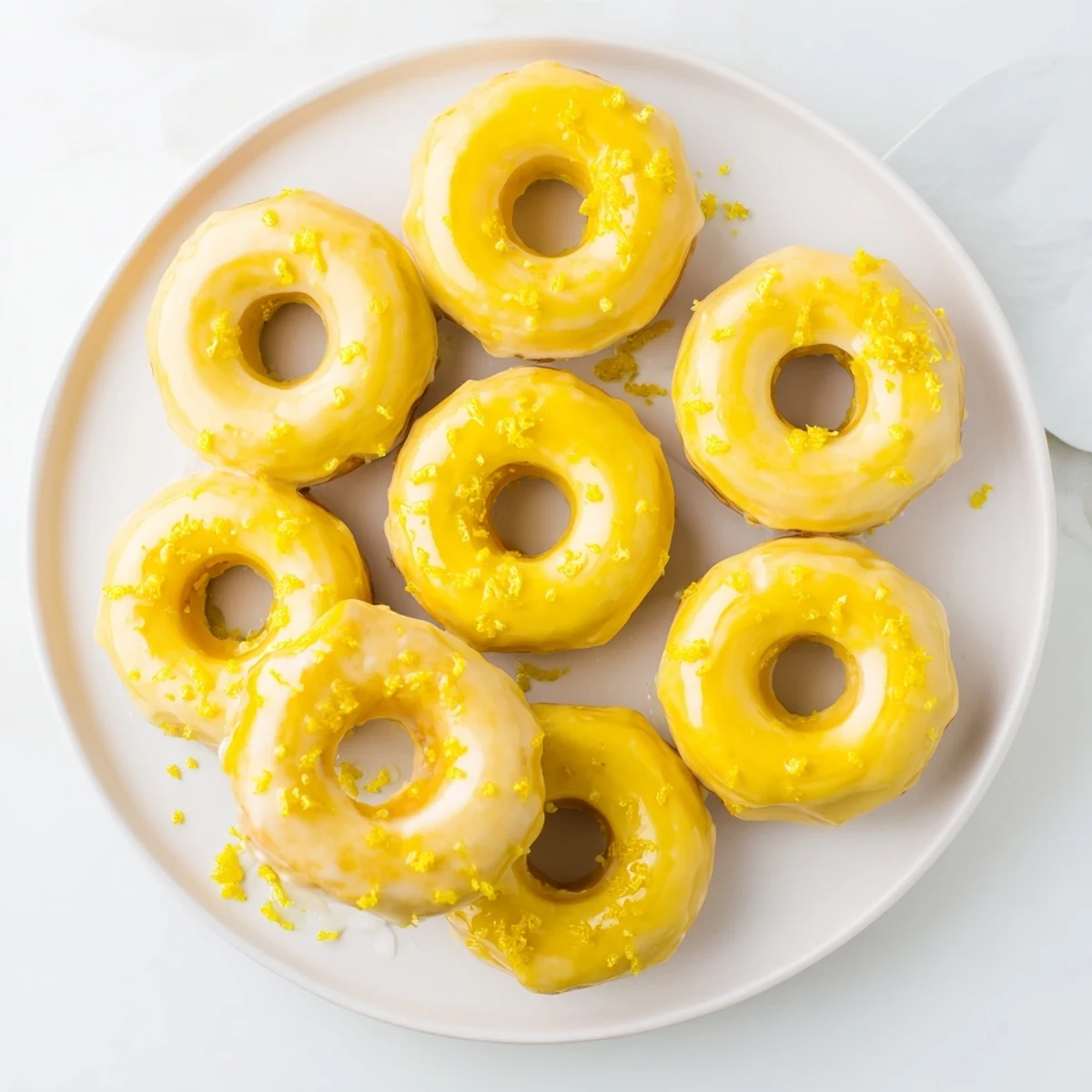
Save Last summer I made these for my niece's birthday and she told me they tasted like sunshine. Now every time I see lemons at the market, I think of her sticky fingers and the way she'd lick the glaze off first. Food memories stick that way sometimes.
Getting the Perfect Texture
The mochi texture comes from the sweet rice flour reacting to moisture and heat. You'll know it's working when the donuts spring back when you press them gently. Underbaked and they're gummy, overbaked and they lose that characteristic chew. The sweet spot is when they're golden but still feel slightly soft to the touch.
Glaze Like a Pro
Timing is everything with the glaze. Too soon and it slides right off, too late and it doesn't adhere properly. I test by dipping a spoon—if the glaze coats the back evenly and drips off slowly, you're ready. Hold each donut by the edges and give it a quick dip, then twirl gently to let the excess drip before setting it on the rack.
Make Ahead & Storage
You can make the batter the night before and store it in the refrigerator. Actually, I think the texture improves after a cold rest—the flour hydrates more fully. When you're ready to bake, give the batter a quick stir and pipe as usual. The glaze is best made fresh though, since it hardens in the fridge.
- Don't glaze until you're ready to serve
- Store unglazed donuts in an airtight container
- Refresh day-old donuts in the microwave for 10 seconds
 Save
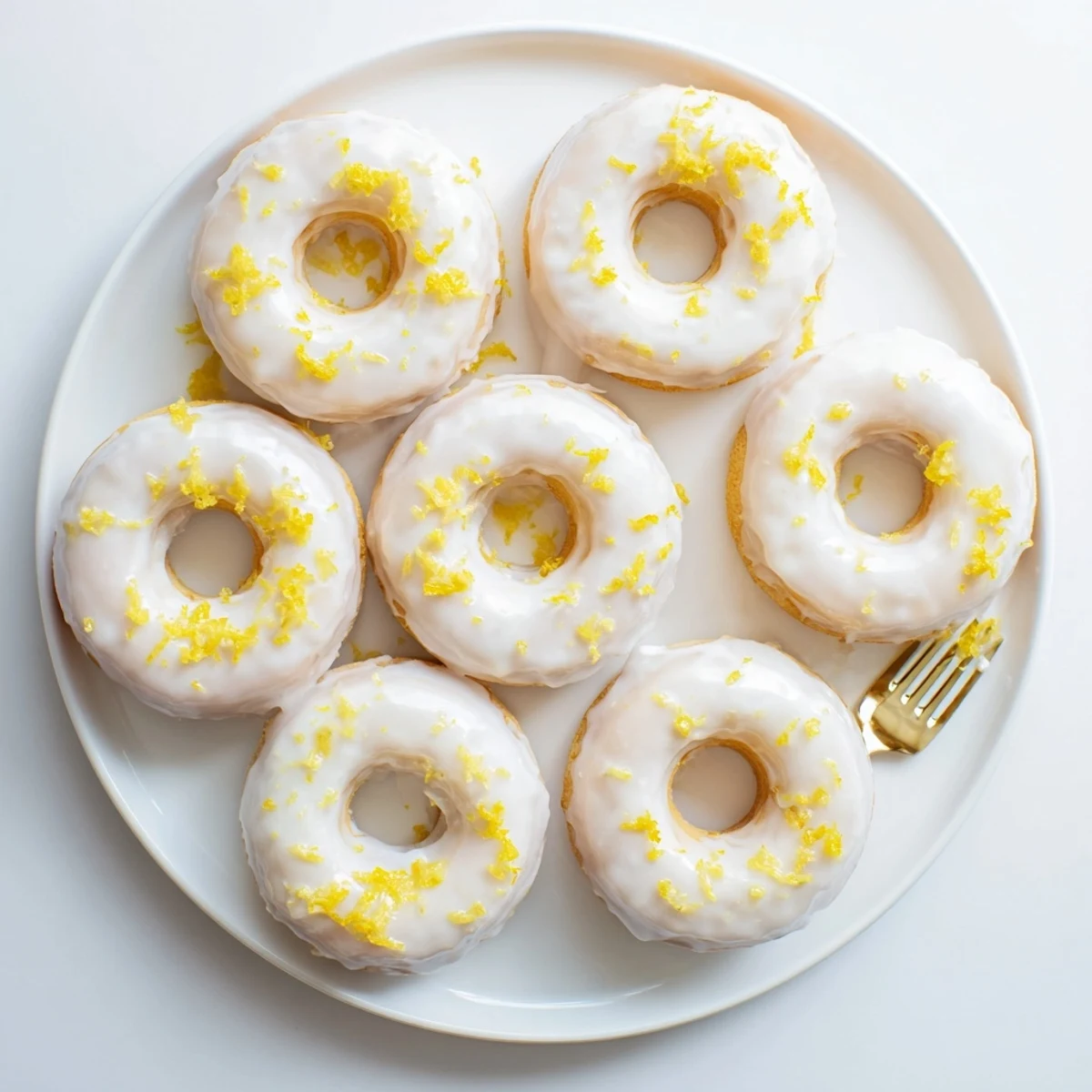
Save There's something joyful about food that's both familiar and entirely new. These donuts have become my go-to for whenever I need to brighten someone's day, including my own.
Recipe Questions
- → What makes mochi donuts chewy?
-
The chewy texture comes from sweet rice flour (mochiko), which has unique sticky properties when baked. Unlike wheat flour, mochiko creates a pleasantly bouncy, elastic consistency that's characteristic of Japanese mochi desserts.
- → Are these donuts gluten-free?
-
Yes, these donuts are naturally gluten-free since they use mochiko (sweet rice flour) instead of wheat flour. Always verify that your baking powder and other ingredients are certified gluten-free if you have celiac disease or severe gluten sensitivity.
- → Can I make these dairy-free?
-
Absolutely. Substitute the whole milk with almond milk, oat milk, or coconut milk. Replace the melted butter with coconut oil or a dairy-free butter alternative. The texture and flavor remain excellent with these swaps.
- → Why is my donut batter thick or sticky?
-
Mochi batter is naturally thicker and stickier than traditional donut batter due to the rice flour. This is normal and expected. If it seems too thick to pipe, add just one teaspoon of milk at a time until it reaches a pipeable consistency.
- → How should I store leftover donuts?
-
Store in an airtight container at room temperature for up to 2 days. The glaze may soften over time. For longer storage, freeze unglazed donuts for up to a month and glaze after thawing. They're best enjoyed the same day while the texture is optimal.
- → Can I use a donut pan alternative?
-
If you don't have a donut pan, you can use a muffin tin for mochi muffins instead. Adjust baking time to 15-18 minutes. Alternatively, pipe freeform rings onto a parchment-lined baking sheet, though they may spread slightly during baking.