
 Save
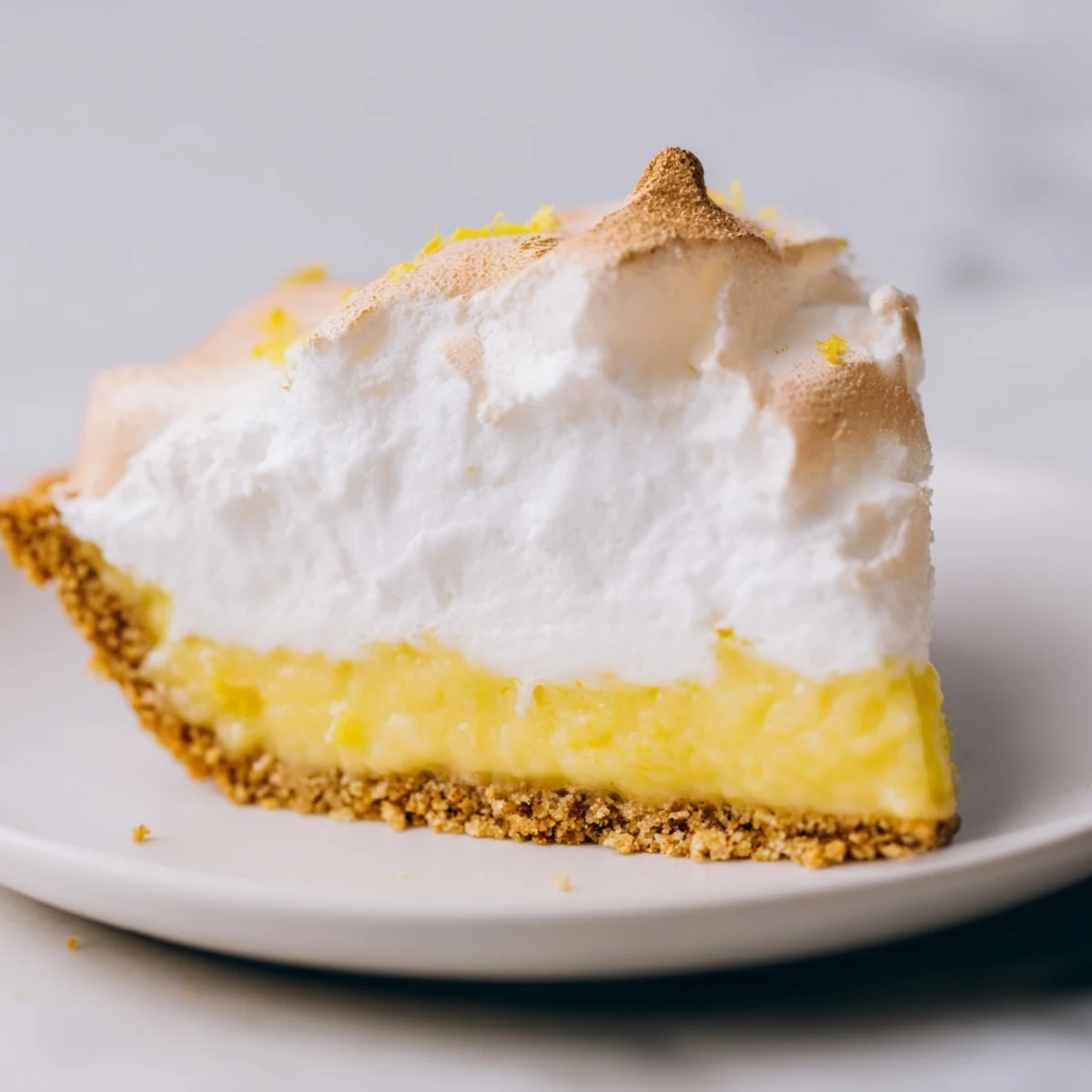
Save This dessert features a crisp graham cracker crust layered with a tangy lemon filling and topped with fluffy toasted meringue. The dessert balances sweet and tart flavors perfectly, chilled to set for a refreshing treat. The crust provides a buttery, slightly crunchy base, while the lemon filling is smooth and zesty, complemented by glossy peaks of meringue that bake to a golden finish. Perfect for serving chilled with a cup of tea or a fruity glass of wine.
There's something about lemon meringue pie that makes people slow down at the dessert table. I learned to make this one on an ordinary Thursday afternoon when my aunt pulled a golden-topped pie from the oven and the entire kitchen filled with the brightness of lemon and toasted egg whites. She taught me that day that the magic isn't in doing something complicated—it's in understanding why each layer matters and respecting the balance between tart filling and sweet meringue.
I made this pie for the first time during a dinner party where I'd promised something homemade but run out of time for complexity. As I spread the meringue across that hot lemon filling, watching it puff and brown in the oven, I realized I'd accidentally created the perfect dessert for a crowded table—impressive enough to feel intentional, but simple enough that I could actually enjoy the evening instead of panicking in the kitchen.
Ingredients
- Graham Cracker Crumbs (1½ cups): Use fresh crumbs from actual graham crackers—the texture matters more than you'd think, and it makes the crust crisp instead of sandy.
- Granulated Sugar (1 cup for filling): This thickens slightly as it cooks, so don't skip it even though it seems like a lot.
- Cornstarch (¼ cup): The secret that prevents a weepy filling; it stabilizes the moisture without making the pie starchy or heavy.
- Fresh Lemon Juice (½ cup): Don't use bottled—the difference between real lemons and the plastic bottle is the entire point of this pie.
- Lemon Zest (1 tbsp): This tiny amount creates an almost imperceptible brightness that makes people ask what the secret ingredient is.
- Egg Yolks (4 large): The yolks make the filling custard-like and rich; save the whites for meringue.
- Egg Whites (4 large): These should be at room temperature so they whip to their full, cloud-like potential.
- Cream of Tartar (¼ tsp): A small amount that stabilizes the whites and helps the meringue hold its shape through baking.
- Unsalted Butter (8 tbsp total): Melted butter in the crust helps everything bind; butter stirred into the filling adds richness that sugar alone cannot.
Instructions
- Prepare Your Foundation:
- Preheat to 350°F and mix graham cracker crumbs with sugar, salt, and melted butter—the mixture should feel like damp sand. Press it firmly into your pie dish, going up the sides with even pressure, then bake for 8–10 minutes until just golden at the edges.
- Build the Filling Base:
- Whisk sugar, cornstarch, and salt in a saucepan, then gradually add water while whisking to avoid lumps. Cook over medium heat, stirring constantly, until the mixture thickens and comes to a boil—you'll feel the texture change under the whisk, becoming suddenly smooth and glossy.
- Temper the Yolks:
- Beat egg yolks lightly in a separate bowl, then slowly whisk in about half a cup of the hot mixture to warm them gradually. This prevents scrambled eggs and creates a silky custard instead.
- Finish the Filling:
- Return the tempered yolks to the saucepan while whisking constantly, cook for 2 minutes, then remove from heat and stir in fresh lemon juice, zest, and butter until everything is smooth and glossy. Pour into your cooled crust and let it sit while you make the meringue.
- Whip the Meringue:
- In a completely clean bowl with an electric mixer, beat egg whites with cream of tartar until soft peaks form—the whites should look like shaving cream at this stage. Gradually add sugar while beating, watching the peaks become stiff and glossy, then beat in vanilla extract.
- Assemble and Bake:
- Spread meringue over the hot lemon filling, making sure it touches the crust all the way around to seal it and prevent shrinking. Use the back of a spoon to create gentle peaks and valleys across the top, then bake at 350°F for 15–18 minutes until the peaks turn golden brown.
- Cool with Patience:
- Let the pie cool at room temperature for a full hour before chilling—this gradual cooling prevents cracks and helps the filling set properly. Chill for at least one more hour before slicing.
 Save
Save I remember the first time I made this pie without rushing it, and how my family went quiet for a moment when they took that first bite—not because it was fancy, but because they could taste the difference between something assembled quickly and something made with intention. That quiet moment felt like the real success of the recipe.
Why the Graham Cracker Crust Works
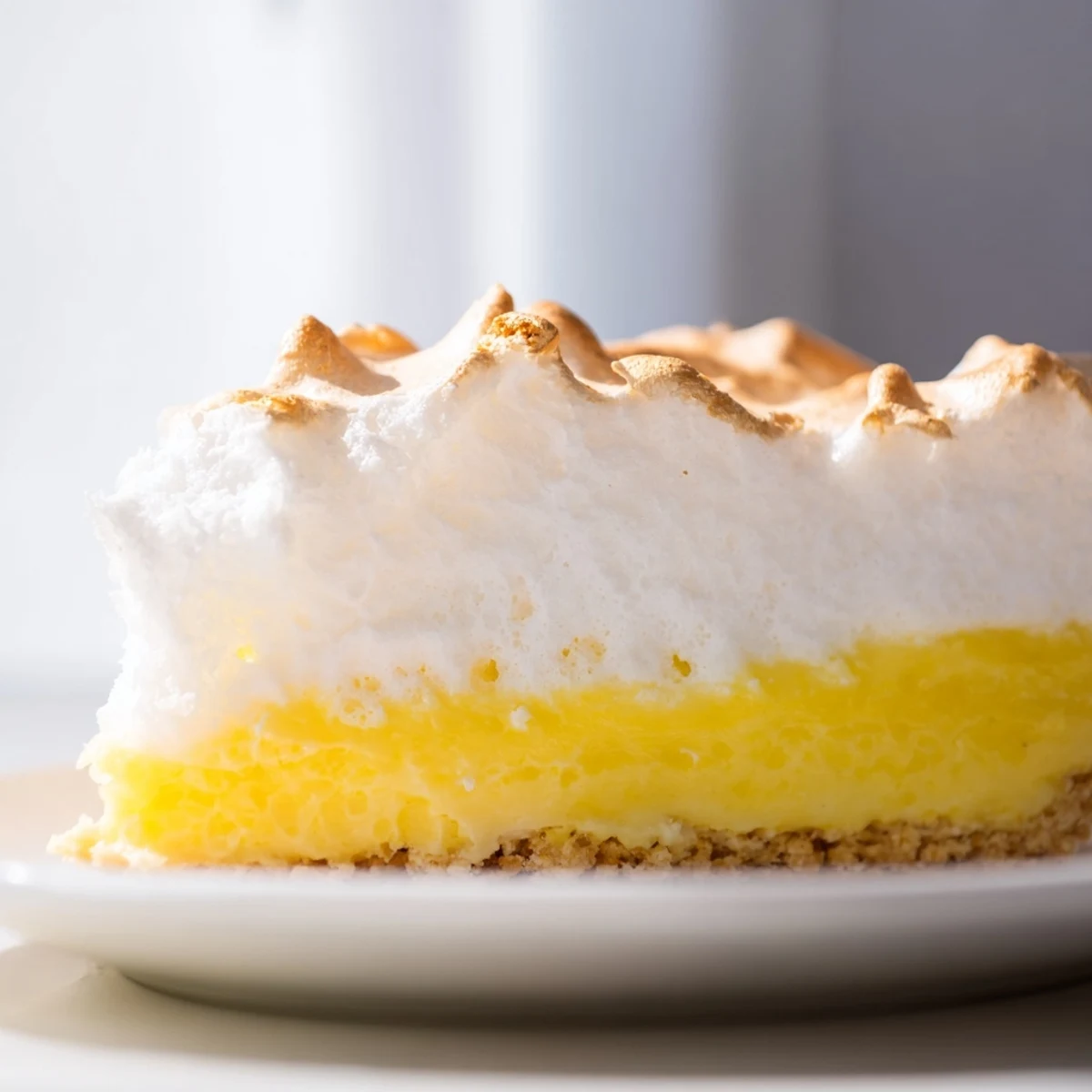
A traditional pie crust requires technique and patience, but this shortcut tastes intentional, not lazy. The graham cracker crust has a mild sweetness and natural crunch that complements the bright lemon filling without competing with it. When you bite through it, you get three distinct textures—the crisp, buttery crust, the smooth custard filling, and the airy meringue on top—which is exactly why this combination has remained classic for so long.
The Science of the Filling
The cornstarch in the filling isn't just a thickener—it's a moisture regulator that prevents that heartbreaking layer of liquid from pooling under the meringue. The egg yolks create richness and body, while the lemon juice provides the tartness that keeps the sweetness from feeling cloying. This balance is delicate but not fragile; as long as you temper the yolks properly and don't skip the cooling step, the filling will set beautifully.
Meringue Mastery and Storage
Meringue is often treated like something temperamental and mysterious, but it's actually straightforward once you understand what's happening. The cream of tartar stabilizes the egg whites so they hold their structure through baking, and the slow addition of sugar creates tiny crystals that keep the meringue glossy instead of grainy. This pie is best served the same day it's made—the meringue stays crisp on the outside and tender within, and the filling maintains its perfect texture.
- Store leftovers covered loosely with plastic wrap at room temperature for a few hours, but refrigerating overnight will cause the meringue to weep slightly.
- You can make the crust and filling the day before, then top with meringue and bake just before serving.
- If you have gluten concerns, certified gluten-free graham crackers work perfectly in the crust with no other adjustments needed.
 Save
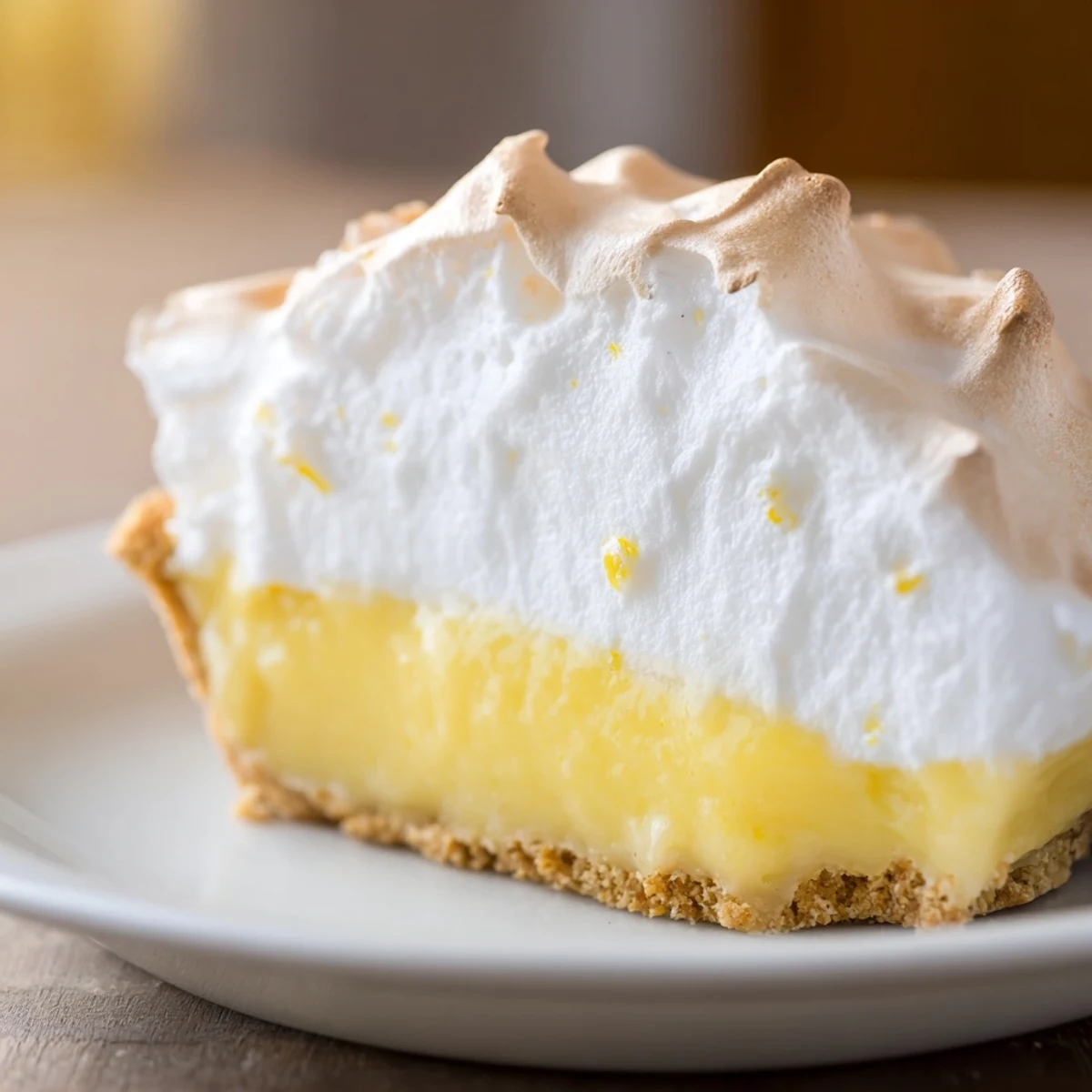
Save This pie is the kind of dessert that makes people feel cared for without requiring you to spend all day in the kitchen. Serve it with tea or a slightly sweet wine, and watch people slow down to actually taste it.
Recipe Questions
- → What makes the crust crisp?
-
The crust combines graham cracker crumbs with melted butter and sugar, baked briefly to develop a firm, golden base.
- → How is the lemon filling thickened?
-
Cornstarch is cooked with sugar and lemon juice, then tempered with egg yolks to create a smooth, thickened filling.
- → How do you achieve fluffy meringue peaks?
-
Egg whites are beaten with cream of tartar until soft peaks form, then sugar is added gradually and beaten until stiff, glossy peaks develop.
- → Can the dessert be prepared in advance?
-
Yes, chilling the dessert overnight allows the filling to firm up, enhancing the texture and flavor.
- → What is the best way to prevent meringue from weeping?
-
Serving the dessert the day it’s made and ensuring the meringue is baked until golden helps prevent moisture release.