
 Save
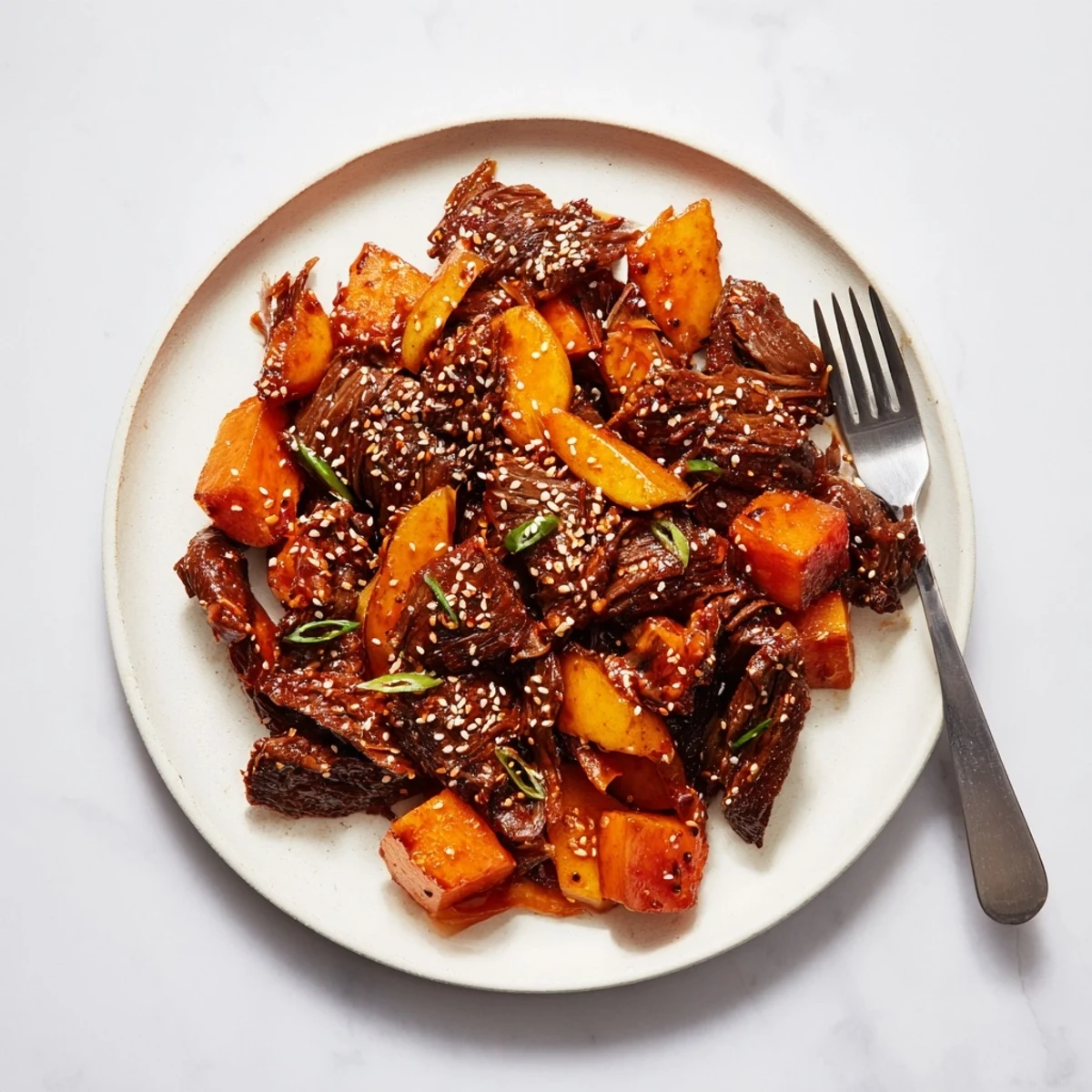
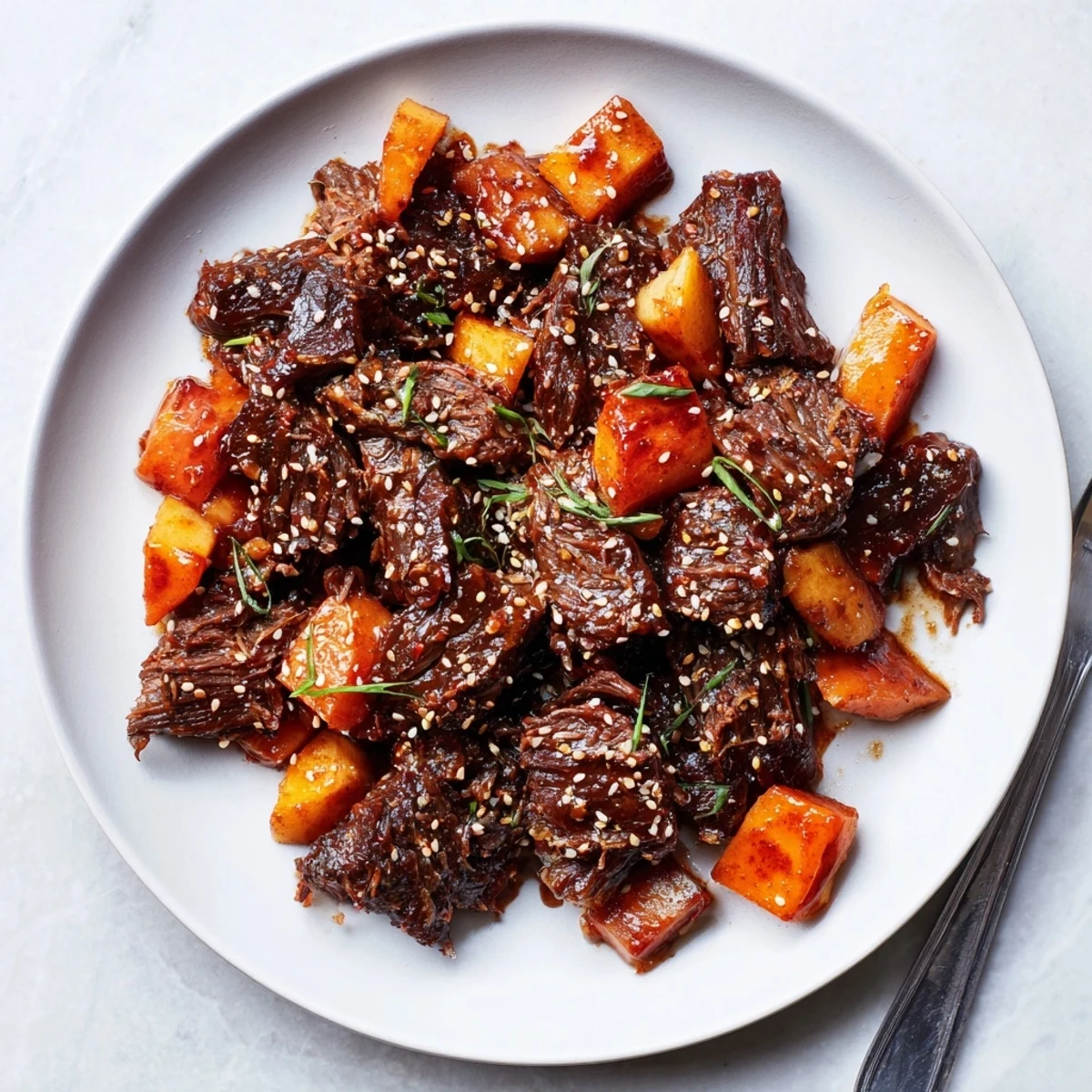
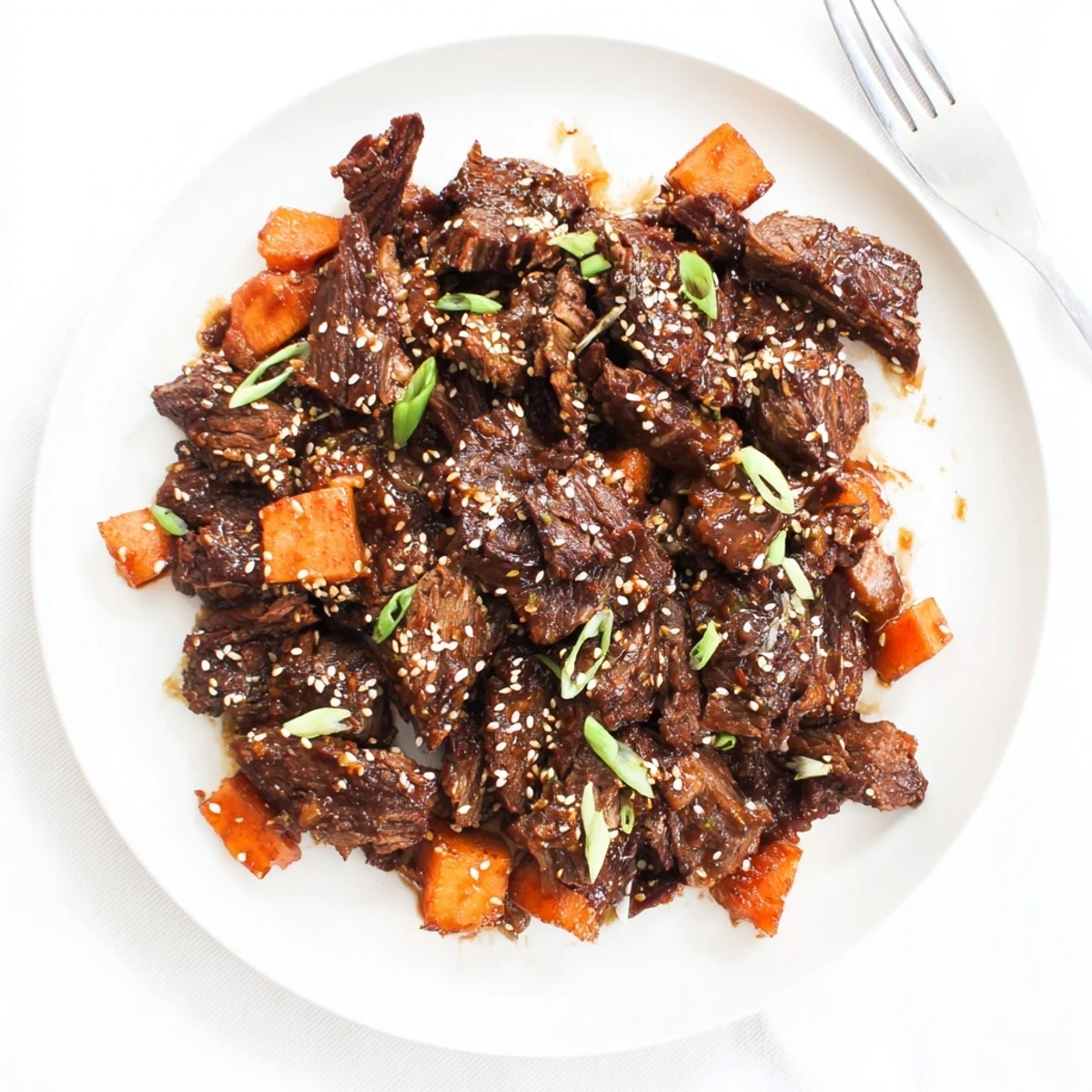
Save This meltingly tender beef chuck roast transforms after three hours in the oven, absorbing a rich Korean-inspired sauce. The savory-sweet blend of soy sauce, gochujang, sesame oil, ginger, and garlic creates deep umami flavors that penetrate every fiber of the meat. Root vegetables like carrots and daikon radish cook alongside, becoming tender and soaking up the flavorful braising liquid.
The result is fork-shreddable beef with a gorgeous dark caramelized exterior. Serve over steamed rice to let the thickened sauce coat each bite, or alongside tangy kimchi to cut through the richness. The dish improves overnight, making it perfect for meal prep or feeding a crowd.
The first time I made this Korean-inspired pot roast, my kitchen smelled like a marriage between my grandmother's Sunday pot roast and the little Korean restaurant downtown. My husband walked in from work and immediately asked what I was up to, because the aroma of sesame, garlic, and slowly braising beef had wrapped itself around the entire house. That evening, we stood at the counter picking at the tender shreds of beef with forks because we couldn't wait to sit down properly.
I made this for a friend who swore she hated pot roast because she grew up with the bland, gray version of Sunday dinners. She called me two days later asking for the recipe, saying her kids had actually asked for seconds and she'd never seen them eat carrots so willingly. There's something about the gochujang and ginger that wakes up the whole dish without making it too spicy for people who usually prefer mild food.
Ingredients
- Beef chuck roast: Chuck is the cut that transforms from tough to meltingly tender with long, slow cooking, and the marbling keeps everything juicy and rich.
- Kosher salt and black pepper: A simple seasoning base that helps develop a beautiful crust during searing.
- Soy sauce: Use low-sodium so you can control the salt level while still getting that deep umami foundation.
- Beef broth: Adds body and depth to the braising liquid without overpowering the other flavors.
- Brown sugar: Balances the salty elements and helps create that gorgeous caramelized exterior on the roast.
- Rice vinegar: Adds a subtle brightness that cuts through the richness of the beef.
- Gochujang: This Korean chili paste brings mild heat and a fermented depth that makes the sauce taste complex and interesting.
- Sesame oil: Toasted sesame oil is intensely aromatic, so a little goes a long way.
- Fresh ginger: Grated fresh ginger brings a warm, spicy brightness that dried ginger can never quite replicate.
- Garlic: Six cloves might seem like a lot, but garlic mellows beautifully during long braising.
- Yellow onion: Slices become sweet and translucent, melting into the sauce as they cook.
- Carrots: Cut them into large chunks so they don't completely disappear during the long cooking time.
- Daikon radish: This Asian radish absorbs the sauce and becomes incredibly tender and slightly sweet.
- Scallions: Whole scallions add a mild onion flavor and look beautiful draped over the finished dish.
- Toasted sesame seeds: The final touch adds nuttiness and a lovely textural contrast.
Instructions
- Preheat your oven:
- Get it to 325°F so it's ready when you are.
- Season the beef:
- Pat the roast dry with paper towels, then sprinkle salt and pepper all over every surface.
- Sear to perfection:
- Heat a Dutch oven over medium-high, add oil, and brown the roast deeply on all sides for about 3-4 minutes each.
- Build the foundation:
- Sauté the sliced onion in the same pot for a few minutes until it starts to soften and smell sweet.
- Whisk the sauce:
- Combine soy sauce, broth, brown sugar, rice vinegar, gochujang, sesame oil, honey, ginger, and garlic in a bowl.
- Assemble everything:
- Return the beef to the pot, scatter carrots, daikon, and scallions around it, then pour the sauce over everything.
- Start the braise:
- Bring the liquid to a simmer on the stove, then cover tightly and move to the oven.
- Let it work:
- Cook for 3 hours until the beef shreds easily with a fork.
- Finish with care:
- Remove the meat and vegetables to a platter, skim excess fat from the sauce, and reduce on the stove if you want it thicker.
- Serve it up:
- Slice or shred the beef, spoon that gorgeous sauce and vegetables over the top, and finish with sesame seeds and fresh scallions.
 Save
Save This recipe became my go-to for snow days and Sunday evenings when I want something comforting but not heavy. The house fills with this incredible aroma that makes everyone gravitate toward the kitchen, asking what time we're eating. It's the kind of food that makes people feel taken care of before they even take their first bite.
Making It Your Own
I've made this with different cuts of beef when chuck wasn't available, and while chuck remains my favorite, a boneless short rib version is absolutely luxurious. You can adjust the heat level by adding more gochujang or a pinch of red pepper flakes if your family likes things spicier. Sometimes I throw in some baby bok choy during the last twenty minutes of cooking for extra vegetables and a pop of green color.
Getting Ahead
This pot roast actually tastes better the next day, so I often make it a day ahead and reheat it gently. The flavors have time to marry and the sauce thickens even more in the refrigerator. You can also prep all the ingredients the night before, keeping the sauce separate from the meat and vegetables until you're ready to cook.
Serving Ideas
Steamed white rice is the classic choice because it soaks up that incredible sauce, but I've also served this over mashed potatoes for extra comfort. Kimchi on the side adds brightness and crunch that cuts through the richness. If you want something lighter, a crisp cucumber salad dressed with rice vinegar works beautifully.
- Reserve some sauce to serve at the table because everyone will want extra.
- Don't forget to warn guests about the whole scallions they might mistake for something else.
- This reheats beautifully for lunch the next day tucked into warm tortillas.
 Save
Save There's something deeply satisfying about a recipe that transforms simple ingredients into something this special. I hope this pot roast finds its way into your regular rotation and creates as many warm moments around your table as it has around mine.
Recipe Questions
- → What cut of beef works best?
-
Chuck roast is ideal because its marbling and connective tissue break down during long cooking, creating succulent, tender meat that shreds easily.
- → Can I make this in a slow cooker?
-
Yes. Sear the beef first, then transfer everything to your slow cooker. Cook on low for 7-8 hours or high for 4-5 hours until fork-tender.
- → What can I substitute for gochujang?
-
Mix equal parts tomato paste and miso paste with a dash of sriracha or red pepper flakes. It won't be identical but will provide similar depth and heat.
- → How spicy is this dish?
-
The gochujang provides mild to medium heat. For more spice, add additional chili paste or red pepper flakes. The sweetness balances the heat nicely.
- → Can I prepare this ahead?
-
This actually tastes better the next day as flavors deepen. Make it up to 3 days ahead, refrigerate, then reheat gently on the stove. The fat will solidify for easy removal.
- → What sides complement this dish?
-
Steamed white or brown rice is classic. Kimchi adds bright acidity, while simple steamed bok choy or sautéed spinach with garlic rounds out the meal.