
 Save
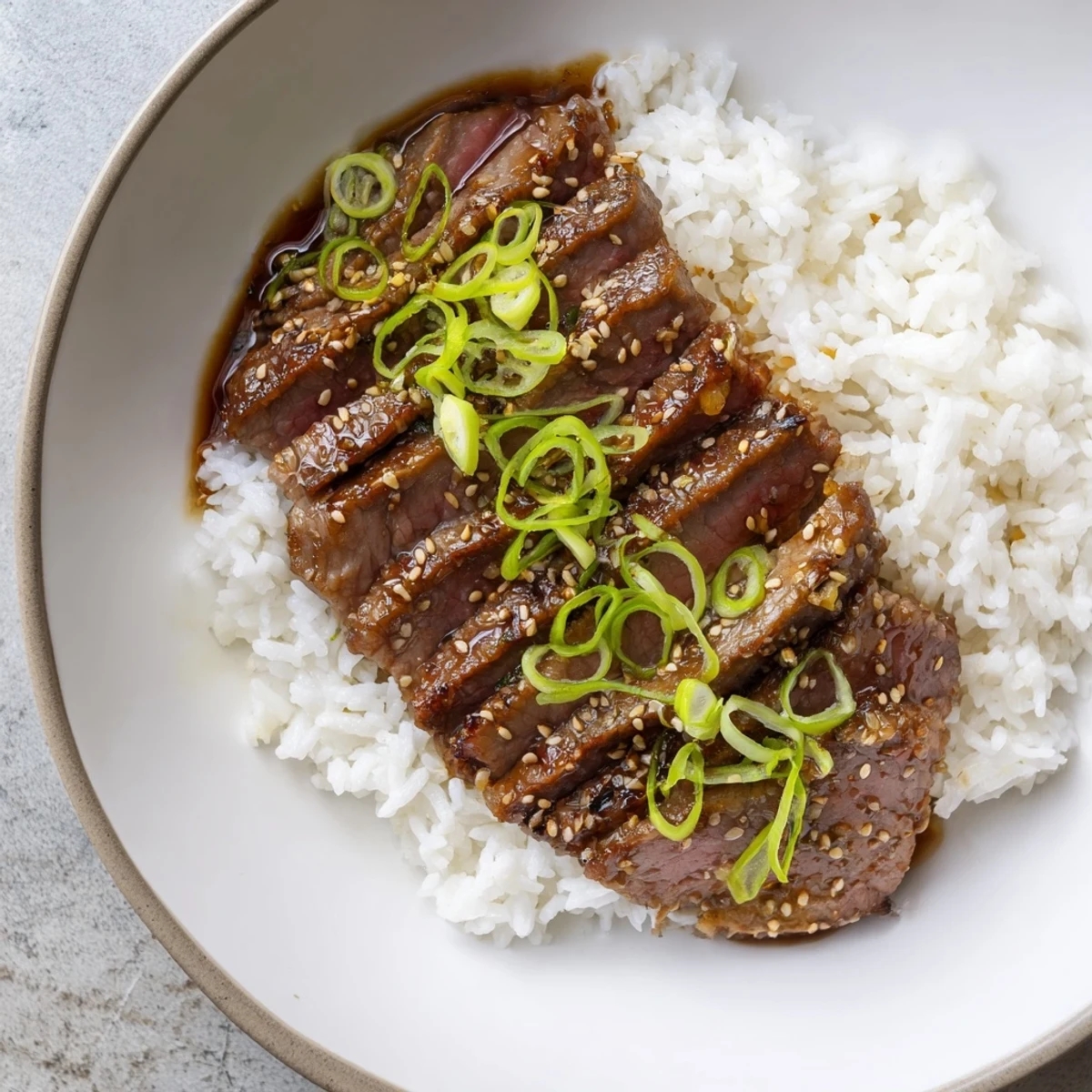
Save A quick, savory-sweet Korean-style beef using thinly sliced sirloin or flank, marinated in soy, brown sugar, sesame oil, garlic and grated ginger. Let sit 10-60 minutes, then stir-fry over high heat for 3-4 minutes until browned. Toss with green onions and sesame seeds and serve hot over steamed rice. Swap in tofu or chicken and add bell peppers or broccoli for extra veg; use tamari to make it gluten-free.
The sizzle of beef hitting a screaming hot wok on a Tuesday evening changed my entire approach to weeknight cooking. I had ordered Korean takeout so many times that my delivery guy knew my name, but one rainy evening I decided to replicate it myself with nothing but a half frozen sirloin and blind confidence. The smell of sesame oil and caramelizing brown sugar filled my apartment so completely that my neighbor actually knocked to ask what I was making. That dish cost me a fraction of my takeout bill and tasted infinitely better.
I made this for my sister when she was going through a brutal work week and could barely remember to eat. She sat at my kitchen counter in sweatpants, chopsticks in hand, and went completely silent for about three minutes straight. That silence told me everything I needed to know about whether the recipe worked.
Ingredients
- 500 g (1 lb) beef sirloin or flank steak: Thinly sliced against the grain for maximum tenderness, and partially freezing the beef for twenty minutes before slicing makes this step effortless.
- 60 ml (1/4 cup) soy sauce: The salty backbone of the entire sauce, so choose a brand you genuinely enjoy.
- 2 tbsp brown sugar: This creates that irresistible sticky glaze that coats every piece of beef.
- 1 tbsp sesame oil: Just a small amount delivers that deeply nutty, toasty aroma that signals Korean flavors instantly.
- 2 cloves garlic, minced: Fresh garlic only, the jarred stuff simply will not give you the same punch.
- 1 tbsp fresh ginger, grated: I use a microplane for a fine paste that melts right into the sauce.
- 1 tbsp rice vinegar: A subtle brightness that stops the dish from feeling heavy.
- 1 tsp gochugaru (optional): These Korean chili flakes add smoky warmth rather than searing heat, so do not be afraid of them.
- 1/2 tsp black pepper: Just enough to round out the flavors.
- 4 green onions: Sliced thin for a fresh, sharp contrast to the rich beef.
- 2 tsp toasted sesame seeds: These add a delicate crunch and visual appeal that makes the dish feel finished.
- Steamed white rice: The essential bed for soaking up every drop of that sauce.
Instructions
- Mix the sauce:
- Whisk together the soy sauce, brown sugar, sesame oil, garlic, ginger, rice vinegar, gochugaru, and black pepper in a large bowl until the sugar dissolves and everything smells incredible.
- Marinate the beef:
- Toss your thinly sliced beef into the sauce, making sure every strip gets coated, then let it sit for at least ten minutes while you set up the rest of your ingredients.
- Cook the beef:
- Heat your skillet or wok over high heat until it is smoking slightly, then add the beef in a single layer and let it sear for three to four minutes, stirring occasionally, until deeply caramelized and cooked through.
- Add the finishing touches:
- Stir in half your green onions and one teaspoon of sesame seeds right in the pan so they soak up some of that gorgeous sauce.
- Serve and enjoy:
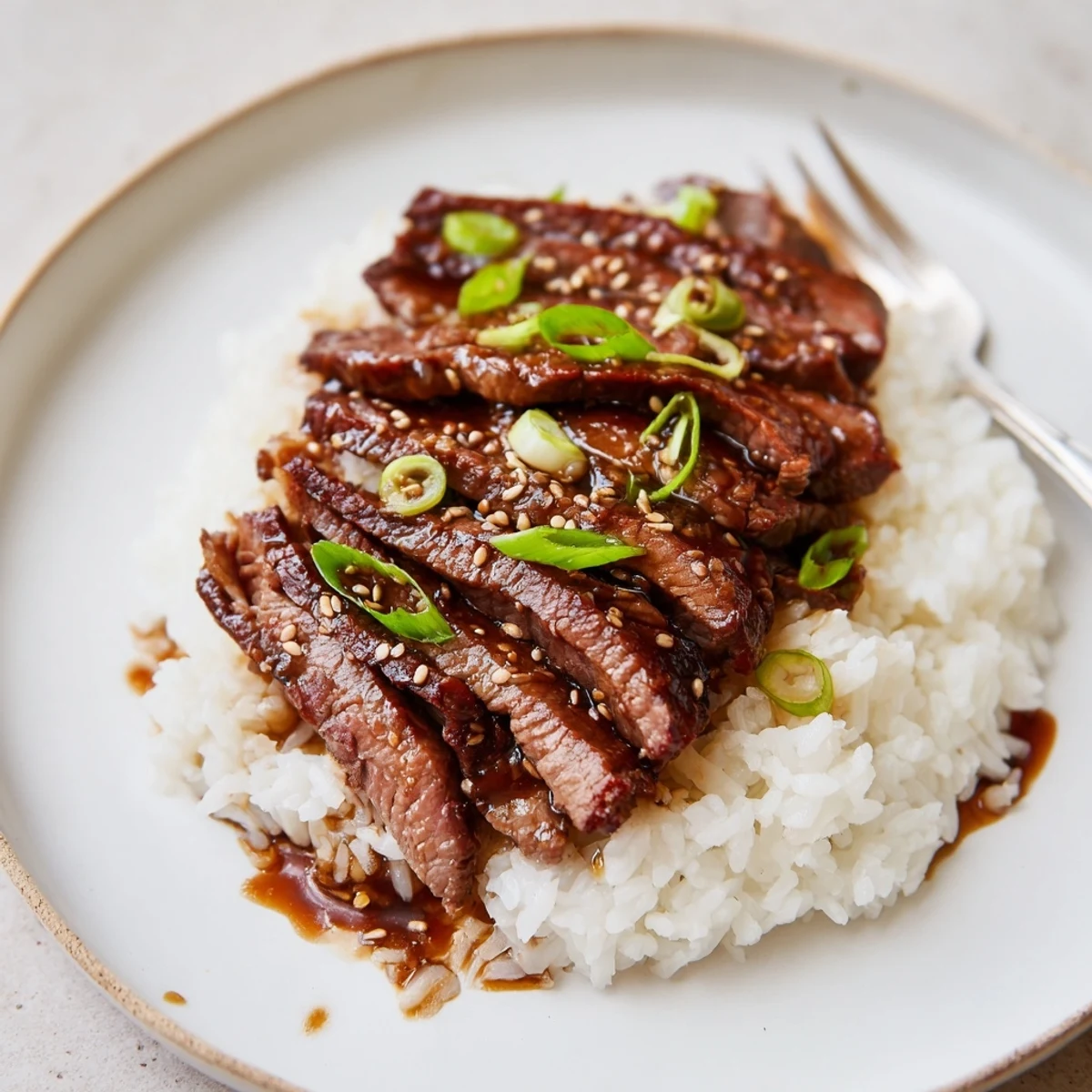
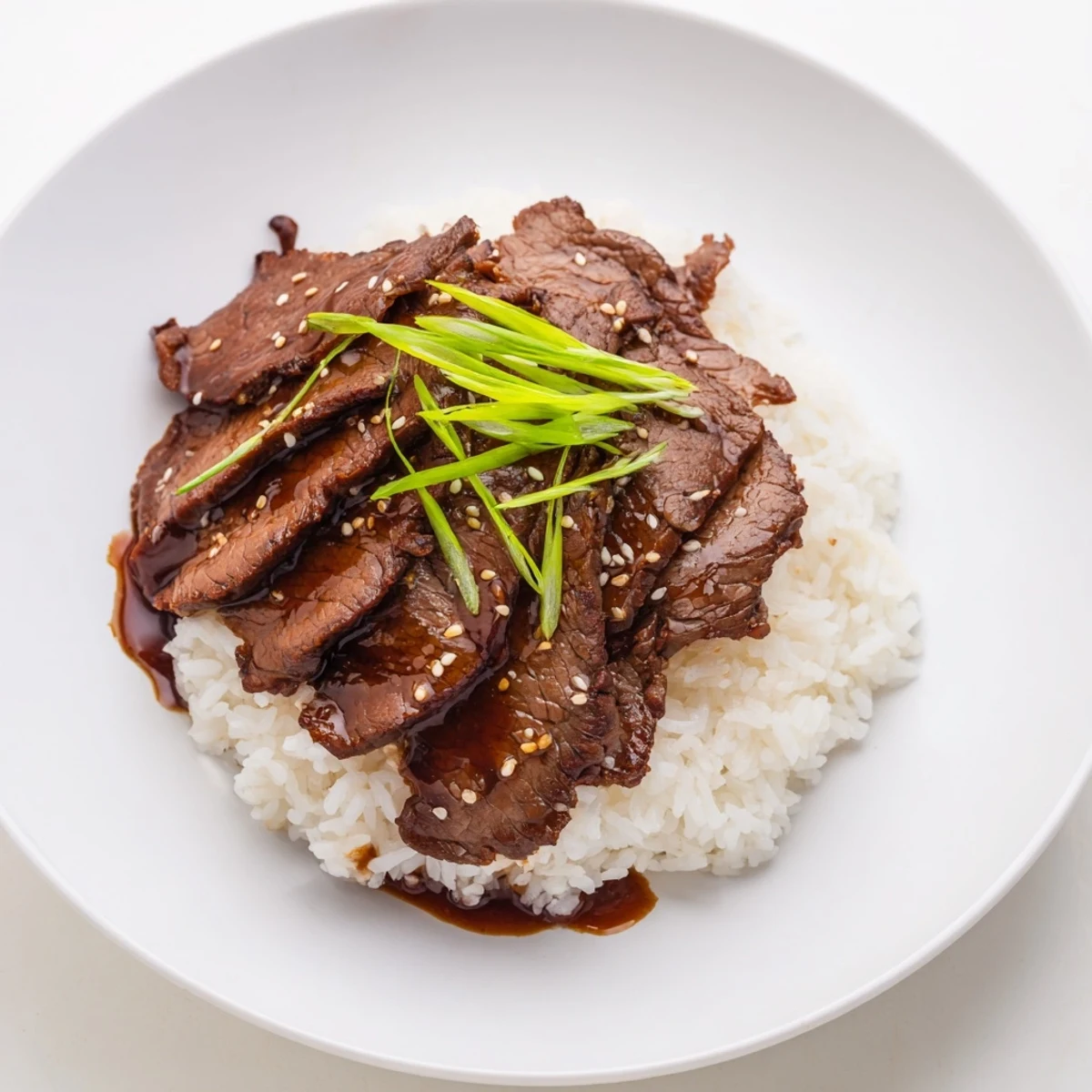
- Pile the hot beef over bowls of steamed rice and scatter the remaining green onions and sesame seeds on top.
 Save
Save The first time I plated this dish for friends, we ended up sitting around the table for two hours, trading stories and going back for seconds until the pan was scraped clean. Food does that sometimes, turning an ordinary evening into something you hold onto.
My Favorite Ways to Switch Things Up
I almost always toss in a handful of sliced bell peppers or broccoli florets during the last minute of cooking because the vegetables catch the sauce beautifully and make the meal feel more complete. My friend Dave swears by adding matchstick carrots for a bit of sweetness and color.
What to Drink Alongside
A cold lager is my default pairing because the crisp carbonation cuts through the richness of the beef and soy sauce. On warmer evenings, chilled soju served in small glasses turns the whole meal into a mini celebration.
Getting the Rice Just Right
Perfectly cooked rice matters more here than you might think, because it is the foundation that absorbs every bit of that savory sauce.
- Rinse your rice under cold water until it runs clear for the best texture.
- Let the cooked rice rest covered for five minutes before fluffing with a fork.
- A rice cooker is worth the counter space if you make this dish even once a month.
 Save
Save This recipe is proof that a handful of bold ingredients and a hot pan can create something extraordinary on even the most exhausted weeknight. Trust the sizzle and enjoy every bite.
Recipe Questions
- → What cut of beef works best?
-
Sirloin or flank steak work well because they slice thinly and sear quickly. Look for tender, evenly marbled pieces and slice against the grain for the best bite.
- → How long should I marinate the beef?
-
Allow at least 10 minutes for the flavors to penetrate; 30-60 minutes gives more depth. Even a short rest helps the soy and sugar balance the meat.
- → Can I add vegetables?
-
Yes — sliced bell peppers, carrots, snap peas or broccoli make great additions. Add firm veg earlier so they cook through and finish with quick-cooking greens like scallions.
- → How do I get a good sear without overcooking?
-
Use a hot skillet or wok and spread the beef in a single layer. Stir-fry quickly for 3-4 minutes until browned; avoid crowding the pan to maintain high heat and caramelization.
- → How can I make this gluten-free?
-
Swap regular soy sauce for tamari or a certified gluten-free soy sauce, and double-check any packaged ingredients like sesame oil for cross-contamination notes.
- → What’s the best way to reheat leftovers?
-
Rewarm gently in a skillet over medium heat with a splash of water or stock to loosen the sauce, or microwave briefly and stir to redistribute juices. Serve again over fresh steamed rice.