
 Save
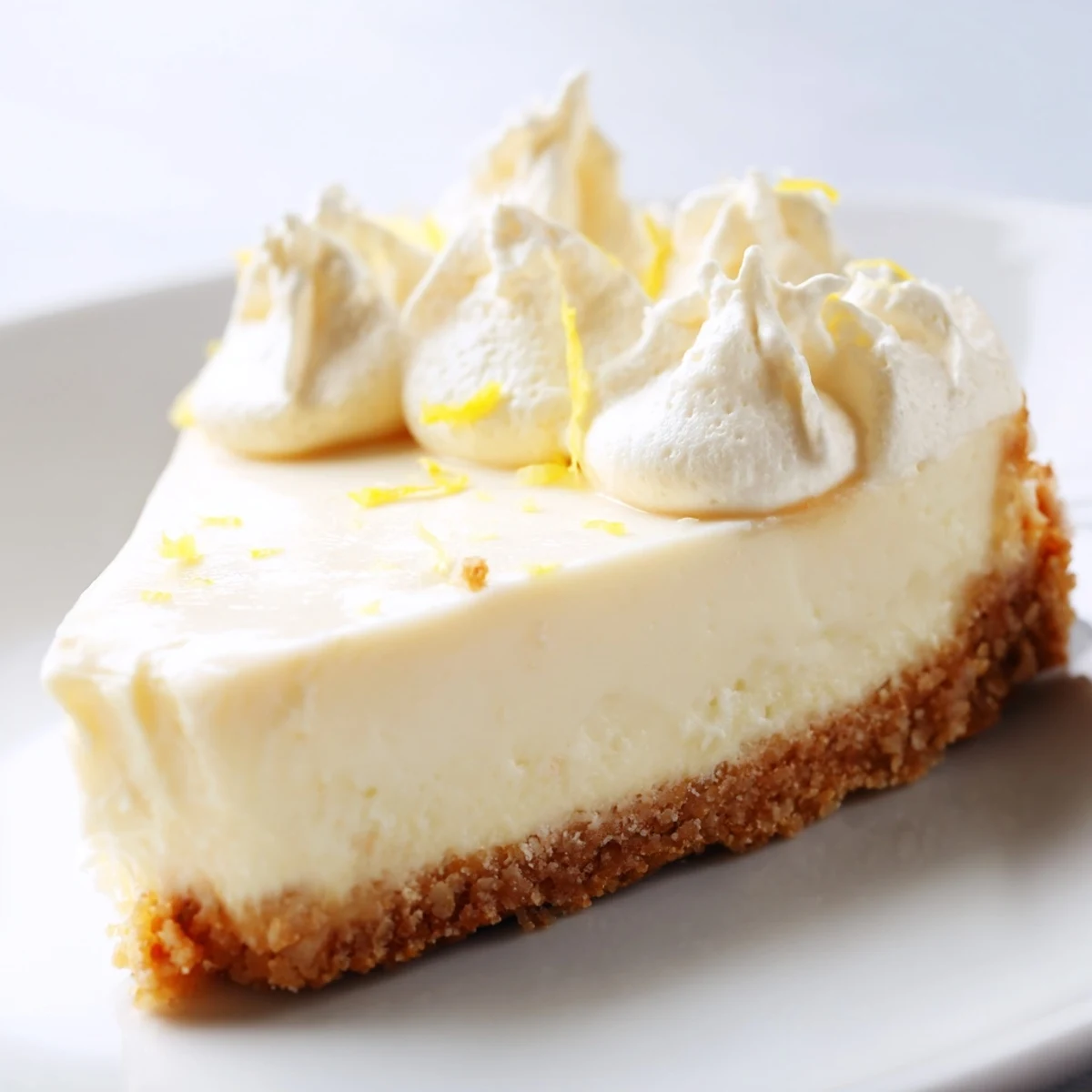
Save This creamy cheesecake combines full-fat Greek yogurt with smooth cream cheese to create a tangy, lighter texture. A crisp graham cracker crust complements the rich filling, enhanced by fresh lemon zest and juice. After baking and a long chill, the optional topping of sour cream or thick Greek yogurt sweetened with vanilla adds a finishing touch. Perfect served with fresh berries or fruit compote for added color and flavor.
The first time I made this Greek yogurt cheesecake, my husband took one bite and declared it better than any restaurant version he'd ever tasted. I'd been experimenting with lighter desserts, and the tanginess of Greek yogurt created this wonderfully balanced flavor that wasn't cloyingly sweet. The texture was somewhere between traditional New York style and something lighter and airier. Now it's become our go-to celebration dessert, requested at every family gathering.
I remember bringing this to a summer potluck last year, setting it on the dessert table among store bought cakes and cookies. Within ten minutes, people were asking who made the cheesecake. Watching friends go back for seconds, some even scraping their plates clean, made me realize this wasn't just another dessert recipe. There's something about the balance of creamy and tangy that makes people instantly comfortable, like they're eating something familiar yet entirely new.
Ingredients
- Graham crackers: I've learned that crushing them to fine crumbs creates the most stable crust that won't crumble when you slice
- Unsalted butter: Melt it completely and let it cool slightly before mixing, otherwise the crust can become greasy
- Full fat Greek yogurt: Don't skip the full fat part here, it's what creates that luxurious texture and prevents the cheesecake from becoming rubbery
- Cream cheese: Room temperature is non negotiable, I once made the mistake of using cold cream cheese and ended up with lumpy filling
- Cornstarch: This tiny amount is the secret to preventing cracks while keeping the texture silky smooth
- Lemon: Both zest and juice are essential, the zest gives aromatic brightness while the juice balances the sweetness
Instructions
- Prep your pan and crust:
- Line your springform pan with parchment paper, then pulse those graham crackers until they're fine crumbs. Mix in the melted butter, sugar, and salt until it feels like wet sand, then press it firmly into the bottom using the back of a measuring cup. Bake for just 10 minutes until fragrant.
- Make the silky filling:
- Beat your room temperature Greek yogurt, cream cheese, and sugar until completely smooth. Add eggs one at a time, really letting each incorporate before adding the next. Stir in vanilla, lemon zest, lemon juice, cornstarch, and salt until everything is combined.
- Bake with patience:
- Pour the filling over your cooled crust and smooth the top. Bake for 50 minutes until the center is just set but still has that slight wobble when you gently shake the pan. Turn off the oven, crack the door, and let it cool inside for an hour this gradual cooling prevents cracking.
- The waiting game:
- Let it cool completely at room temperature, then refrigerate for at least 4 hours, though overnight is even better. If making the optional topping, mix sour cream with powdered sugar and vanilla, then spread it over the chilled cheesecake before serving.
 Save
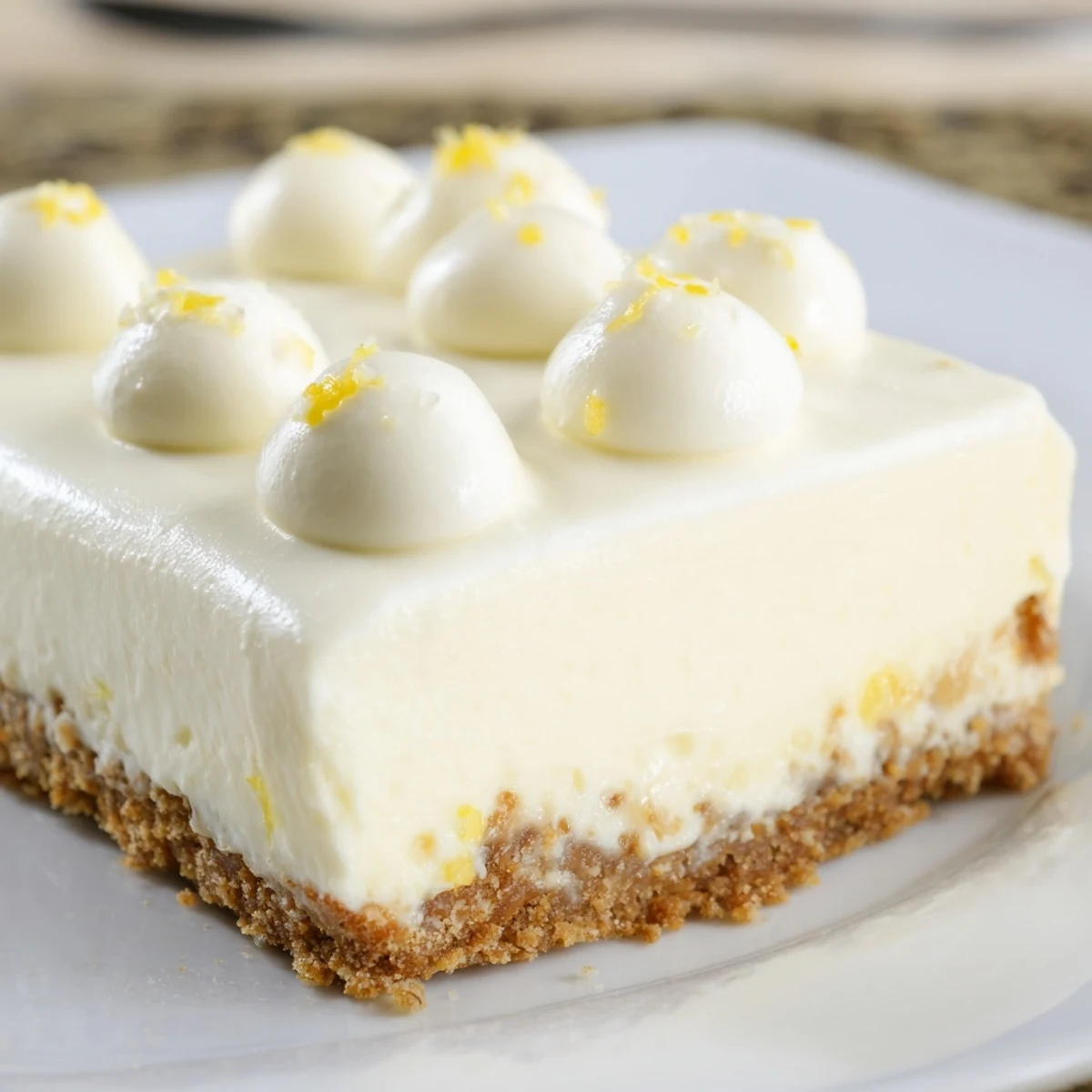
Save Last Thanksgiving, I made this instead of pumpkin pie and my traditionally minded grandmother actually asked for the recipe. Seeing her carefully place a small slice on her plate, then go back for seconds, was such a win. Now whenever I smell lemon zest, I think of her sitting at the kids' table, happily eating cheesecake while everyone else had pie.
Making It Ahead
This cheesecake actually improves with a day in the refrigerator, the flavors meld together and the texture becomes even creamier. I've made it up to two days before serving, and it's been perfect every time. Just wrap it well once completely cooled to prevent any fridge odors from seeping in.
Serving Suggestions
While the optional sour cream topping is lovely, fresh berries are my absolute favorite addition. Strawberries, blueberries, or raspberries add both color and a tart contrast that complements the tangy filling. A small fruit compote works beautifully too, especially if you warm it slightly before drizzling.
Troubleshooting Common Issues
If your cheesecake does crack, don't worry, it's still going to taste incredible. The sour cream topping hides most imperfections beautifully. If the crust seems too hard next time, try reducing the crust baking time by a minute or two. And if it's underbaked, remember that it continues cooking as it cools in the oven.
- Dip your knife in hot water and wipe it clean between slices for the most professional looking pieces
- Run a thin knife around the edge before releasing the springform to prevent the sides from sticking
- Let refrigerated cheesecake sit at room temperature for 20 minutes before serving for the best texture
 Save
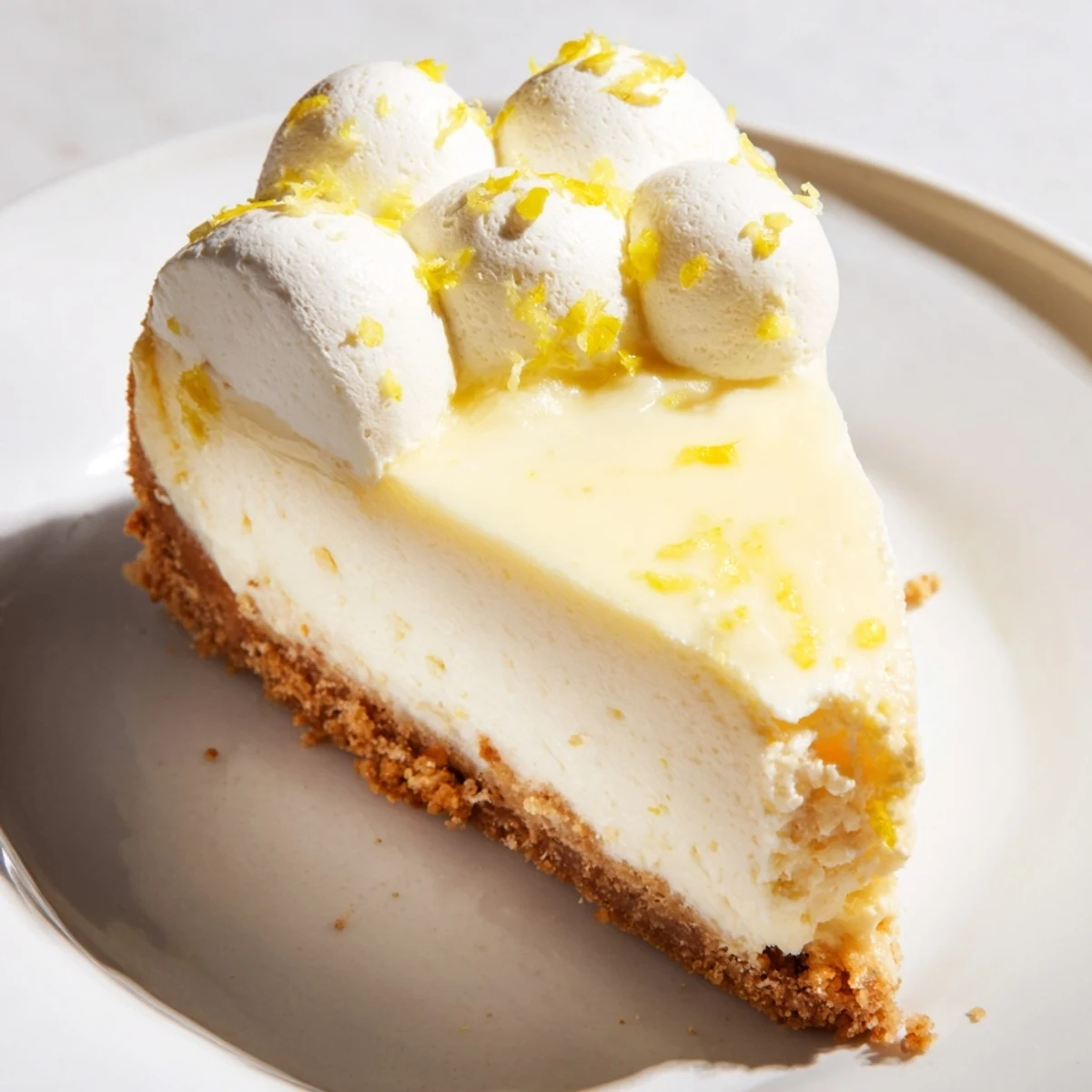
Save There's something deeply satisfying about slicing into a perfectly chilled cheesecake you made from scratch. Every time I serve this, I'm reminded that the best recipes are the ones that bring people back for seconds.
Recipe Questions
- → What makes Greek yogurt important in this cheesecake?
-
Greek yogurt adds a creamy texture with a tangy flavor while lightening the overall richness of the cheesecake.
- → Can I substitute the crust ingredients?
-
Yes, graham crackers can be replaced with digestive biscuits or gluten-free cookies to suit dietary needs.
- → How do I prevent cracks on the cheesecake surface?
-
Bake until the center is just set and slightly wobbly, then cool gradually in the oven with the door open before refrigeration.
- → Is the lemon zest essential for flavor?
-
The lemon zest and juice add a fresh, bright note that balances the creamy richness of the filling.
- → How long should the cheesecake chill before serving?
-
Chill for at least 4 hours, preferably overnight, to allow the flavors to meld and the texture to set properly.
- → What tools are recommended for preparing this dessert?
-
A springform pan, mixing bowls, an electric mixer or whisk, spatula, and optionally a food processor for the crust are helpful.