
 Save
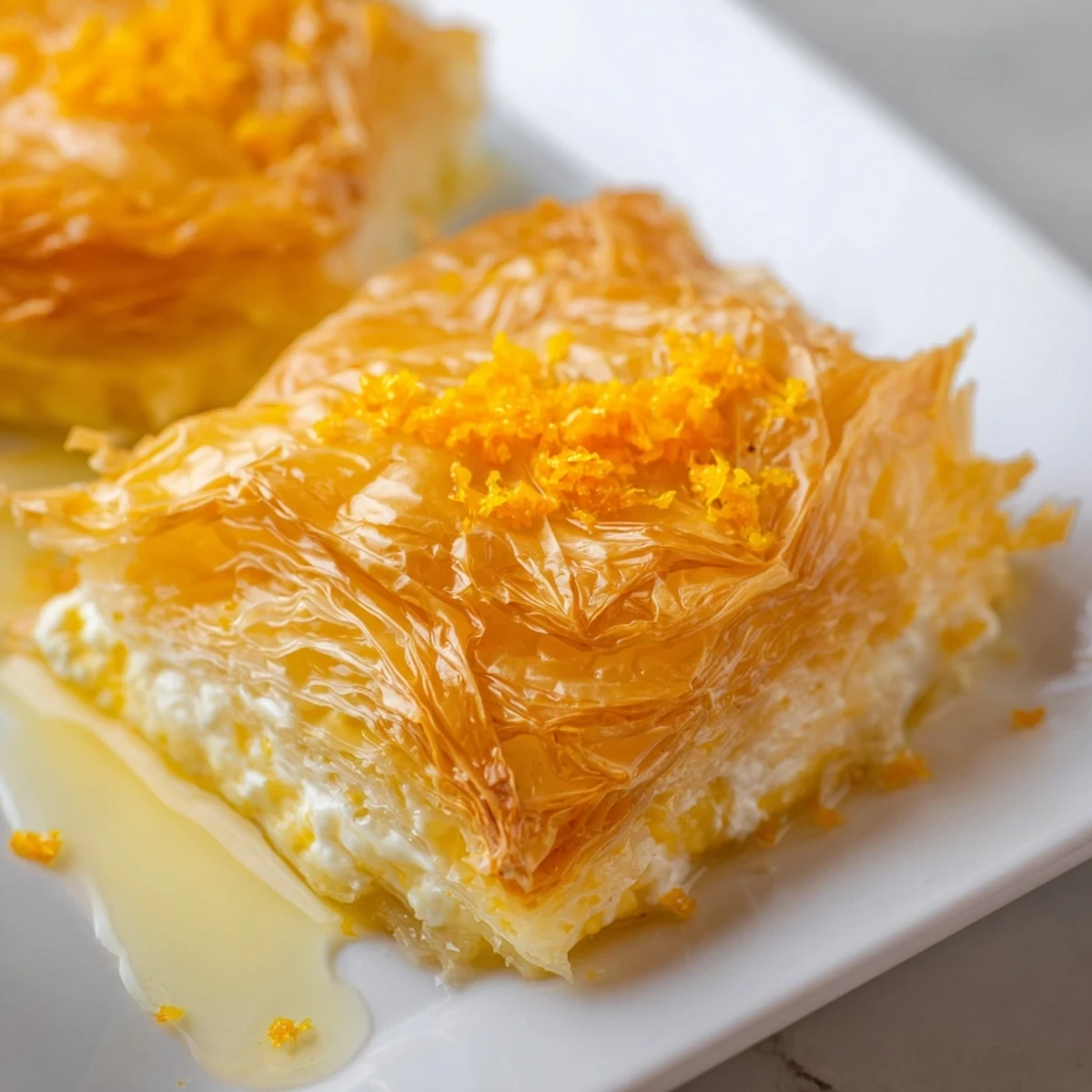
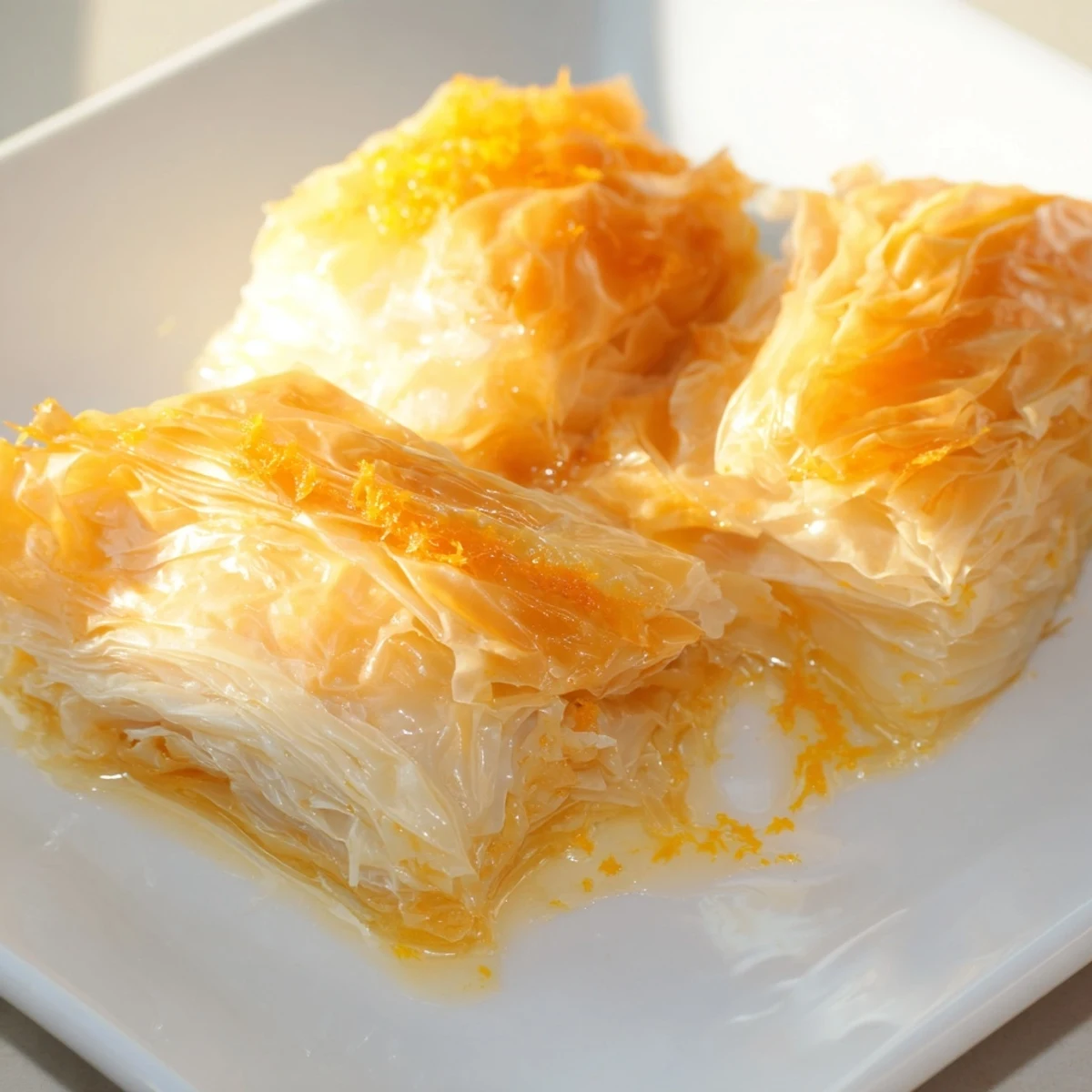
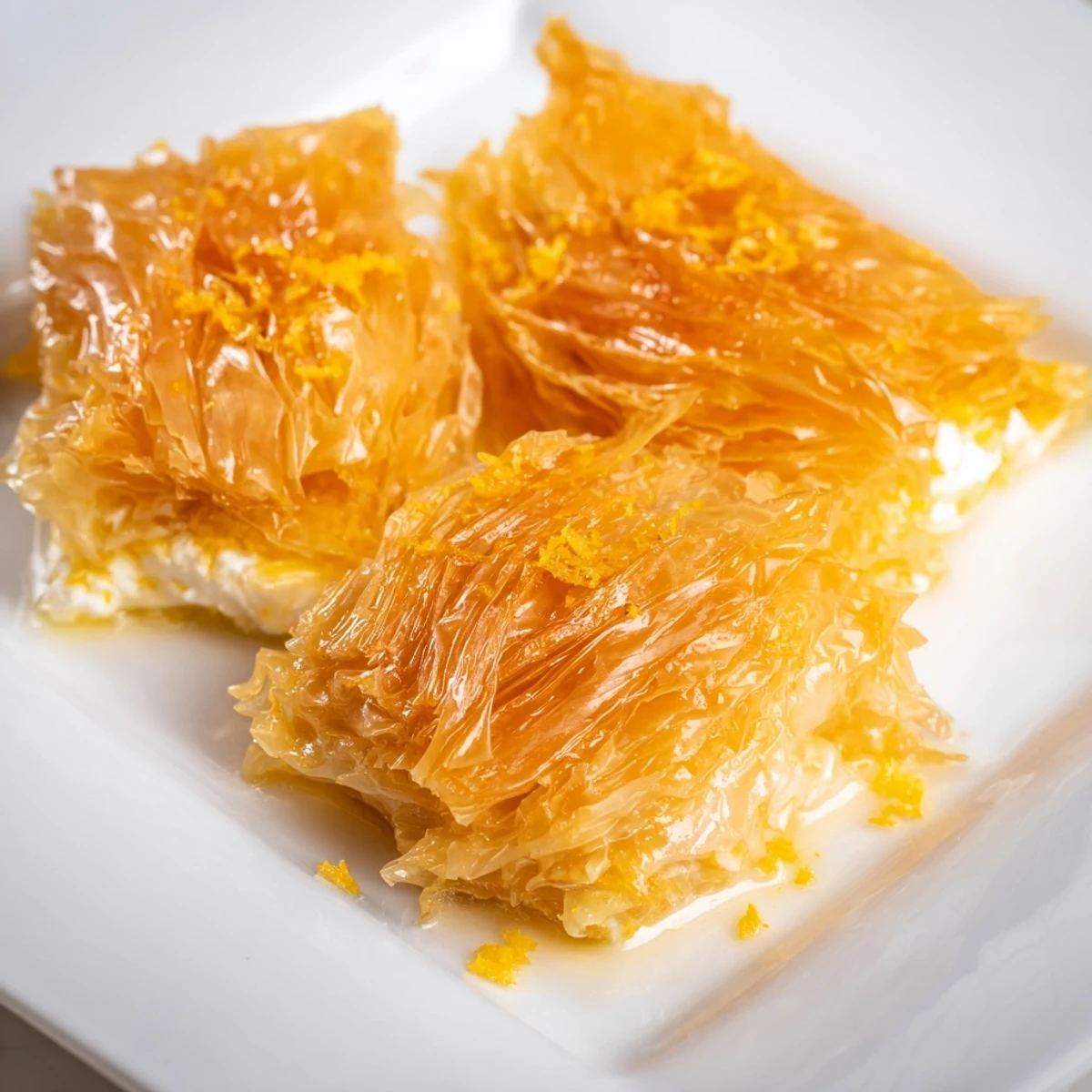
Save Portokalopita transforms simple phyllo sheets into an extraordinary Greek dessert. The technique involves letting phyllo dry slightly before crumbling it into rough pieces, then combining with a rich yogurt-egg batter infused with fresh orange zest. After baking until golden, the warm cake receives a generous pouring of cooled orange-cinnamon syrup, creating that signature moist yet texture-contrasting finish. The result balances crispy edges with tender, syrup-soaked centers.
This sweet shines brightest when served chilled after resting for several hours, allowing flavors to meld. Pair with vanilla ice cream or whipped cream for extra indulgence. The addition of orange liqueur to the syrup elevates the citrus notes beautifully.
There was this tiny Greek bakery in my neighborhood that made Portokalopita every Friday, and I'd walk past just to catch the orange-scented steam escaping their door. One rainy afternoon, the owner Maria caught me lingering and pressed a warm slice into my hands, no charge. That first bite of syrup-soaked phyllo changed how I thought about desserts entirely.
Last summer I made this for my niece's birthday instead of a traditional cake, mostly because I'd forgotten to order one and panicked. The kids were skeptical about 'orange bread pudding' as they called it, but the platter was empty before I could even explain what it was. Now it's the only birthday treat she requests.
Ingredients
- Phyllo sheets (450 g): Let these dry out for an hour before crumbling. Fresh phyllo won't absorb the syrup properly and you'll end up with soggy patches instead of those delightfully crisp-edged pieces.
- Greek yogurt (250 g): Full-fat is essential here. The fat content creates that creamy texture while the tang cuts through all the sugar.
- Granulated sugar (200 g for batter + 200 g for syrup): This amount might seem excessive, but traditional Greek desserts walk that line between sweet and syrupy for a reason.
- Light olive oil or sunflower oil (120 ml): Olive oil adds a subtle fruitiness that pairs beautifully with oranges, but sunflower keeps things neutral if you prefer.
- Orange zest (3 oranges total): Use a microplane if you have one. You want the fragrant oils without any bitter white pith.
- Large eggs (4): Room temperature eggs will incorporate more air into your batter, giving you a lighter final texture.
- Baking powder (2 tsp): This helps lift those heavy phyllo pieces just enough so they don't become a dense brick at the bottom of your dish.
- Water (250 ml): Filtered water won't interfere with the pure orange flavor in your syrup.
- Fresh orange juice (200 ml): Squeeze these yourself. Bottled juice lacks the bright acidity that balances the sugar.
- Cinnamon stick (1): One stick is enough to add warmth without overpowering the delicate orange notes.
Instructions
- Prepare your workspace:
- Preheat that oven to 180°C (350°F) and grab your 23x33 cm baking dish. A light coating of butter or oil on the dish will prevent any stuck corners later.
- Transform the phyllo:
- Unwrap your sheets and spread them out to dry for about an hour. Then, using your hands, crumple them into rough pieces like you would a piece of paper you're throwing away. This creates all those wonderful nooks and crannies for syrup to hide in later.
- Whisk up the base:
- In your largest bowl, beat those eggs and sugar until they're pale and practically doubled in volume. This aerated base is what keeps the final cake from being too dense.
- Add the flavor makers:
- Fold in the yogurt, oil, vanilla, that vibrant orange zest, and baking powder. You want everything evenly combined but don't overwork it.
- Coat the phyllo pieces:
- Gently fold in those crumpled phyllo sheets until every piece is lightly covered in batter. This coating is crucial for even baking and proper syrup absorption.
- Bake until golden:
- Spread everything into your prepared dish and bake for 40 to 45 minutes. You're looking for deep golden color and a skewer that comes out clean.
- Create the orange syrup:
- While the pie does its thing, combine water, sugar, orange juice, cinnamon stick, and remaining orange zest in a saucepan. Let it bubble away for 8 minutes, then cool completely. This syrup must be cold when it hits the hot pie.
- The grand soak:
- Pour that cooled syrup slowly over your hot pie right out of the oven. Let it work its magic for at least 2 hours, though overnight is even better.
 Save
Save My friend Nikos told me his grandmother used to make this during orange harvest season in Greece, when the fruit was so abundant they'd use it in everything. Now whenever I smell fresh oranges being zested, I'm transported to her kitchen in my imagination, syrup bubbling away on the stove while the phyllo bakes to golden perfection.
Serving Suggestions
Portokalopita deserves to be the star, but a dollop of freshly whipped cream or a scoop of vanilla bean ice cream won't hurt anyone. I've also served it alongside strong Greek coffee after dinner, and the bitter coffee pairs beautifully with the sweet orange notes.
Storage Wisdom
This cake actually improves after a day or two in the refrigerator, as the syrup continues to work its way through the phyllo. Cover it tightly and it will keep for up to five days. Some people even prefer it chilled straight from the fridge, though I'm team room temperature myself.
Flavor Variations
The classic version is hard to beat, but a splash of orange liqueur in the syrup adds that extra something special. You could also add a tablespoon of semolina to the batter for a slightly creamier texture, or swap the cinnamon for a whole clove if you prefer that spicy warmth.
- Try adding some chopped pistachios between the layers for crunch
- A teaspoon of rose water in the syrup creates a lovely floral dimension
- Lemon zest can replace half the orange if you want a brighter, sharper citrus profile
 Save
Save There's something deeply satisfying about turning simple phyllo sheets into such an elegant dessert, especially when the whole house fills with that orange-cinnamon perfume. This recipe has become my go-to for bringing people together around the table.
Recipe Questions
- → Why do phyllo sheets need to dry out before using?
-
Letting phyllo sheets air-dry for about an hour makes them easier to crumple without tearing into shreds. Slightly dried phyllo creates better texture pockets that absorb the orange syrup more effectively while maintaining some crispness after soaking.
- → Can I prepare Portokalopita ahead of time?
-
Absolutely. This dessert actually improves after resting for several hours or overnight. The syrup needs time to fully penetrate the phyllo layers, creating that signature moist texture throughout. Store covered at room temperature for up to 2 days or refrigerated for 4-5 days.
- → Why must the syrup be cooled before pouring?
-
Pouring hot syrup over hot phyllo causes the structure to collapse and become soggy rather than perfectly soaked. The temperature difference creates better absorption while preserving some crisp texture. Cold syrup on hot cake gives ideal results.
- → What makes Greek yogurt essential here?
-
Genuine Greek yogurt's thick, strained texture provides richness and tang that balances the sweet syrup perfectly. Regular yogurt is too thin and creates a soggy batter. The full-fat version contributes to the tender custard-like interior while helping bind the crumpled phyllo pieces.
- → Can I freeze Portokalopita?
-
Freezing isn't recommended due to the syrup-soaked texture—the phyllo becomes unpleasantly mushy upon thawing. This dessert is best enjoyed fresh within several days when the contrast between slightly crisp edges and tender syrup-soaked centers remains at its peak.
- → How do I know when the cake is properly baked?
-
The surface should be deep golden brown and a skewer inserted in the center comes out clean or with just a few moist crumbs. The edges will pull slightly away from the pan. Baking beyond this point dries out the phyllo too much, reducing syrup absorption.