 Save
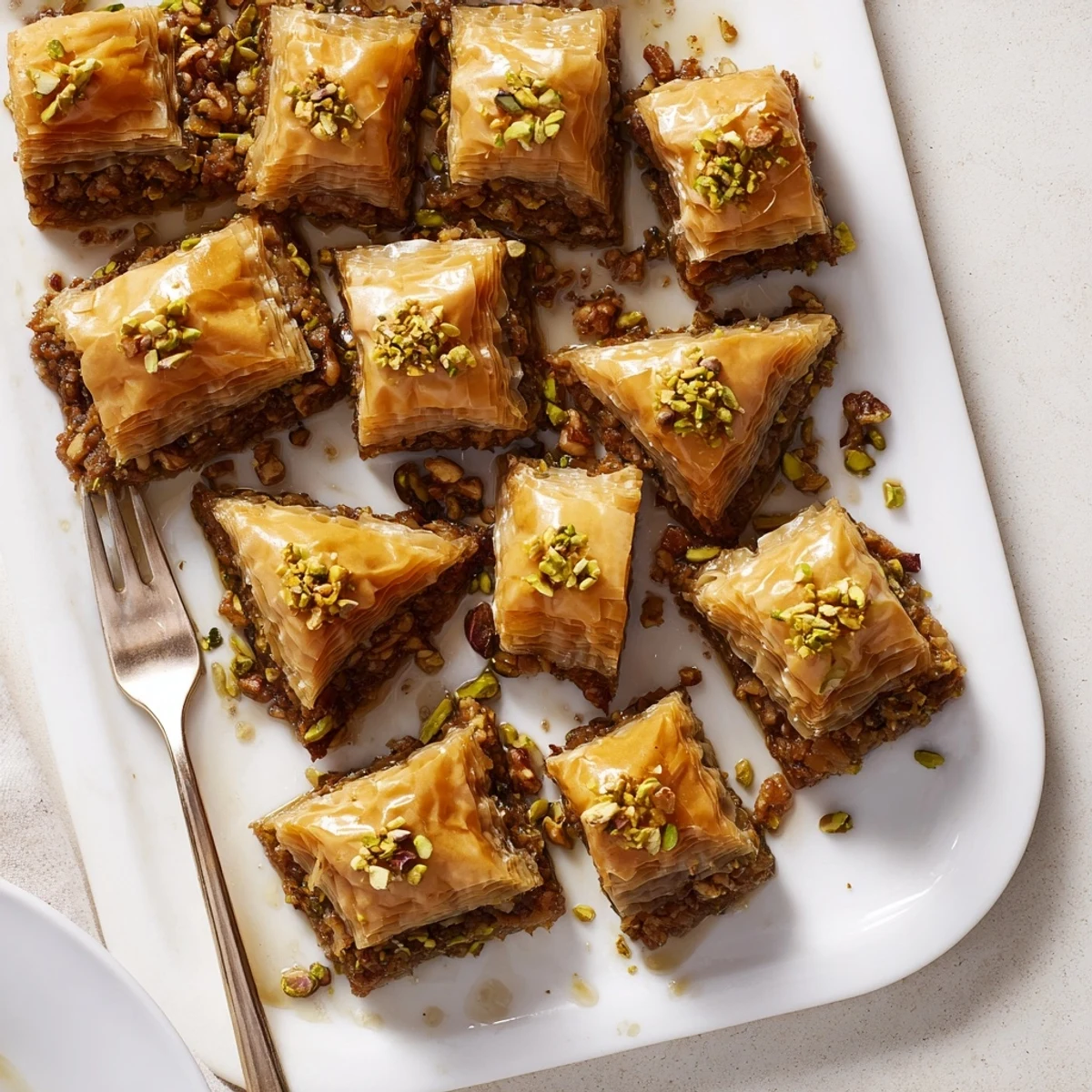
Save This traditional Greek dessert features delicate layers of phyllo pastry brushed with butter and filled with a aromatic blend of walnuts pistachios almonds cinnamon and cloves. The assembled pastry bakes until golden crisp then receives a generous soaking of warm honey syrup infused with cinnamon and lemon. The syrup gradually penetrates every layer creating that signature texture part crunch part melt-in-your-mouth tenderness. Best served after cooling completely allowing flavors to deepen over twenty-four hours.
The first time I attempted baklava, I made the rookie mistake of treating phyllo like any other dough, working slowly and carefully. By the time I reached the third sheet, the remaining phyllo had dried into something resembling parchment paper, and I spent twenty minutes trying to salvage the layers with a spray bottle of water. Now I work with that lightning speed you develop after making mistakes, keeping everything covered with a damp cloth while my butter brush moves like it is in a race against time. There is something deeply satisfying about turning fragile, stubborn sheets into something that holds together so beautifully.
I brought this to a neighborhood potluck last summer, unsure if anyone would appreciate something so traditionally Greek and time consuming. Within ten minutes, three different people had asked for the recipe, and someone actually texted me later that night begging for the method. The best part was watching my usually skeptical neighbor take a small, polite piece, then immediately return for seconds with genuine enthusiasm.
Ingredients
- 200 g walnuts, finely chopped: These provide the earthy foundation that grounds all the sweetness
- 100 g pistachios, finely chopped: Adds beautiful color and a subtle resinous flavor that makes baklava distinctive
- 50 g almonds, finely chopped: The secret third nut that adds depth without overpowering the other flavors
- 2 tsp ground cinnamon: Warm spice that bridges the gap between nuts and honey
- 1/4 tsp ground cloves: Just enough to add intrigue without becoming medicinal
- 2 tbsp granulated sugar: Helps the nuts caramelize slightly while baking
- 400 g phyllo dough, thawed: Keep it covered with a damp cloth while you work or you will learn the hard way why everyone mentions this rule
- 200 g unsalted butter, melted: Do not skimp here, those buttery layers are everything
- 250 g granulated sugar: Creates the syrup foundation that transforms crisp pastry into something sublime
- 200 ml water: Just enough to dissolve the sugar into syrup
- 180 g honey: Use something fragrant and raw if you can find it
- 1 cinnamon stick: Infuses the syrup with gentle warmth while it simmers
- 3 strips lemon peel: Brightens all that richness and cuts through the sweetness
Instructions
- Get your station ready:
- Preheat your oven to 170°C and butter that 23x33 cm baking dish thoroughly, then clear a large workspace because you will need elbow room to work with the phyllo sheets without going crazy
- Mix the filling:
- Combine all those beautiful chopped nuts with the cinnamon, cloves, and sugar in a bowl, mixing until the spices are evenly distributed throughout
- Prep your phyllo:
- Unroll the dough and immediately cover with a lightly damp cloth, keeping only the sheets you are actively using exposed to the air
- Build the base:
- Lay down one phyllo sheet, brush it gently but thoroughly with melted butter, and repeat until you have 8 buttered sheets forming your foundation
- Add the first nut layer:
- Sprinkle exactly one third of your nut mixture evenly across the buttered phyllo, taking care to reach the corners
- Continue layering:
- Add 4 more sheets of phyllo, buttering each one, then add another third of the nuts, then 4 more buttered sheets, then the final third of nuts
- Finish the top:
- Layer the remaining 4 phyllo sheets, buttering each one, and give the very top an extra generous butter coating because that golden crunch is worth it
- Score before baking:
- Use your sharpest knife to cut diamonds or squares all the way through the layers now, because trying to cut finished baklava without shattering it is nearly impossible
- Bake until golden:
- Slide it into the oven for 45 to 50 minutes, until the top is deeply golden and you can smell the nuts toasting
- Make the syrup:
- While the baklava bakes, simmer the sugar, water, honey, cinnamon stick, and lemon peel for 10 minutes, then let it cool slightly and fish out the cinnamon and peel
- The crucial step:
- Pour that warm syrup slowly and evenly over the hot baklava the moment it comes out of the oven, listening for that satisfying sizzle
- Patience pays off:
- Let it cool completely before serving, which gives the syrup time to work its way into every single layer
 Save
Save My grandmother would always make baklava on rainy Sunday afternoons, claiming the humidity helped keep the phyllo pliable. I have no idea if that is scientifically true, but some of my favorite memories involve sitting at her kitchen table, watching rain against the window while the smell of butter and cinnamon filled the house. She taught me that good things cannot be rushed, and baklava is the delicious proof.
Making It Your Own
The classic walnut, pistachio, and almond combination is traditional for good reason, but I have seen beautiful variations using hazelnuts or even pecans for a different spin. Some regional recipes add a pinch of cardamom or nutmeg to the filling, which can be lovely if you enjoy those warming spices. Just remember that baklava is about balance, the sweet against the nutty, the crisp against the syrupy, and any changes should honor that equilibrium.
The Syrup Situation
I spent years making my syrup too thick, convinced that viscosity meant better absorption, but I was wrong every single time. The perfect syrup coats a spoon without being gloppy, and I have found that adding a splash of orange blossom water or rose water right at the end creates those floral notes that make restaurant baklava taste so distinctive. Let the syrup cool enough that it is warm but not hot, otherwise you risk shocking the pastry when they meet.
Storage And Serving
Baklava is one of those rare desserts that genuinely improves after sitting for a day, as the syrup has time to fully penetrate every layer and the flavors meld together beautifully. Store it at room temperature, covered with a clean kitchen towel or in an airtight container, for up to five days. I love serving it with strong Greek coffee or mint tea, something to cut through all that sweetness and let the nuts shine.
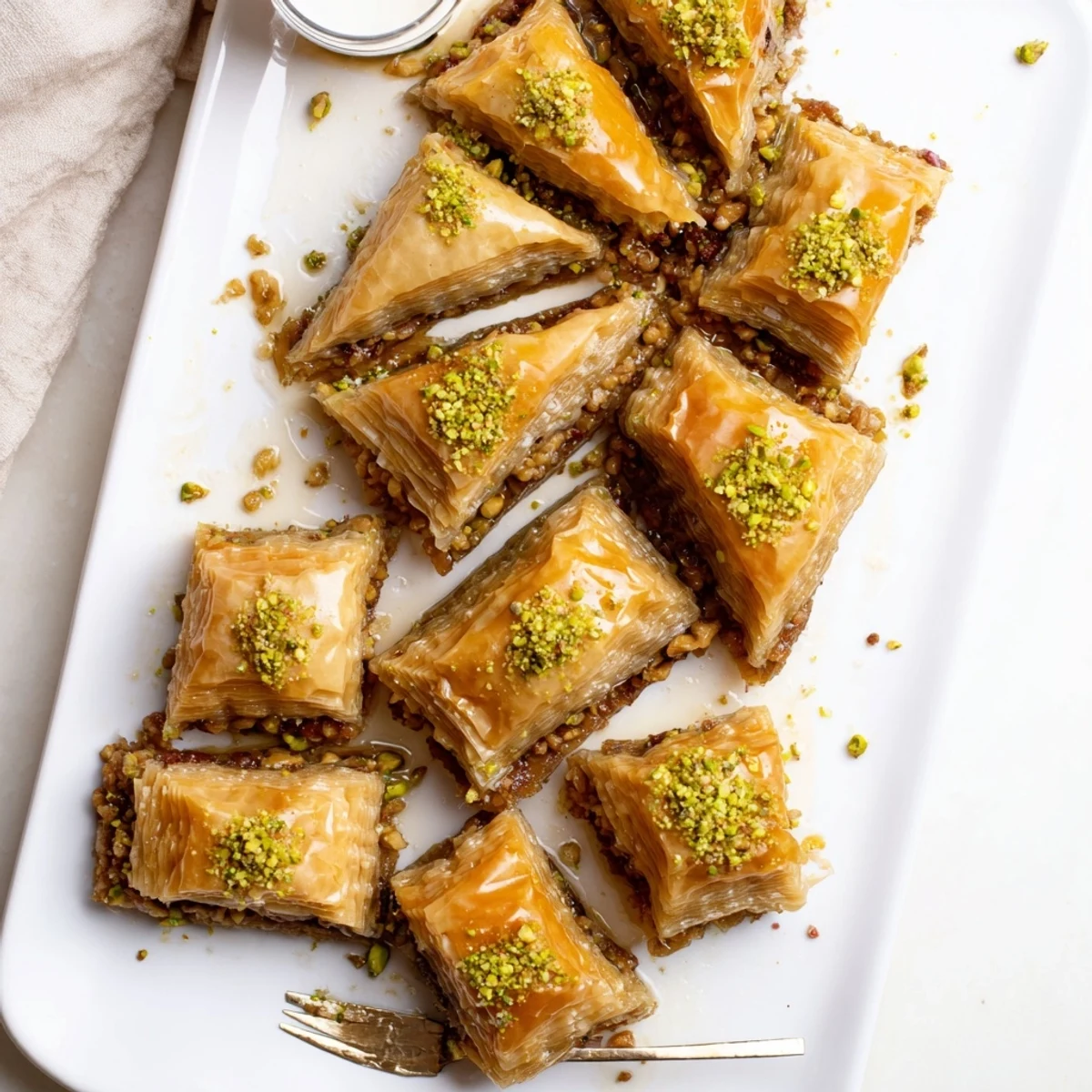
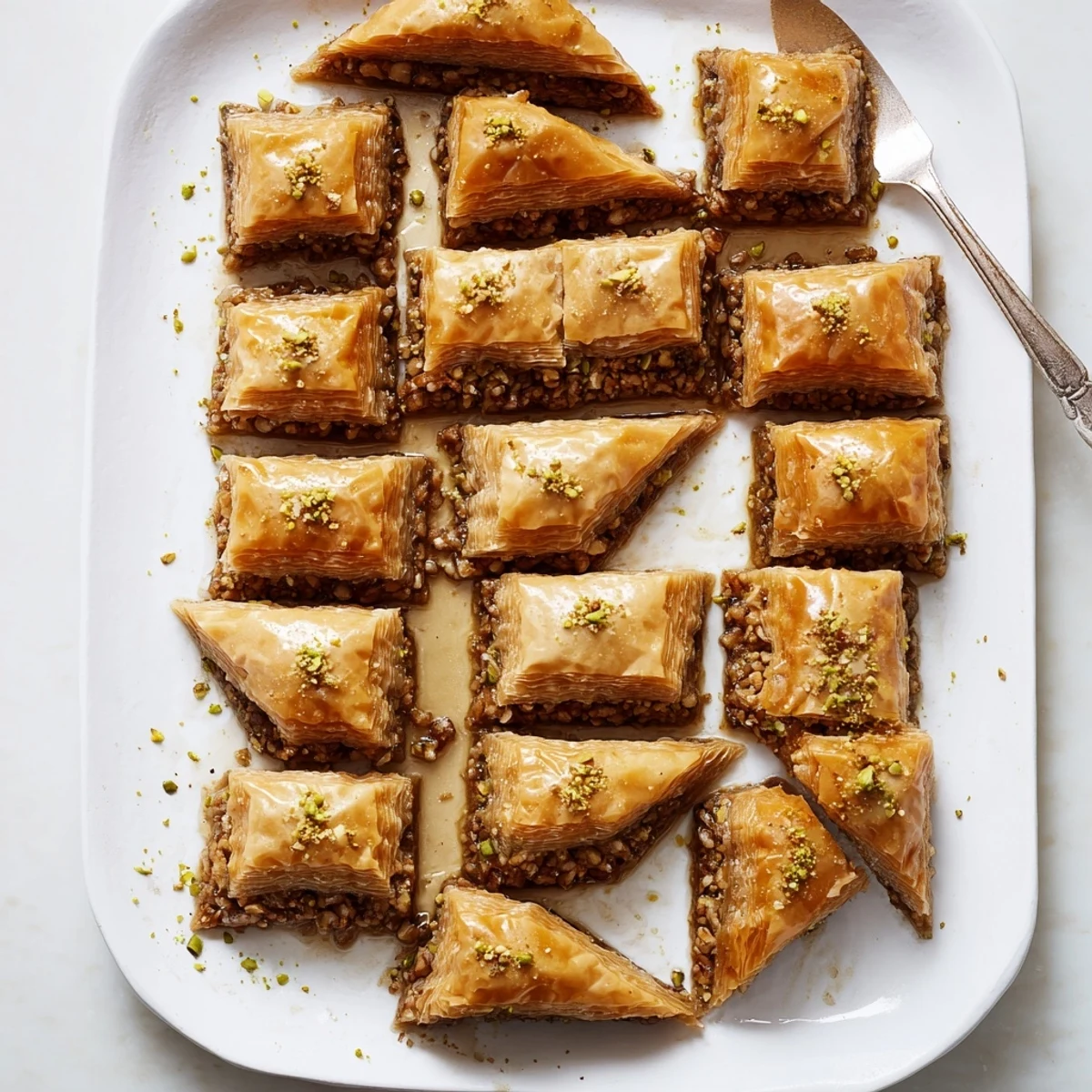
- Square cuts are easier for beginners, but diamond shapes look impressive and are traditional
- If your top browns too quickly, tent loosely with foil for the last 10 minutes
- The edges tend to be the most coveted pieces, so maybe save one for yourself
 Save
Save There is something profoundly satisfying about mastering a recipe that seems so intimidating at first glance, and baklava delivers that reward in spades. Every time I serve it, I remember that rainy afternoon in my grandmother kitchen, and I think that is the secret ingredient no recipe can teach you.
Recipe Questions
- → How long should baklava cool before serving?
-
Allow the baklava to cool completely at room temperature for at least 2-3 hours after adding the syrup. For optimal texture and flavor development let it rest overnight the syrup fully penetrates the phyllo layers making the pastry even more tender and flavorful.
- → Can I freeze baklava for later?
-
Yes freeze baklava before adding the syrup. Wrap the baked and cooled pastry tightly in plastic then foil and freeze for up to 3 months. Thaw overnight then pour warm syrup over before serving.
- → What nuts work best in baklava?
-
Walnuts provide the classic Greek flavor profile though pistachios add lovely color and subtle sweetness. Almonds offer mild nutty notes. Use any combination totaling 350g keeping the walnut portion highest for authentic taste.
- → Why does my baklava get soggy?
-
Soggy texture usually results from pouring hot syrup onto hot baklava or using too much syrup. Ensure the pastry is fully baked and golden before adding slightly cooled syrup. The temperature difference allows proper absorption without overwhelming the delicate layers.
- → How do I cut baklava without tearing the phyllo?
-
Cut through all layers before baking using a sharp sturdy knife. Score the top lightly first then press down firmly with a sawing motion. Cutting before baking ensures clean edges and prevents the syrup from causing uneven separation along cut lines.