
 Save
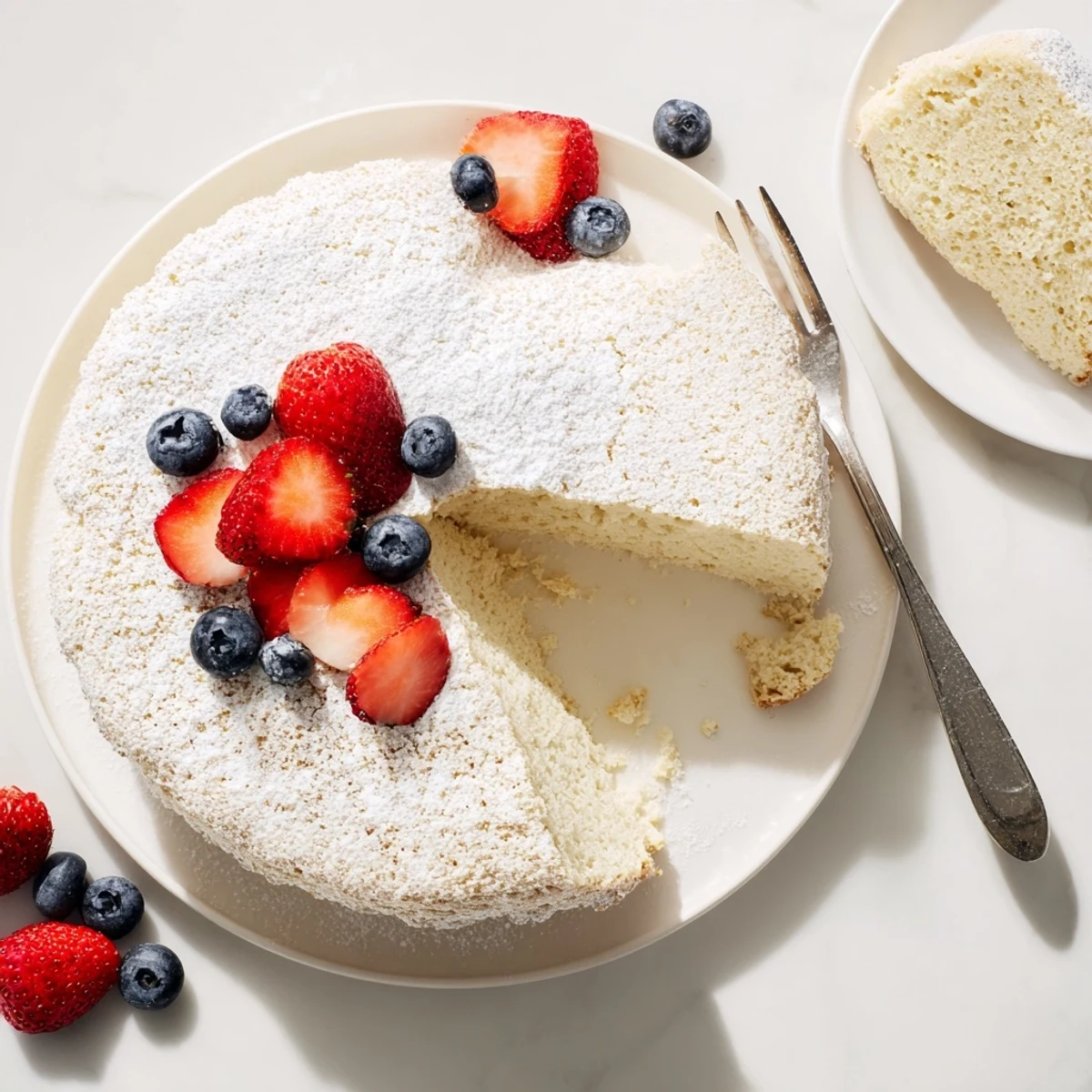
Save This delightful European-style dessert combines the tanginess of Greek yogurt with the lightness of a soufflé-like cake. The secret lies in separating eggs and whipping whites to stiff peaks, creating that signature cloud-like texture. With just 20 minutes of prep time, you'll have an impressive 8-serving treat that balances sweetness with subtle citrus notes from lemon zest.
The batter comes together easily—whisk dry ingredients, cream yolks with sugar, then fold in yogurt and aromatic vanilla. The magic happens when you gently incorporate the beaten egg whites, transforming the mixture into something wonderfully airy. After 45 minutes in the oven, you'll have a golden cake that's set yet incredibly soft.
Serve it fresh with a dusting of powdered sugar and fresh berries for a stunning presentation. The cake is best enjoyed the same day but keeps well for two days when stored airtight. For added brightness, try incorporating fresh lemon juice or orange zest into the batter.
The afternoon I discovered this cake felt like uncovering a secret recipe from an old European bakery, except my grandmother handed it to me on a stained index card. She called it cloud cake because thats exactly what it tastes like sweetness suspended in air. I was skeptical that yogurt could create something so ethereal, but one bite changed my entire understanding of what a cake could be.
My sister requested this for her wedding shower after falling in love with it at Sunday dinner. Watching guests take that first puzzled bite, then seeing their eyes widen as the cloud-like texture registered, became my favorite part of the whole celebration. Someone actually asked if I could teach them to make it right there in the venue kitchen.
Ingredients
- All-purpose flour: The structure that keeps your cloud from collapsing, though I accidentally used bread flour once and it still turned out lovely
- Cornstarch: This is the secret ingredient that creates that silky tender crumb
- Baking powder: Gives just enough lift to complement the airiness from the eggs
- Salt: A tiny pinch that balances the sweetness and makes all flavors pop
- Eggs separated: The yolks add richness while whipped whites create the signature cloud-like texture
- Granulated sugar divided: Half sweetens the batter and half stabilizes your egg whites
- Vegetable oil: Keeps the cake incredibly moist without weighing it down like butter might
- Full-fat Greek yogurt: The star ingredient that adds tang and creates that dreamy texture
- Vanilla extract: Use the good stuff here, it really shines in delicate cakes
- Lemon zest: Brightens everything and cuts through the richness beautifully
Instructions
- Preheat and prep your pan:
- Set your oven to 325°F and line just the bottom of an 8-inch round pan with parchment, leaving the sides completely ungreased. This helps the cake climb the sides as it rises.
- Whisk the dry ingredients:
- Combine flour, cornstarch, baking powder, and salt in a bowl, then set it aside while you work on the wet ingredients.
- Beat the yolks:
- Whisk egg yolks with half the sugar until the mixture turns pale and creamy, then add oil, yogurt, vanilla, and lemon zest, mixing until everything is smooth and incorporated.
- Combine wet and dry:
- Gently fold the flour mixture into the yogurt mixture just until no streaks remain, being careful not to overwork the batter.
- Whip the egg whites:
- In a completely clean bowl, beat egg whites until soft peaks form, then gradually add remaining sugar and continue beating until stiff peaks stand up straight.
- Fold in the whites:
- Add one-third of the whites to lighten the batter, then gently fold in the rest in two additions, using a light hand to preserve all that air.
- Bake to perfection:
- Pour batter into your prepared pan, smooth the top, and bake for 40 to 45 minutes until set and a toothpick comes out clean from the center.
- Cool carefully:
- Let the cake rest in the pan for 10 minutes before running a knife around the edge and inverting onto a wire rack to cool completely.
 Save
Save This recipe has become my go-to for bringing comfort to friends who need cheering up. Something about that light fluffy texture feels like a hug, and I love watching peoples expressions shift from curious to delighted with that first taste.
Making It Your Own
Ive experimented with adding orange zest instead of lemon, and both versions are equally stunning. The yogurt can be swapped for any plain variety, though I find full-fat Greek gives the most luxurious mouthfeel and structure.
Serving Suggestions
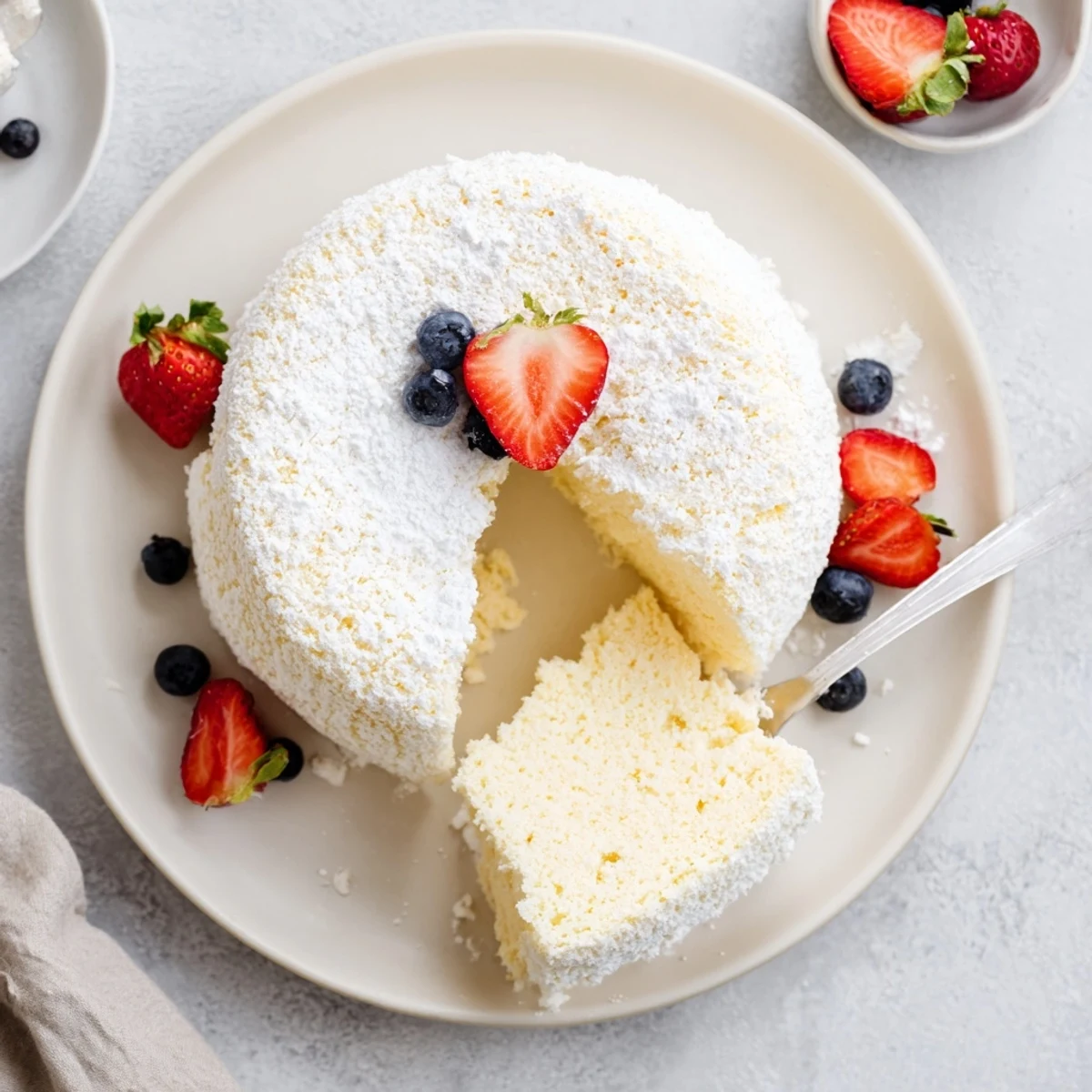
A simple dusting of powdered sugar makes this cake elegant enough for any occasion, but fresh berries turn it into something truly special. I love serving it slightly chilled on warm days, letting that cool refreshing contrast shine.
Storage And Timing
This cake is absolutely perfect the day its made when that cloud texture is at its peak. It will keep in an airtight container for two days, though the texture becomes more dense and bread-like over time.
- Bake it the morning of your gathering for the lightest results
- Bring it to room temperature before serving if you have chilled it
- The lemon flavor intensifies after a day, which some people actually prefer
 Save
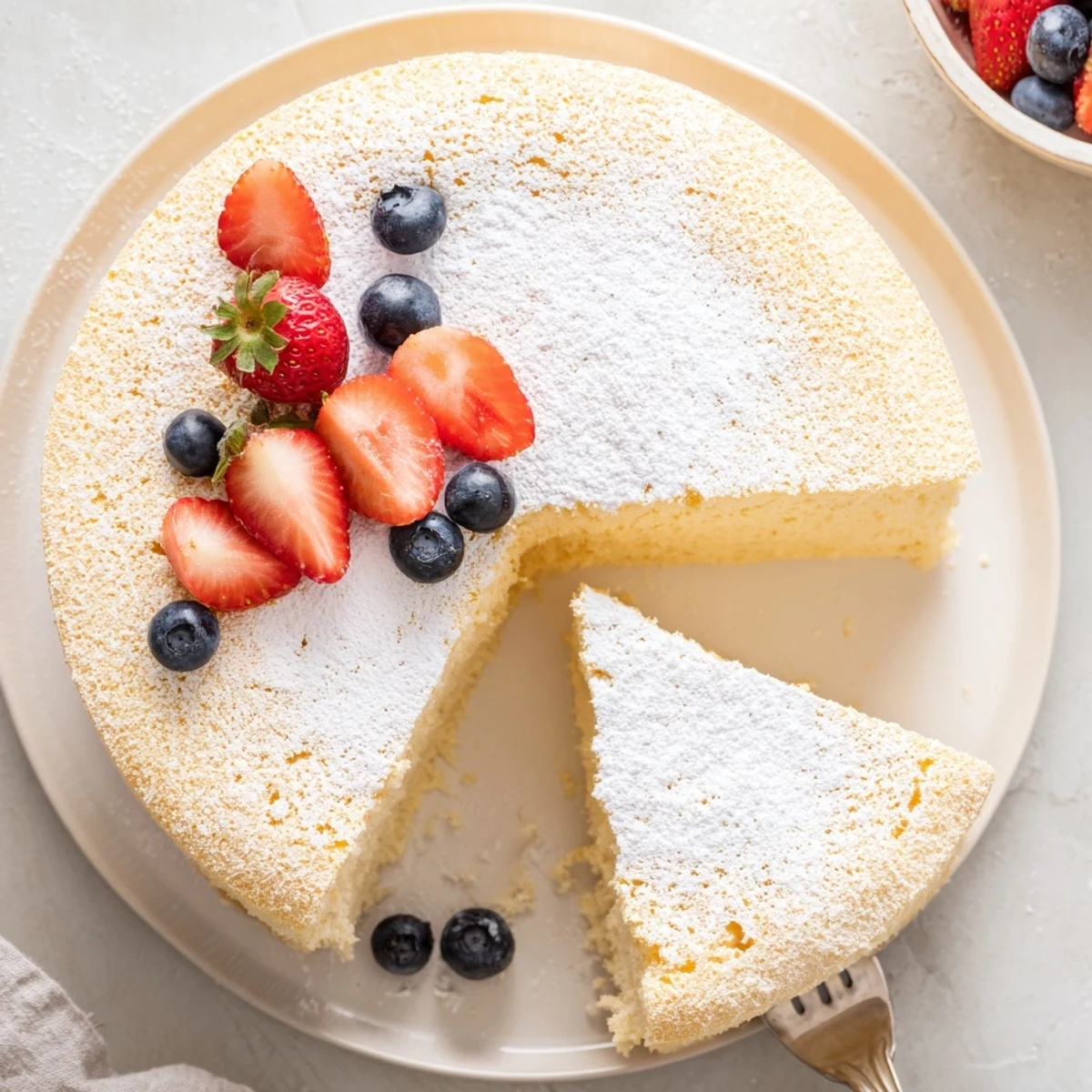
Save There is something magical about slicing into this cake and watching it practically float off the plate. It reminds me that the simplest ingredients, treated with care, can create something extraordinary.
Recipe Questions
- → What makes this cake so light and fluffy?
-
The cloud-like texture comes from beating egg whites to stiff peaks and gently folding them into the batter. This technique incorporates air throughout the mixture, creating an incredibly light and airy crumb. The combination of Greek yogurt and cornstarch also contributes to the tender, delicate texture.
- → Can I use regular yogurt instead of Greek yogurt?
-
Greek yogurt is recommended because its thicker consistency provides better structure and moisture. If using regular yogurt, consider straining it through cheesecloth for a few hours to remove excess whey. This helps maintain the proper batter consistency and prevents the cake from becoming too dense.
- → Why shouldn't I grease the sides of the pan?
-
Leaving the pan sides ungreased allows the batter to climb and grip the pan as it rises, which helps achieve better height and structure. Only lining the bottom with parchment paper prevents sticking while encouraging proper climbing and rising during baking.
- → How do I know when the cake is done?
-
The cake is finished when it's set and a toothpick inserted into the center comes out clean, typically after 40-45 minutes at 325°F. The top should be lightly golden, and the cake will have pulled slightly away from the pan edges. Letting it cool in the pan for 10 minutes helps it set before removing.
- → Can I add different flavors or variations?
-
Absolutely! While lemon zest provides lovely brightness, you can substitute orange, lime, or even grapefruit zest. For a chocolate version, replace 2 tablespoons of flour with cocoa powder. You can also fold in fresh berries or a layer of fruit compote before baking for added variation.
- → Why must the egg whites be beaten in a clean bowl?
-
Any trace of fat or egg yolk in the bowl will prevent the whites from properly whipping and reaching stiff peaks. Even a small amount of grease inhibits the protein structure needed to create stable foam. Use a spotless, dry bowl and ensure no yolk contaminates the whites when separating.