
 Save
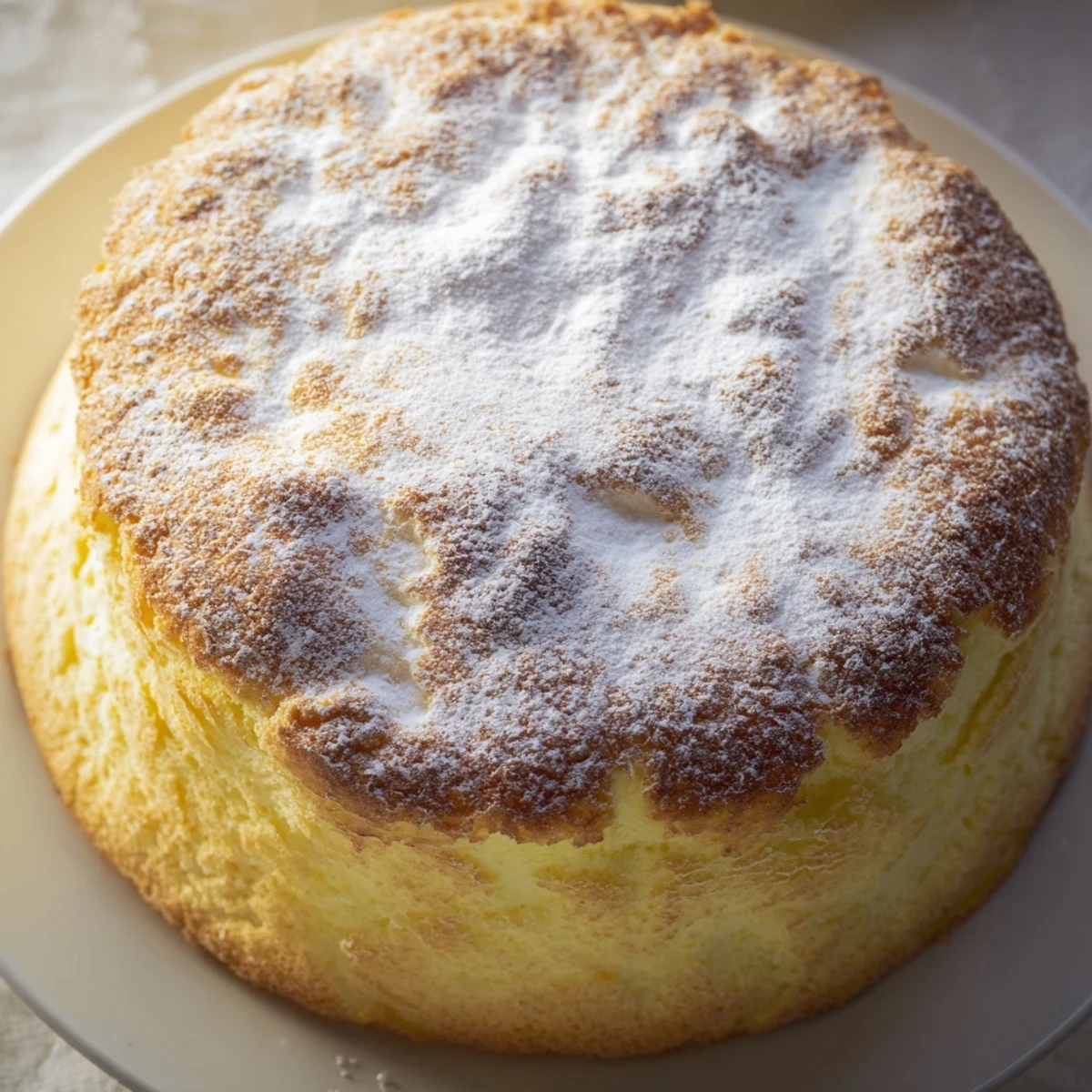
Save This light and airy cake gets its delicate tang from Greek yogurt, creating a cloud-like texture that's perfect for teatime or as a refreshing dessert. The recipe combines simple ingredients with careful mixing techniques to achieve a beautifully golden, tender crumb that's both satisfying and not overly sweet.
The key to success lies in separating eggs and folding in whipped egg whites gently to maintain maximum airiness. The result is a cake that's light enough to enjoy with afternoon tea yet substantial enough to serve as a dessert, with optional lemon zest adding a bright citrus note.
The first time I made this yogurt cake, I was genuinely skeptical about how something so simple could taste so ethereal. My grandmother had mentioned something about eggs separated and whipped until clouds formed, but I didn't really believe her until I watched the batter transform. There's something almost magical about folding air into a mixture and having it hold that delicate structure through the heat of an oven.
I brought this to a potluck last spring, and three different people asked for the recipe before they'd even finished their first slices. What surprised me most was how quiet the table got when everyone took that first bite. There's something about the subtle tang from the yogurt that makes people pause and really pay attention to what they're eating.
Ingredients
- 1 cup (125 g) all-purpose flour: The structure of your cloud cake, so measure accurately
- 1/2 cup (100 g) granulated sugar: Just enough sweetness without overpowering the yogurt's natural tang
- 1 1/2 tsp baking powder: Helps give lift alongside those whipped egg whites
- 1/4 tsp salt: Balances flavors and enhances the yogurt's subtle tang
- 3 large eggs, separated: The secret to that cloudlike texture you're after
- 1 cup (240 g) plain Greek yogurt: Fullfat creates the most tender crumb imaginable
- 1/4 cup (60 ml) vegetable oil: Keeps the cake incredibly moist for days
- 1 tsp vanilla extract: Don't skip this, it rounds everything out beautifully
- 1 tsp lemon zest: Optional but adds a bright freshness that wakes up the whole cake
Instructions
- Prepare your pan and oven:
- Set your oven to 325°F (160°C) and line only the bottom of an 8inch round cake pan with parchment. Leave the sides ungreased so the cake can climb and rise properly.
- Mix the dry ingredients:
- Whisk together the flour, sugar, baking powder, and salt in a medium bowl until they're evenly combined.
- Make the yogurt base:
- In a large bowl, whisk the egg yolks, yogurt, oil, vanilla, and lemon zest until completely smooth and creamy.
- Combine wet and dry:
- Add the flour mixture to the yogurt mixture and stir gently just until everything comes together. Don't overmix here.
- Whip the egg whites:
- In a completely clean bowl, beat the egg whites with an electric mixer until stiff peaks form. You should be able to hold the bowl upside down without them moving.
- Fold with care:
- Gently fold onethird of the egg whites into the batter to lighten it, then carefully fold in the remaining whites. Use long, gentle strokes to keep all that precious air you just whipped in.
- Bake until golden:
- Pour the batter into your prepared pan and smooth the top. Bake for 35 to 40 minutes until golden and a toothpick inserted in the center comes out clean.
- Cool completely:
- Let the cake rest in the pan for 10 minutes, then run a knife around the edges and turn it out onto a wire rack. Cool completely before dusting with powdered sugar if you like.
 Save
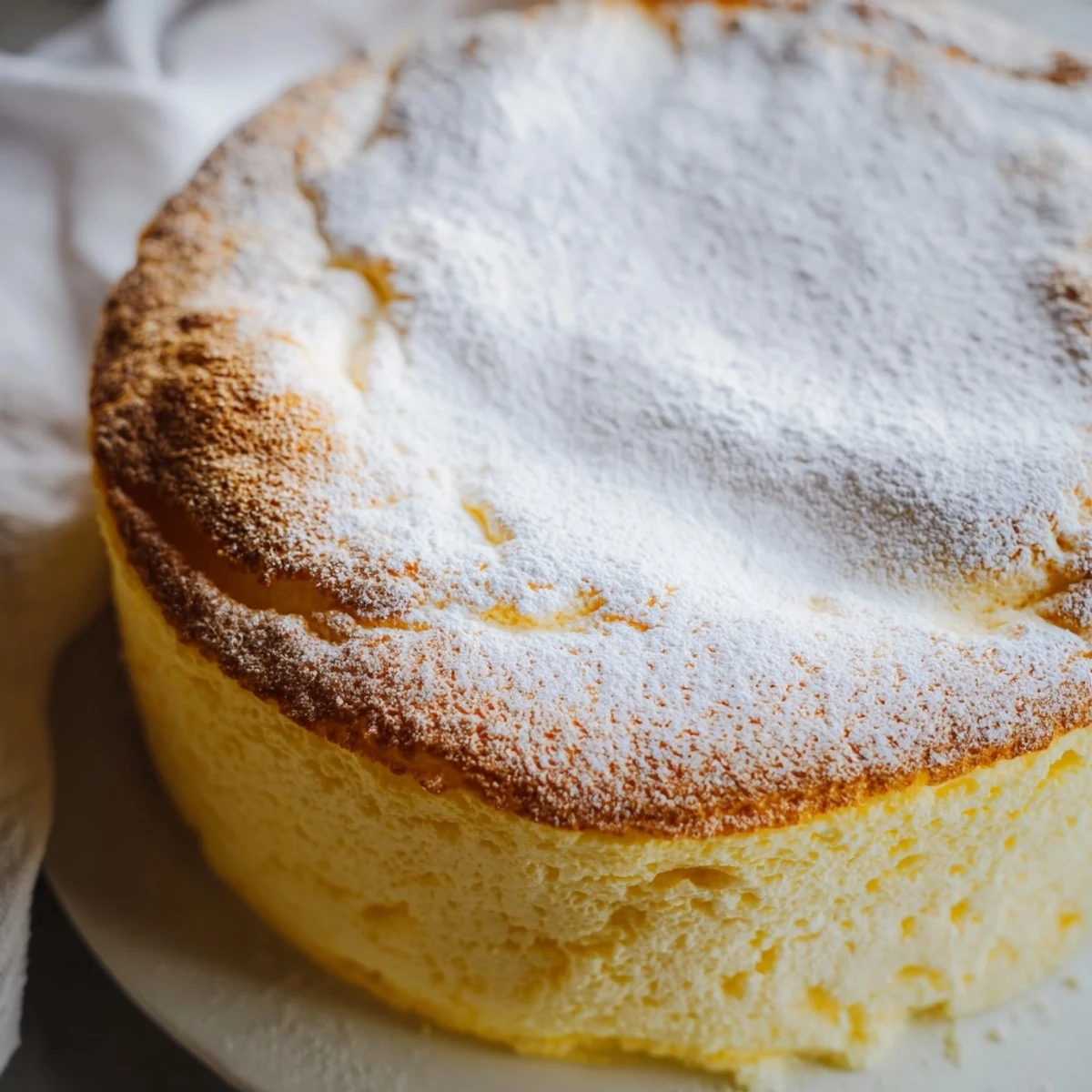
Save This cake has become my goto for unexpected guests because it looks impressive yet comes together so quickly. Last month my neighbor stopped by during a difficult week, and I served her slices with just a dusting of powdered sugar. She later told me that simple moment with this cake was exactly what she needed.
The Art of Folding
Folding egg whites without deflating them is an art form I've finally mastered after years of overthinking it. The key is treating the batter gently, almost as if you're trying not to wake something sleeping. I've found that using a rubber spatula and dragging it through the center, then folding the bottom over the top, works better than any other technique I've tried.
Yogurt Makes Everything Better
After testing this cake with various types of yogurt, I'm convinced fullfat Greek yogurt is nonnegotiable for the best texture. The higher fat content creates such tender crumbs, while the strained yogurt adds a subtle tang that keeps the cake from being cloyingly sweet. I've even experimented with different yogurt brands and noticed subtle differences in the final result.
Serving Suggestions
This cake is remarkably versatile and shines with simple accompaniments that don't compete with its delicate flavor. I've served it at everything from afternoon tea to dinner parties, and it never fails to impress.
- Fresh berries macerated with a touch of sugar make the perfect pairing
- A dollop of lightly sweetened whipped cream elevates it to dessert status
- Try it alongside a cup of fragrant tea for the ultimate afternoon treat
 Save
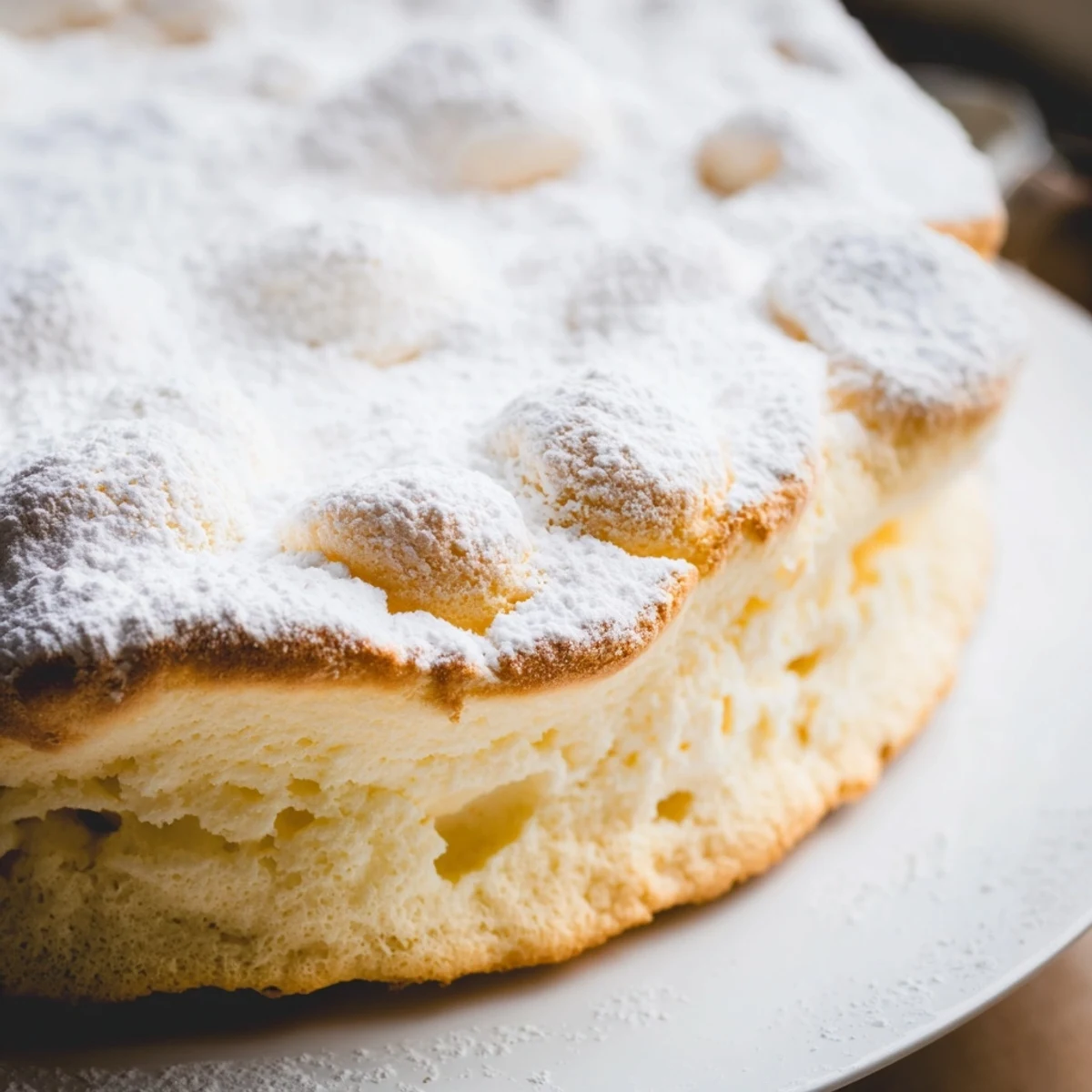
Save There's something deeply satisfying about a cake that relies on simple ingredients and technique rather than fancy equipment or hardtofind components. This yogurt cloud cake has taught me that sometimes the most unassuming recipes become the ones we return to again and again.
Recipe Questions
- → Can I use regular yogurt instead of Greek yogurt?
-
While regular yogurt can work, Greek yogurt is recommended for its thicker consistency which helps create the cake's structure and moisture balance. If using regular yogurt, you may need to reduce other liquids slightly and increase baking time by 5-10 minutes.
- → Why do I need to separate the eggs?
-
Egg separation is crucial for achieving the light, airy texture. The egg whites are whipped to stiff peaks and folded into the batter to create the signature cloud-like structure. If eggs are not separated, the cake will be denser and lose its signature fluffiness.
- → How do I know when the cake is done baking?
-
The cake is ready when the top is golden brown and a toothpick inserted into the center comes out clean. You can also gently press the top - it should spring back when touched. Be careful not to overbake, as this will dry out the cake.
- → Can I make this cake gluten-free?
-
Yes, you can substitute the all-purpose flour with a gluten-free flour blend. Look for a blend specifically designed for baking, as some gluten-free flours absorb moisture differently. You may need to adjust the liquid measurements slightly.
- → How should I store this cake?
-
Store the cake in an airtight container at room temperature for up to 3 days. For longer storage, you can freeze it wrapped tightly in plastic wrap and aluminum foil for up to 2 months. Thaw overnight in the refrigerator before serving.