
 Save
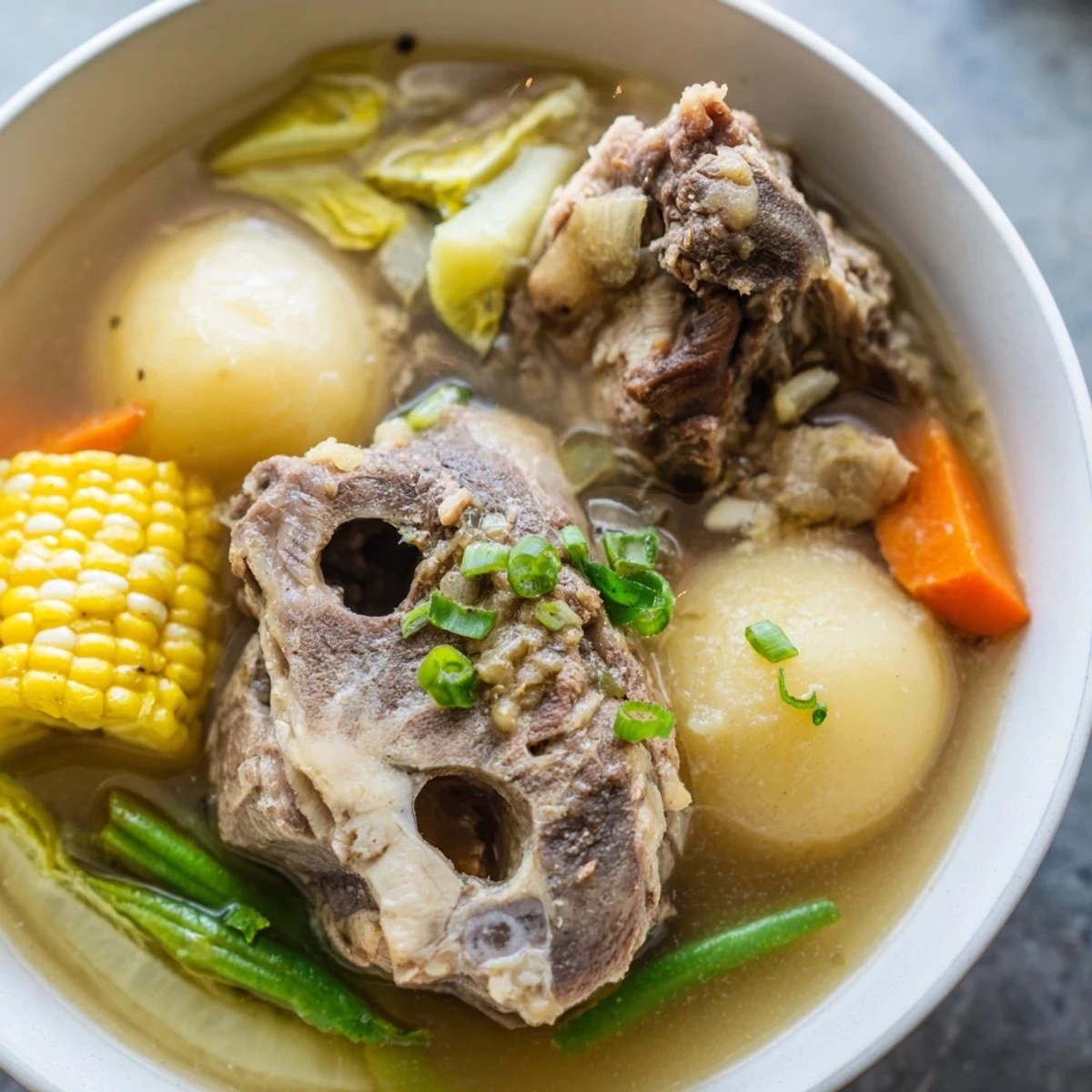
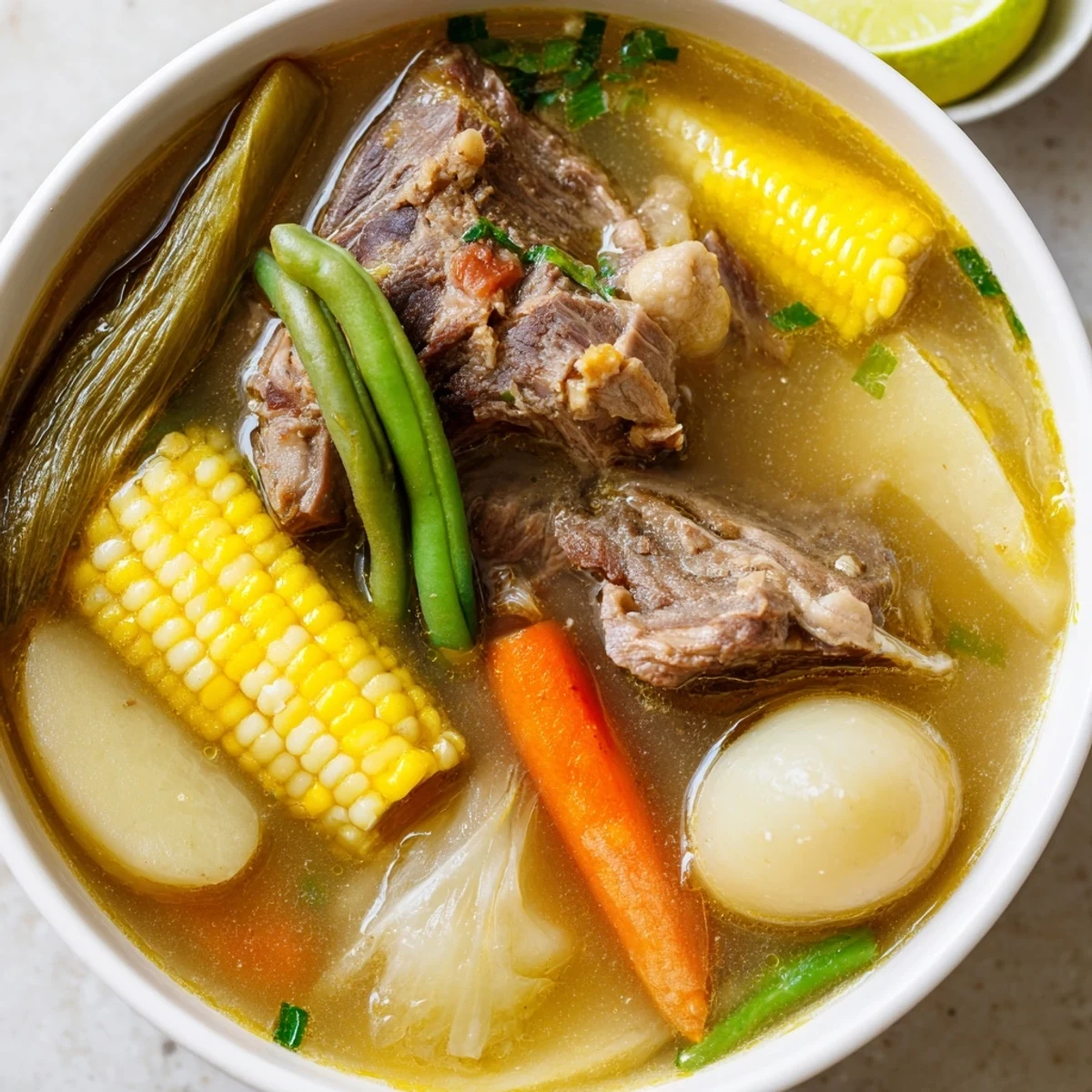
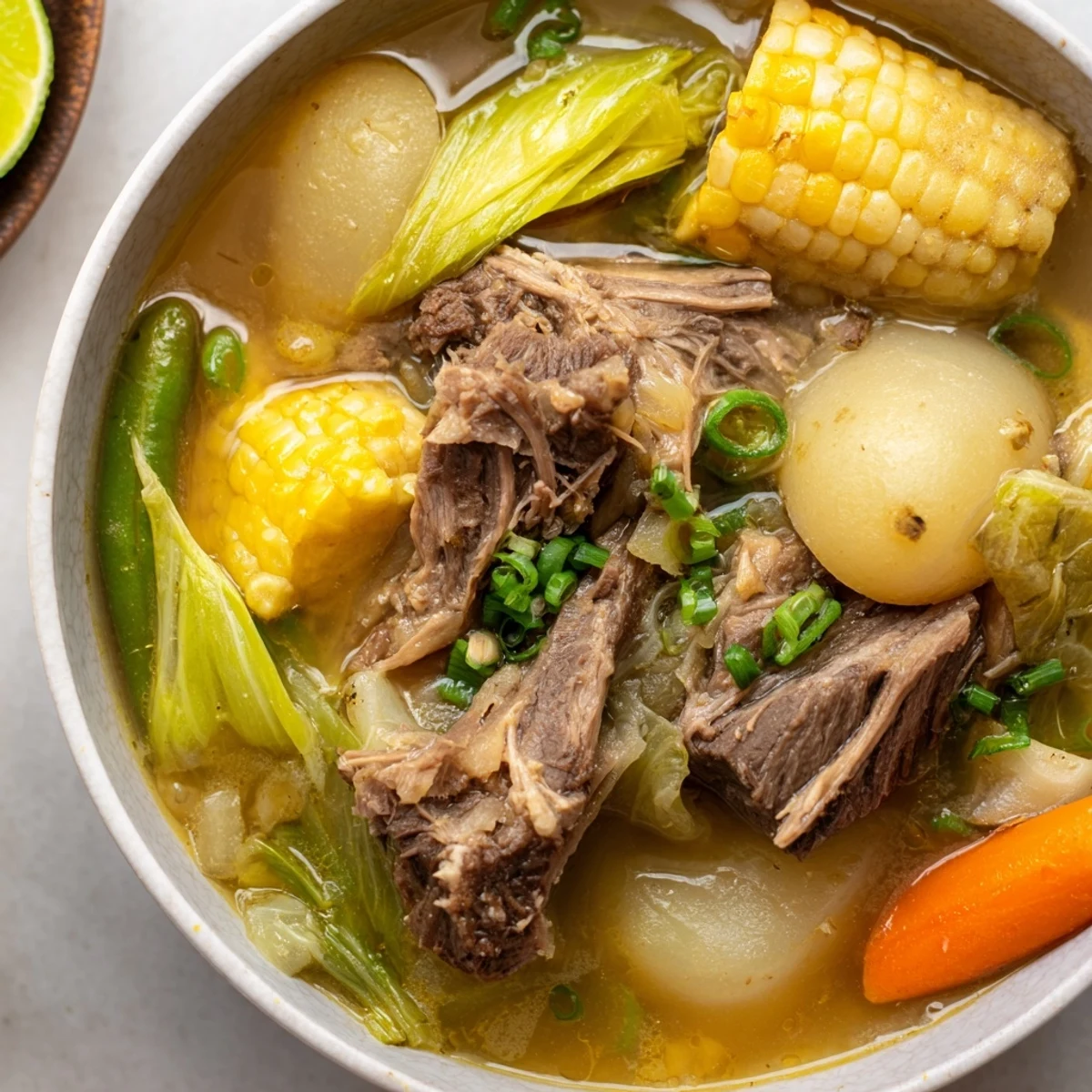
Save This classic Filipino comfort soup features beef shank simmered for hours until fork-tender, creating a rich and flavorful broth. The addition of bone marrow adds depth and richness, while vegetables like corn, potatoes, carrots, napa cabbage, and green beans make it a complete meal. The result is a warming, nourishing soup perfect for sharing with family on cool evenings. Serve with steamed jasmine rice and fresh calamansi for squeezing.
My Tita Lydia would simmer this soup for hours during rainy season visits, the whole house filling with that impossible comforting smell of beef and corn. She'd tell me patience was the secret ingredient while we sat at her kitchen table watching the rain. The way she'd carefully scoop out the marrow for me at the end made me feel so special.
Last Christmas Eve, I made a massive pot for my extended family. My cousin who never cooks anything kept going back for thirds. Everyone crowded around the stove, ladling their own bowls while catching up. That's when I knew this soup isn't just food, it's an excuse to gather.
Ingredients
- Beef shank with bone: This cut becomes meltingly tender after long simmering and the marrow is absolute magic in the broth
- Additional marrow bones: Optional but highly recommended for that extra depth that makes people ask what your secret is
- Fresh corn on the cob: Adds natural sweetness that balances the rich beef, cut larger pieces so they don't disintegrate
- Napa cabbage: Use baby cabbage if you can find it, adds a fresh bright contrast to all that richness
- Saba bananas: These Filipino plantains lend subtle sweetness and melt into the soup beautifully
- Fish sauce: Don't be tempted to skip this, it provides that essential umami backbone you can't get from salt alone
- Whole peppercorns: Crush them slightly before adding to release more of their warming aroma
Instructions
- Start with the best foundation:
- Place your beef shank and any extra marrow bones in your largest pot. Cover completely with cold water and bring to a rolling boil over high heat. Watch carefully as gray foam rises to the top.
- Clean the broth:
- Skim off every bit of scum and impurities that float to the surface. This step is worth the effort for that restaurant-clear broth. Lower heat to a gentle simmer and add your quartered onion, peppercorns, and fish sauce.
- Let time work its magic:
- Cover and maintain a steady simmer for about 2 hours. Check occasionally and add more water if needed. The beef should be fork-tender and practically falling off the bone.
- Add the hearty vegetables:
- Toss in your halved potatoes and chunked carrots. Let them cook for about 10 minutes until they're just beginning to soften.
- Introduce the sweet elements:
- Add corn pieces, plantain halves if using, and trimmed green beans. Cook another 10 minutes. The corn should be tender-crisp and the plantains starting to break down slightly.
- Finish with the delicate greens:
- Gently stir in your napa cabbage pieces. Cook just 2 to 3 minutes until wilted but still vibrant. You want them to retain some texture and bright color.
- Season to perfection:
- Taste your broth carefully. Adjust with more fish sauce or salt as needed. Remember the flavors will concentrate slightly as it sits.
- Serve with love:
- Ladle hot soup into bowls making sure everyone gets some marrow. Top generously with fresh chopped scallions. Serve with calamansi or lemon wedges on the side for squeezing.
 Save
Save My daughter now requests this for her birthday dinner every year. She sits at the counter 'helping' me skim the broth, just like I did with Tita Lydia. Some traditions are worth passing down.
Making It Clear
For the clearest broth possible, parboil your beef briefly first, discard that water, then start fresh with cold water. This extra step removes even more impurities. I learned this trick from a restaurant chef friend who makes the most pristine bulalo I've ever seen.
Vegetable Timing
Not all vegetables cook at the same speed, which is why the staggered addition method matters so much. Dense root vegetables need that head start while delicate greens practically melt with direct heat. The result is perfectly cooked everything, no mushy overcooked surprises.
Serving Suggestions
Set up a little topping bar and let everyone customize their bowl. Some people love extra scallions while others want more calamansi squeeze. I've seen relatives add a splash of hot sauce too.
- Steaming jasmine rice is the traditional accompaniment for soaking up that rich broth
- Keep extra fish sauce at the table so guests can adjust their own seasoning
- Small marrow spoons or even cocktail forks help guests get every precious bit from the bones
 Save
Save There's something about a steaming bowl of bulalo that makes any conversation deeper and any gathering warmer. I hope this recipe finds its way into your family's heart too.
Recipe Questions
- → What makes bulalo different from other beef soups?
-
Bulalo specifically uses beef shank with bone marrow, which creates a distinctly rich and gelatinous broth. The marrow melts into the soup, adding body and depth that you won't find in other beef soup varieties.
- → How long should I boil the beef shank?
-
Beef shank needs approximately 2 hours of simmering to become fork-tender. This slow cooking process breaks down the collagen and allows the marrow to release its rich flavors into the broth.
- → Can I use other vegetables in bulalo?
-
While traditional bulalo includes corn, potatoes, carrots, napa cabbage, and green beans, you can add pechay or bok choy as alternatives. The key is adding sturdier vegetables first and leafy greens near the end.
- → What is traditionally served with bulalo?
-
Bulalo is typically served with steamed jasmine rice and fresh calamansi wedges on the side. The citrus adds brightness that balances the rich broth, while the rice makes it a complete meal.
- → How can I make the broth clearer?
-
For a clearer broth, parboil the beef shank briefly, discard the first boil water, then start fresh. Skimming scum and impurities throughout cooking also helps maintain a clean, clear appearance.
- → Is fish sauce necessary for bulalo?
-
Fish sauce (patis) provides essential umami and saltiness traditional to Filipino cooking. If unavailable, you can substitute with salt, though the flavor profile will be slightly different.