
 Save
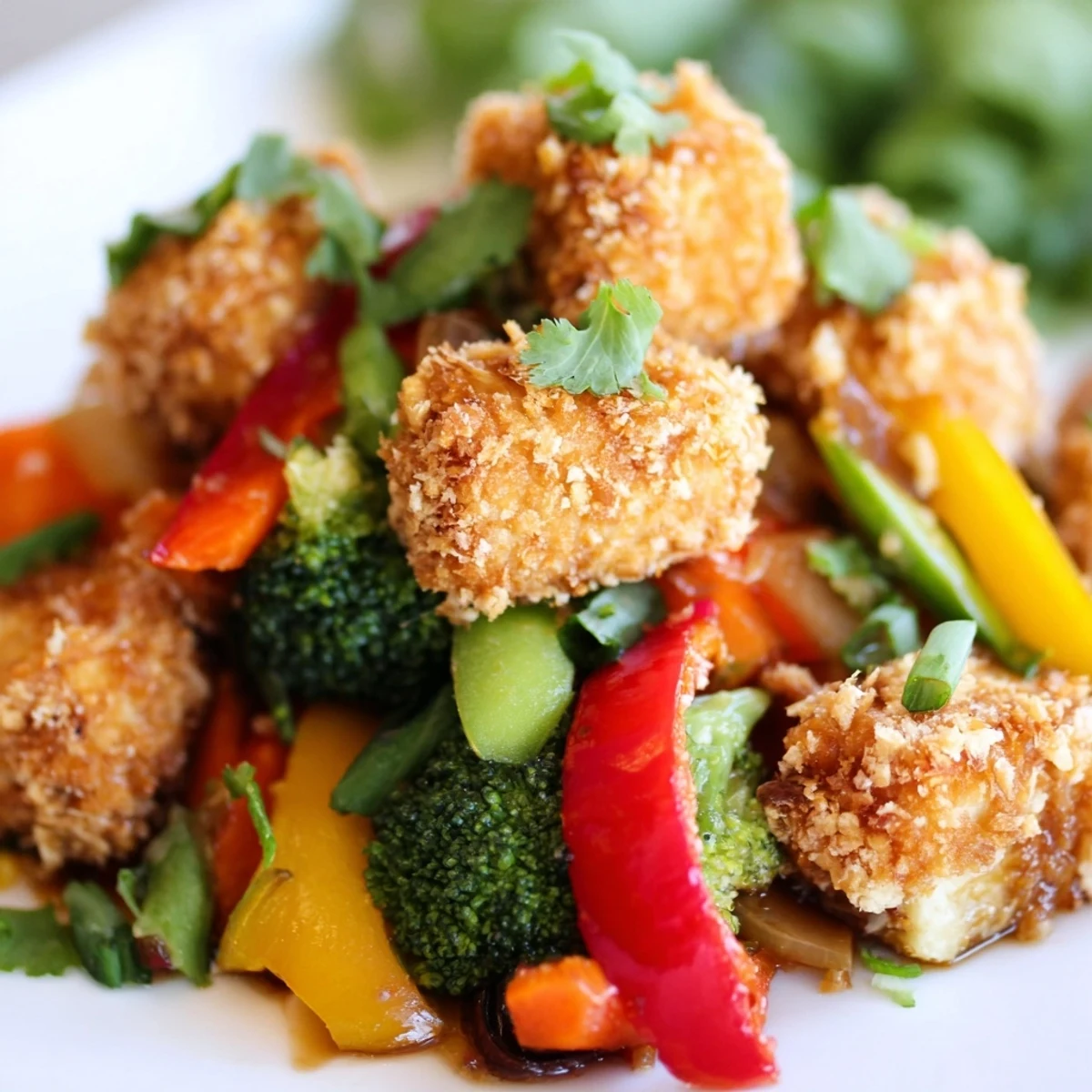
Save This dish features extra-firm tofu coated in shredded coconut and panko, fried to a golden crisp. It’s served alongside a medley of vibrant stir-fried vegetables tossed in a tangy soy, rice vinegar, maple syrup, and ginger sauce. The combination delivers a satisfying texture contrast and bold flavors, complemented with fresh cilantro and lime. Perfect for a quick, plant-based main with Asian-inspired notes.
The first time I made coconut tofu was out of pure improvisation—I had a block of extra-firm tofu sitting in my fridge and a craving for something with real crunch. My friend was coming over for dinner, and I was determined to prove that plant-based cooking could be just as satisfying as anything else. I grabbed some panko, shredded coconut, and before I knew it, I had golden, crispy cubes sizzling in my skillet. The smell alone had me convinced this was going to become a regular rotation in my kitchen.
I made this for my partner on a Thursday night when we were both exhausted, and somehow it turned into this moment where we both paused mid-bite and just smiled at each other. There's something about crispy, golden food that shifts your whole mood, especially when you didn't think you had the energy to cook. Since then, it's been our quiet-weeknight-win dinner, the one I make when we need something that feels both comforting and exciting.
Ingredients
- Extra-firm tofu: Press it really well—I learned the hard way that the drier your tofu, the crispier it gets when you coat and fry it.
- Cornstarch: This is what gives you that crackling exterior; don't skip it or reach for flour instead.
- Shredded coconut and panko: The combination of both creates a double-textured crust that's almost impossibly good.
- Coconut milk (or plant milk): Acts as your binding agent to help the coating stick and cling beautifully.
- Bell peppers, broccoli, carrots, and sugar snap peas: Pick whatever's brightest at the market—this dish celebrates color and crunch.
- Fresh ginger and garlic: These transform the sauce from basic to alive; use fresh, never bottled.
- Sesame oil: Just a teaspoon adds an earthy depth that makes people ask what your secret is.
Instructions
- Press and cube your tofu:
- Wrap your tofu block in a clean kitchen towel and let it sit under something heavy for at least 10 minutes—a cast iron skillet works perfectly. Cut into roughly 2 cm cubes and you'll hear them click slightly if they're pressed well enough.
- Set up your coating stations:
- Three bowls in a row: one with cornstarch, salt, and pepper; one with coconut milk; and one with coconut and panko mixed together. It might feel like overkill until you see how evenly your tofu gets coated.
- Bread the tofu:
- Work quickly but gently—toss each cube in cornstarch first, then dip in milk, then roll in the coconut mixture. The coating should look shaggy and generous, not thin.
- Fry until golden:
- Heat your oil over medium heat (too hot and the outside burns before the inside cooks) and fry the tofu in batches, turning so each side gets about 2–3 minutes. You'll see the edges turn golden first—that's when you know it's working.
- Stir-fry your vegetables in order:
- Start with the hardest vegetables (carrots and broccoli) so they have time to soften slightly, then add faster-cooking ones (peppers and snap peas). The key is high heat and constant movement so they stay vibrant, not dull and steamed.
- Make and pour your sauce:
- Whisk everything together and taste it before it touches the vegetables—it should make you pause. Pour it over and toss everything together gently, then add the spring onions at the very last second so they stay fresh and bright.
- Bring it all together:
- Top the vegetables with your crispy tofu, garnish with cilantro and lime, and watch people's faces when they bite into it.
 Save
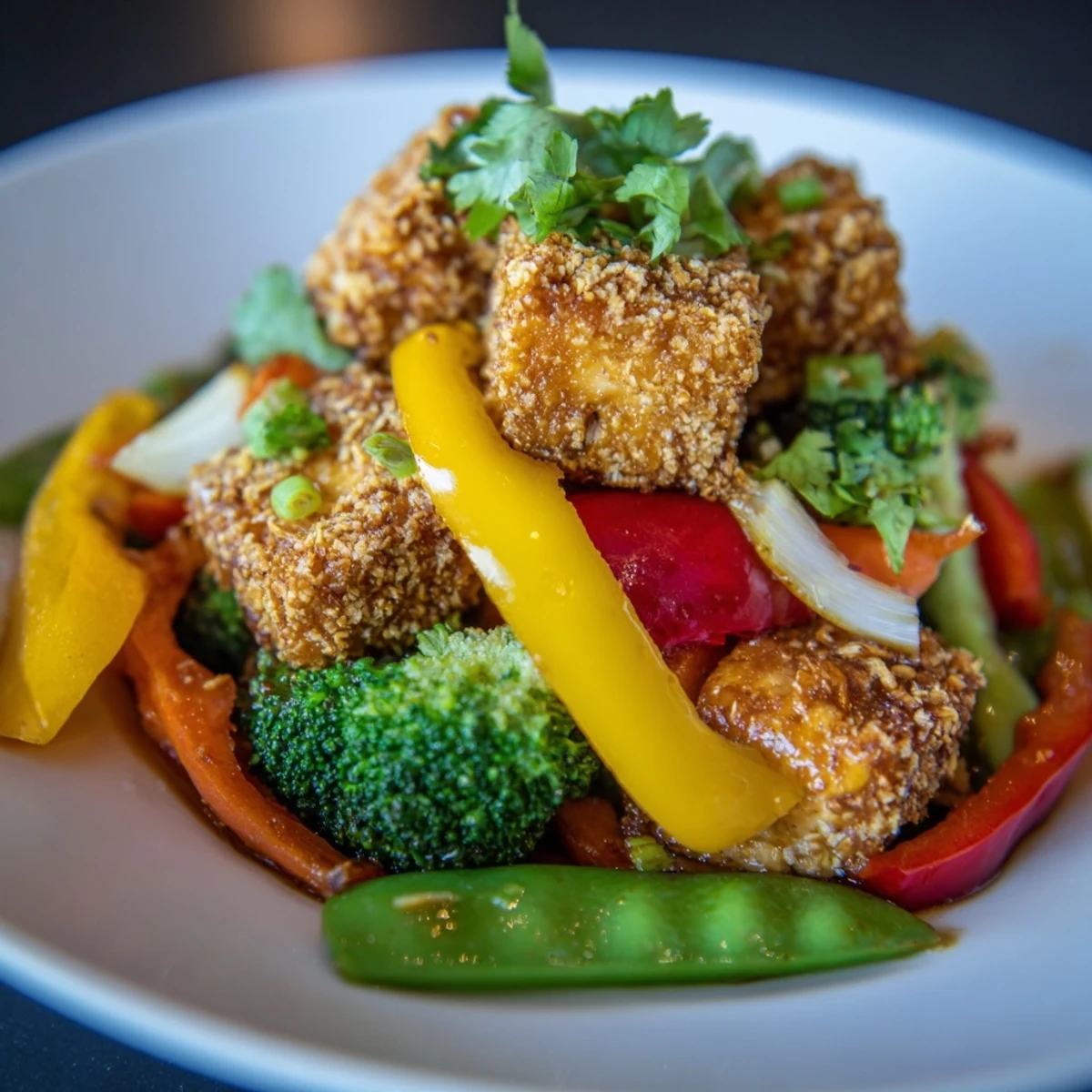
Save One evening, my neighbor knocked on my door drawn by the smell, and I ended up making extra and we ate it standing at my kitchen counter, talking about nothing important. That's when I realized this dish does something special—it brings people in, makes them want to linger. It's humble enough to feel like everyday cooking, but impressive enough that you feel a little proud serving it.
Why The Coconut Crust Works
Coconut doesn't just taste good here—it crisps up differently than regular breadcrumbs because of its natural oils. The shreds catch and brown in the hot oil, creating these almost lacy, crunchy edges that stay crunchy even when warm. Mix it with panko and you get a textural depth that keeps surprising you with every bite.
The Sauce is Everything
I made this once without the sesame oil, thinking I was saving myself a trip to the store, and the sauce tasted flat and forgettable. The sesame oil is small but essential—it adds this warm, toasted note that makes people pause and actually notice what they're tasting. Fresh ginger matters too; I've tried using older ginger and it just doesn't have the same brightness.
Building Your Perfect Bowl
This dish is flexible enough to adapt to what you have, but structured enough that it always works. Jasmine rice is my default because its delicate flavor doesn't compete, though brown rice adds earthiness if you want something heavier. The cilantro and lime at the end aren't garnish—they're essential brightness that lifts the whole plate.
- If you can't find sugar snap peas, snow peas or thinly sliced zucchini work beautifully.
- A squeeze of fresh lime over the top before eating changes everything—don't skip this step.
- Leftovers are somehow better the next day when the flavors have settled together.
 Save
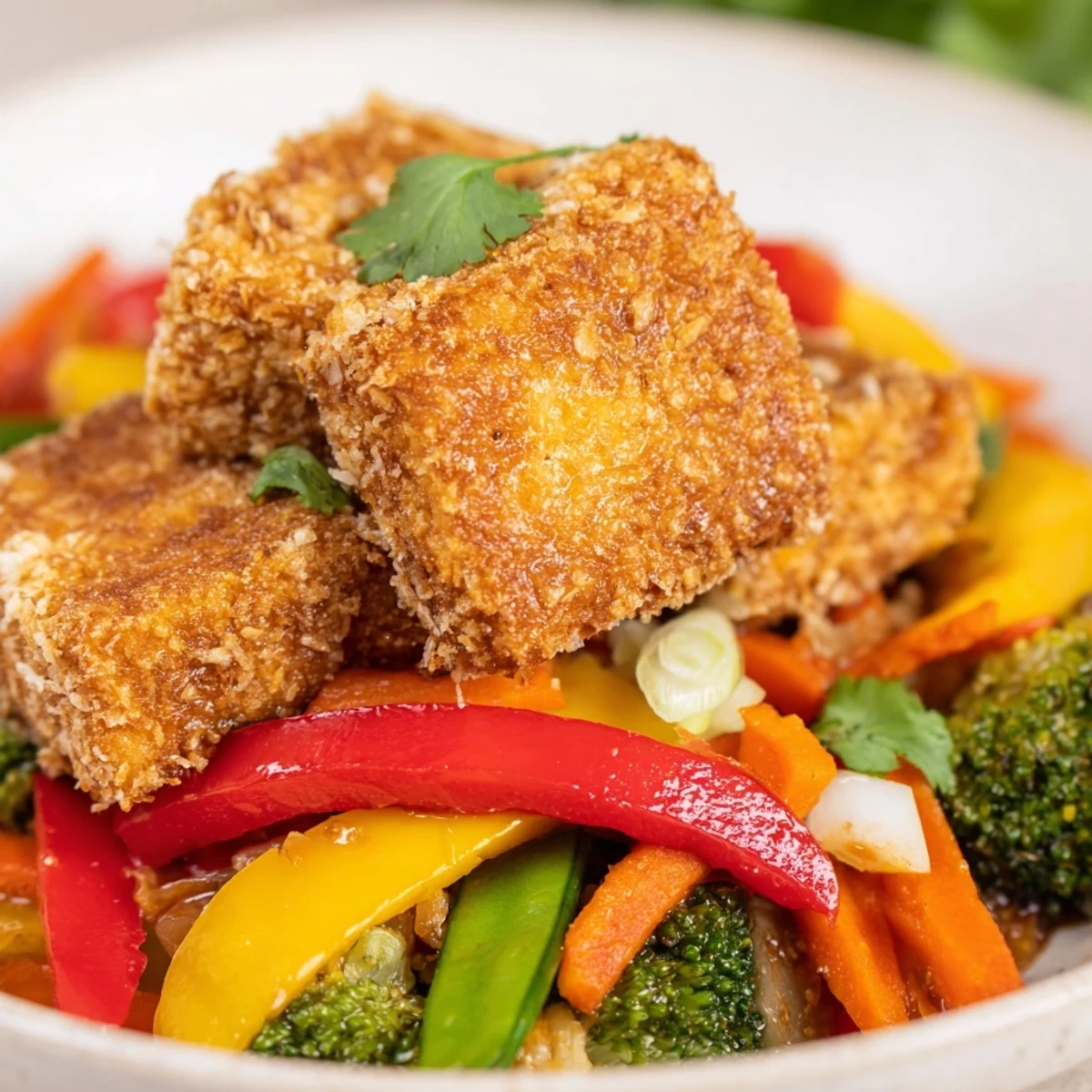
Save This is the kind of recipe that gets better every time you make it, as you learn where your heat needs to be and how your vegetables like to be treated. It's become my answer to the question: what can I make that's both deeply satisfying and still somehow feels light and healthy?