
 Save
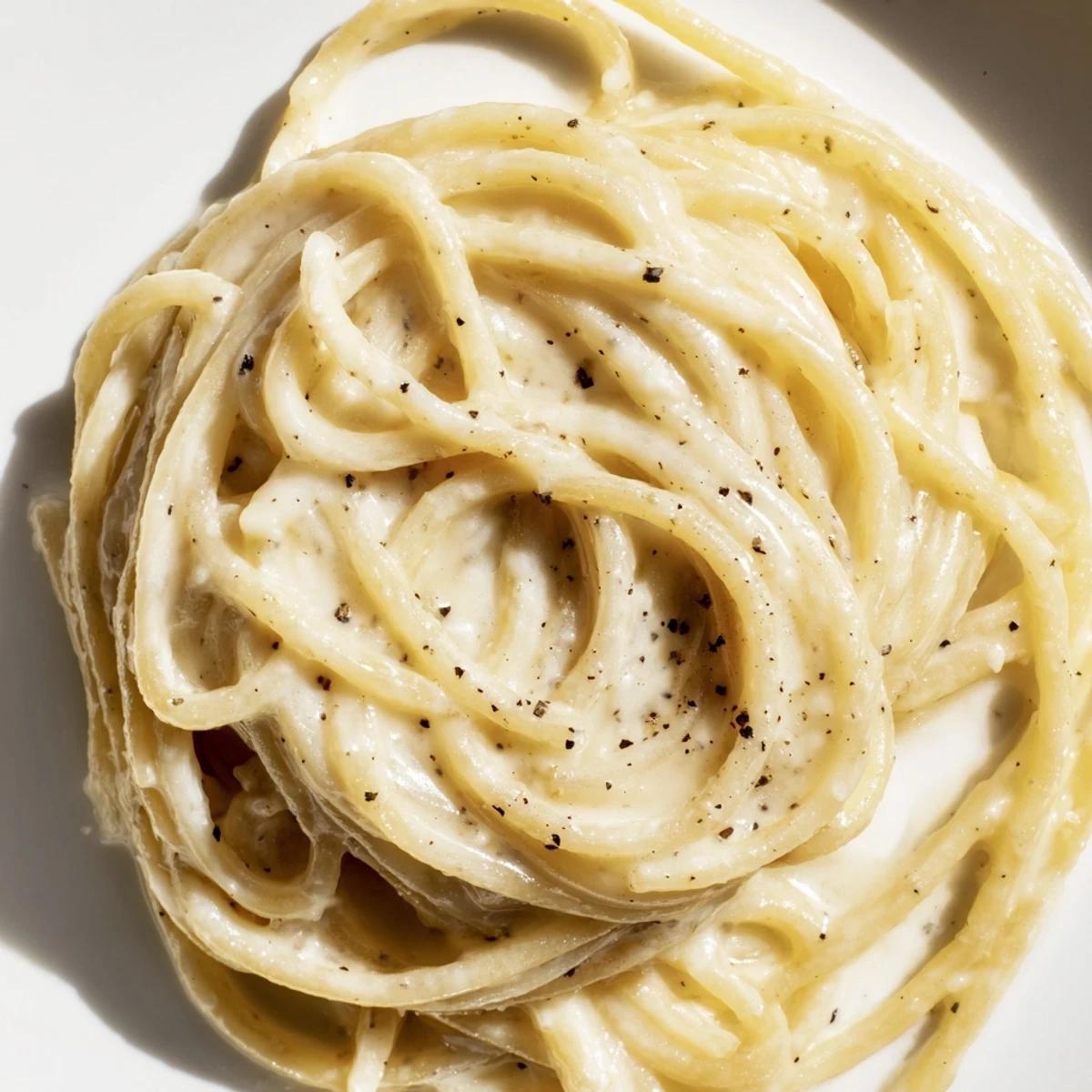
Save This beloved Roman classic transforms simple ingredients into pure comfort. Spaghetti gets coated in a silky emulsion of sharp Pecorino Romano and freshly cracked black pepper, creating that signature creamy sauce without any cream. The key lies in toasting the pepper to release its aromatic oils and using starchy pasta water to bind everything together into a velvety coating that clings perfectly to each strand.
The first time I attempted Cacio e Pepe in my tiny apartment kitchen, I ended up with a clumpy, separated mess that looked nothing like the silky, glossy pasta I had devoured in Rome. It took three failed attempts, a深夜 phone call to an Italian friend, and discovering the magical emulsion trick of whisking the cheese into a paste with hot pasta water before it ever touches the noodles.
Last winter, during a particularly brutal week when everything felt overwhelming, I made this for dinner three nights in a row. There is something profoundly comforting about standing over the stove, toasting pepper until it fills the kitchen with this warm, spicy fragrance that seems to push back against the cold world outside.
Ingredients
- Spaghetti or tonnarelli: The texture matters here since you need surface area for that sauce to cling to, and thinner strands work better than thick rigatoni
- Pecorino Romano cheese: Use the youngest, freshest wedge you can find and grate it yourself right before cooking because pre-grated cheese has anti-caking agents that ruin the emulsion
- Freshly ground black pepper: Grind it right before you toast it because once pepper sits around, it loses that sharp bite that makes this dish sing
- Starchy pasta water: This liquid gold is what actually makes the sauce work, so do not drain all of it like you normally would
Instructions
- Toast the pepper:
- Heat your skillet over medium heat and add the freshly ground pepper, letting it toast for about a minute until you can smell it becoming fragrant and slightly nutty
- Cook the pasta:
- Boil your water with just a half teaspoon of salt and cook the spaghetti until it is just barely al dente, then scoop out about one cup of that starchy water before you drain anything
- Make the cheese paste:
- In a mixing bowl, combine your grated Pecorino with a few tablespoons of the hot pasta water and whisk it until it becomes a thick, creamy paste
- Create the emulsion:
- Add half a cup of pasta water to the skillet with the toasted pepper and let it simmer, then toss in your cooked pasta and remove from heat completely
- Combine everything:
- Gradually work in the cheese paste while tossing constantly, adding more pasta water as needed until the sauce clings to each strand in a glossy, silky coat
 Save
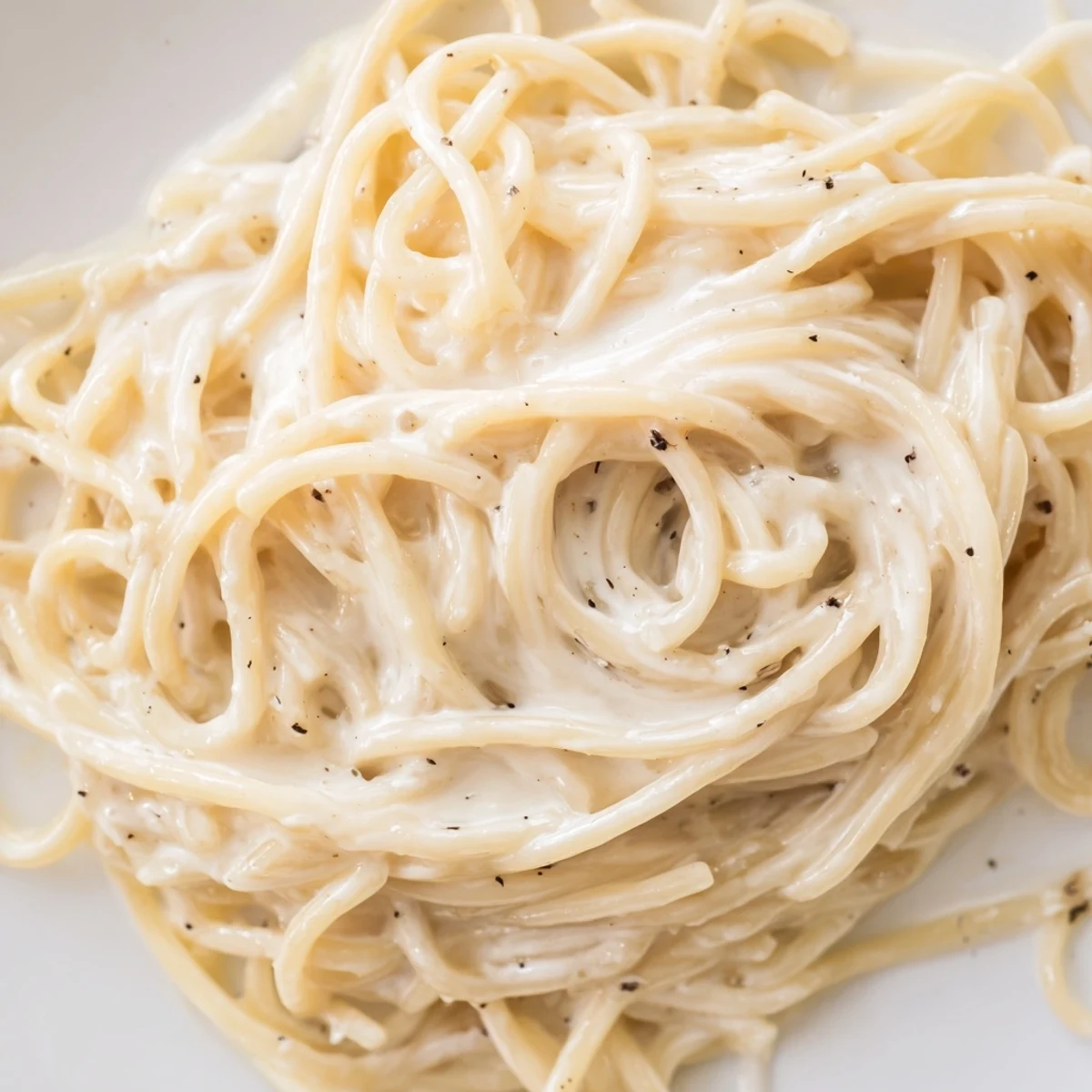
Save This recipe became my go-to for first dates because it is impressive enough to feel special but simple enough that I could actually focus on my guest instead of being trapped in the kitchen. The way the steam rises from the bowl, carrying that pepper perfume across the table, always seems to make conversations flow easier.
Getting That Restaurant Style Emulsion
The real secret that restaurants know is the rhythm of adding cheese to water, not water to cheese. When you make that paste first in a separate bowl, you are giving the cheese a chance to hydrate and dissolve before it even meets the hot pan, which is what prevents that grainy, separated disaster that happens to everyone their first time attempting this dish.
When Your Sauce Breaks
If you are standing there with a clumpy mess and panic rising in your chest, do not throw it away and order pizza. Just whisk a tiny bit more hot pasta water into your remaining cheese paste until it smooths out, then try again with the pan completely off the heat, moving faster this time.
Making It Your Own
Once you have mastered the basic technique, you will start seeing opportunities everywhere. Some nights I add a splash of white wine to the pepper when I toast it, or stir in a handful of arugula at the end so it wilts into the hot pasta.
- Try adding a smashed garlic clove to the pepper while toasting for a subtle undertone
- A drizzle of really good olive oil right before serving adds this lovely fruitiness that cuts through the rich cheese
- If you want it vegetarian, double check that your Pecorino uses vegetarian rennet because traditional versions do not
 Save
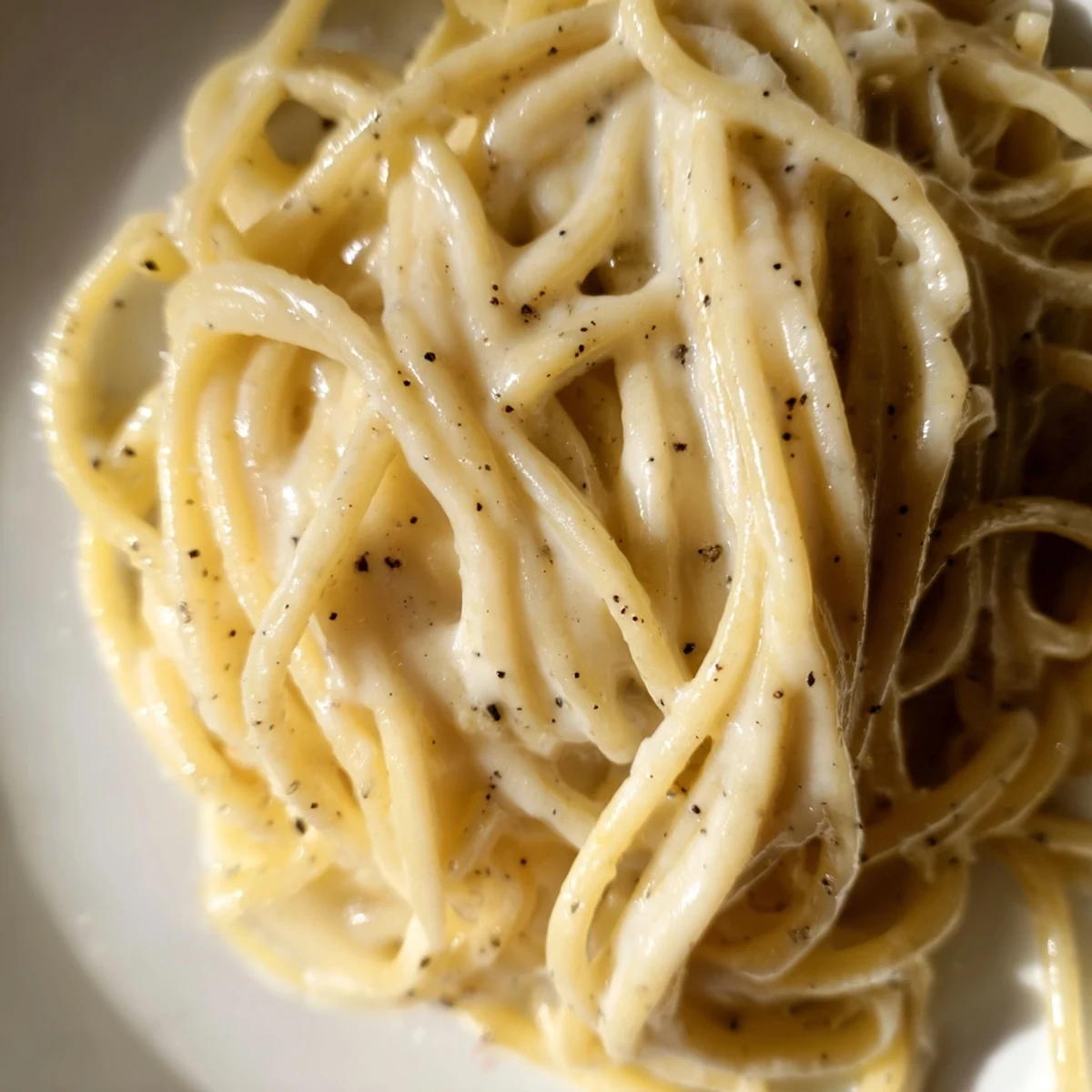
Save There is something almost meditative about the rhythm of this dish, the way it demands you be present and attentive. Maybe that is why I keep coming back to it, especially on nights when I need to remember that simple things, done with care, can become something extraordinary.
Recipe Questions
- → What does cacio e pepe mean?
-
Cacio e pepe translates to 'cheese and pepper' in Italian. The name perfectly describes this minimal Roman dish featuring Pecorino Romano cheese and freshly ground black pepper as the primary flavor components.
- → Why is my sauce clumping?
-
Clumping occurs when cheese is added directly to heat. Always remove the pan from heat before incorporating the cheese paste. The residual warmth is sufficient to melt the Pecorino while maintaining that smooth, emulsified texture.
- → Can I use Parmesan instead of Pecorino?
-
While Parmesan works in a pinch, authentic cacio e pepe requires Pecorino Romano. Its sharper, saltier profile and unique melting properties create the traditional creamy sauce that defines this Roman specialty.
- → Why use less water for boiling pasta?
-
Using less water creates a starchier cooking liquid. This starchy pasta water is essential for emulsifying the cheese and pepper into that signature silky coating that clings beautifully to every strand of spaghetti.
- → What pasta shape works best?
-
Long thin noodles like spaghetti, tonnarelli, or bucatini are traditional choices. Their shape allows the sauce to coat evenly and cling perfectly. Tonnarelli offers the most authentic Roman texture with its slightly rough surface.
- → How much pepper should I use?
-
Two teaspoons of freshly ground black pepper provides the classic spicy kick characteristic of this dish. Toasting the pepper first intensifies its aroma, creating that distinctive warming finish balanced by the rich Pecorino.