 Save
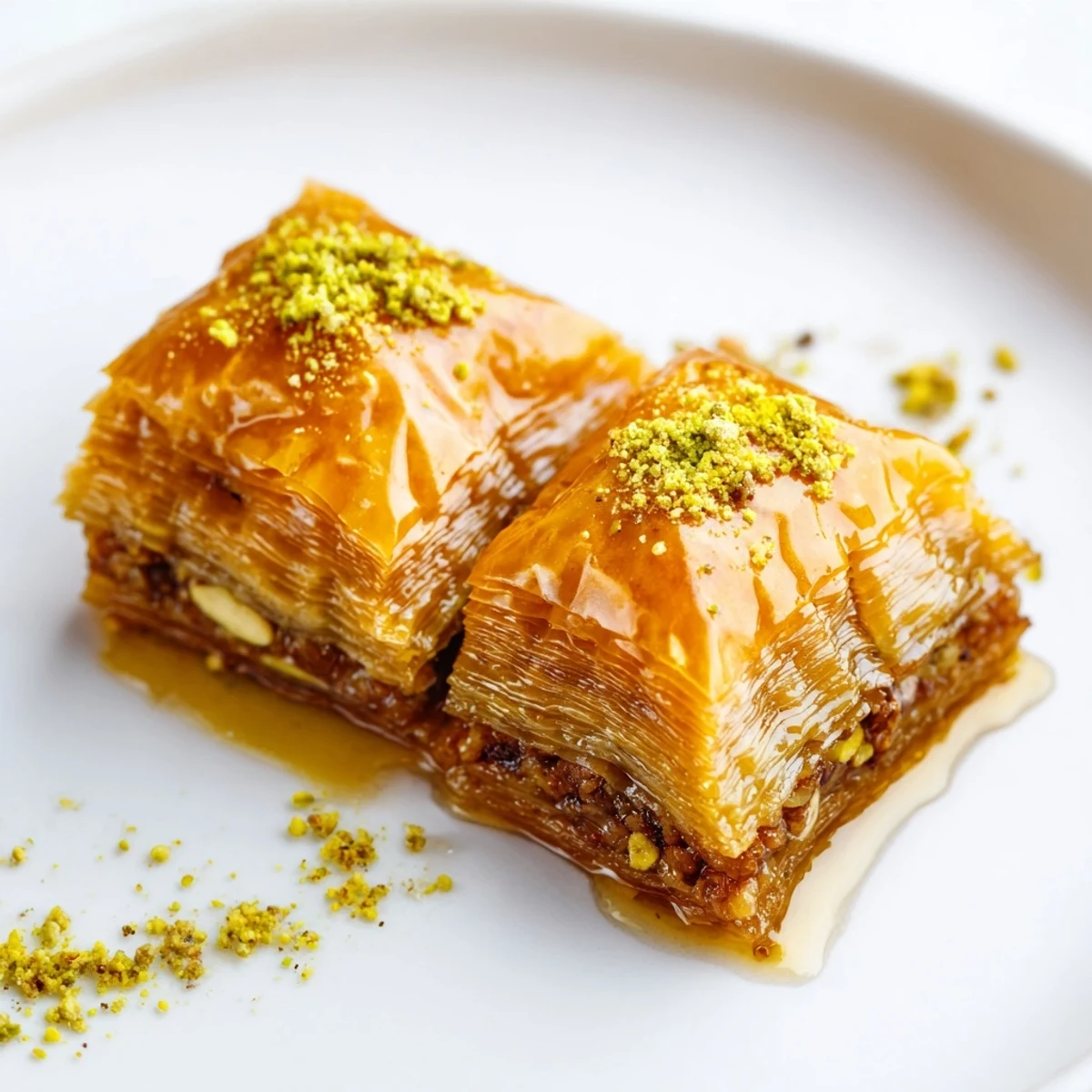
Save This traditional Balkan dessert features delicate layers of butter-brushed phyllo dough alternating with a fragrant mixture of finely chopped walnuts, almonds, and pistachios. The nuts are warmed with cinnamon and cloves, creating aromatic layers that bake until golden and crisp.
What truly sets this version apart is the syrup—made by simmering sugar with water, lemon juice, honey, and optional rose or orange blossom water. Pouring the hot syrup over freshly baked pastry allows every layer to absorb sweetness while maintaining texture.
Best enjoyed the following day when flavors have fully melded, each piece delivers a satisfying crunch followed by the melt-in-your-mouth richness of honey-soaked nuts. Perfect alongside strong Bosnian coffee or black tea.
The first time I watched my grandmother make baklava, I was mesmerized by how she moved those delicate phyllo sheets like she was handling fabric rather than food. Her hands moved with practiced confidence, brushing butter so thinly and evenly that each layer became translucent in the light. I've since learned that patience matters more than precision with this dough, though I still hold my breath every time I peel apart a fresh sheet.
Last winter, I made three trays for a neighborhood gathering and watched them disappear in under twenty minutes. Someone's aunt asked for the recipe, and when I explained the process, she laughed and said her family makes it completely differently. That's the beauty of Bosnian kitchens, everyone has their own ratio of nuts to syrup, their own butter technique, their own memory attached to the scent of cinnamon and honey.
Ingredients
- 500 g phyllo dough: Keep it covered with a damp towel while working because dried out sheets will tear and frustrate you endlessly
- 250 g walnuts: Finely chopped nuts distribute evenly and prevent those awkward gaps in the filling layers
- 100 g almonds: Mixing nut varieties creates depth of flavor that walnuts alone cannot achieve
- 100 g pistachios: These add a beautiful green fleck throughout and a slightly different texture
- 100 g sugar: The filling needs sweetness to balance the buttery richness of all those layers
- 1 tsp ground cinnamon: Warm spice that makes the whole house smell like memories and comfort
- 1/4 tsp ground cloves: Just enough to add mystery and warmth without overpowering everything else
- 250 g unsalted butter: Melted and brushed generously because butter equals flavor and that essential crispness
- 400 g sugar: The syrup demands this much sugar to achieve the right consistency and preservation
- 250 ml water: Creates the syrup base that will eventually soak into every layer
- 100 ml honey: Adds floral complexity that plain sugar syrup cannot replicate
- 1/2 lemon: Acid balances all that sweetness and keeps the syrup from becoming cloying
- 1 tbsp rose water: This optional ingredient transforms good baklava into something extraordinary and fragrant
Instructions
- Get everything ready before you start:
- Preheat your oven to 180°C (350°F) and butter your 23x33 cm pan thoroughly because phyllo sticks to everything
- Mix your filling ahead:
- Combine all the nuts, sugar, cinnamon, and cloves in a bowl so you're not scrambling mid assembly with buttery hands
- Build the foundation:
- Lay down 6 to 8 buttered sheets of phyllo as your base, brushing each one lightly and working quickly
- Add the first nut layer:
- Sprinkle exactly one third of your filling mixture evenly across the phyllo, spreading it gently with your hands
- Layer and repeat:
- Add 4 or 5 more buttered sheets, then another third of nuts, repeating until all filling is used
- Finish strong:
- Top with remaining phyllo sheets, buttering each one including the very top layer which should be well coated
- Cut before baking:
- Use your sharpest knife to cut diamonds or squares all the way through before the baklava goes into the oven
- Bake until golden:
- Cook for 35 to 40 minutes until the top turns that perfect deep golden color and you can smell the butter and cinnamon
- Make the syrup:
- While the baklava bakes, boil sugar, water, and lemon juice for 8 to 10 minutes before stirring in honey and rose water
- The crucial moment:
- Pour hot syrup over hot baklava immediately, listening for that satisfying sizzle, then let it cool completely
 Save
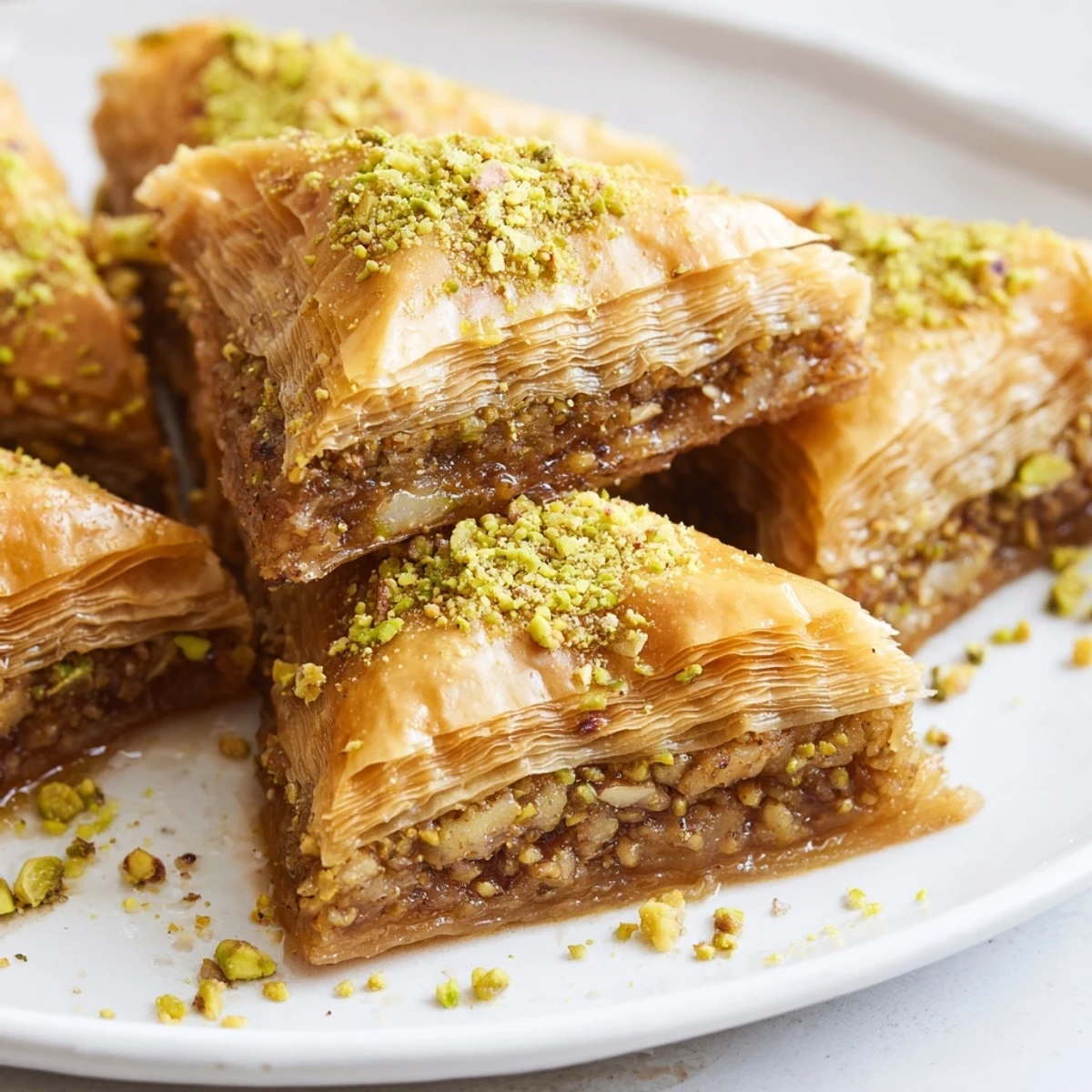
Save My first attempt at baklava ended with burnt edges and a soggy middle because I poured cooled syrup over hot pastry. The difference between that disappointing attempt and the version I make now comes down to temperature and timing. Now I plan the whole afternoon around this recipe because rushing through the layers shows in the final result.
Making Ahead
Baklava actually improves after sitting for a day, giving the syrup time to fully penetrate all those buttery layers. I've learned to make it the evening before serving, covering it tightly once completely cooled. The texture transforms from slightly crisp to meltingly tender while still maintaining that essential shatter when you bite into a piece.
Serving Suggestions
Small pieces go a long way because this dessert is incredibly rich and meant to be savored slowly. I serve it alongside strong Bosnian coffee or black tea, letting the bitterness balance all that sweetness. A tiny dusting of ground pistachios on top makes even humble slices look like they came from a bakery.
Storage Secrets
Proper storage keeps baklava fresh for up to a week at room temperature, though it rarely lasts that long in my house. An airtight container is essential because exposure to air makes the phyllo lose its signature crispness. The syrup also helps preserve everything naturally, which is why traditional recipes keep so well without refrigeration.
- Avoid refrigeration because it makes the phyllo tough and less enjoyable
- Place wax paper between layers if you need to stack pieces for storage
- Bring to room temperature before serving for the best texture and flavor experience
 Save
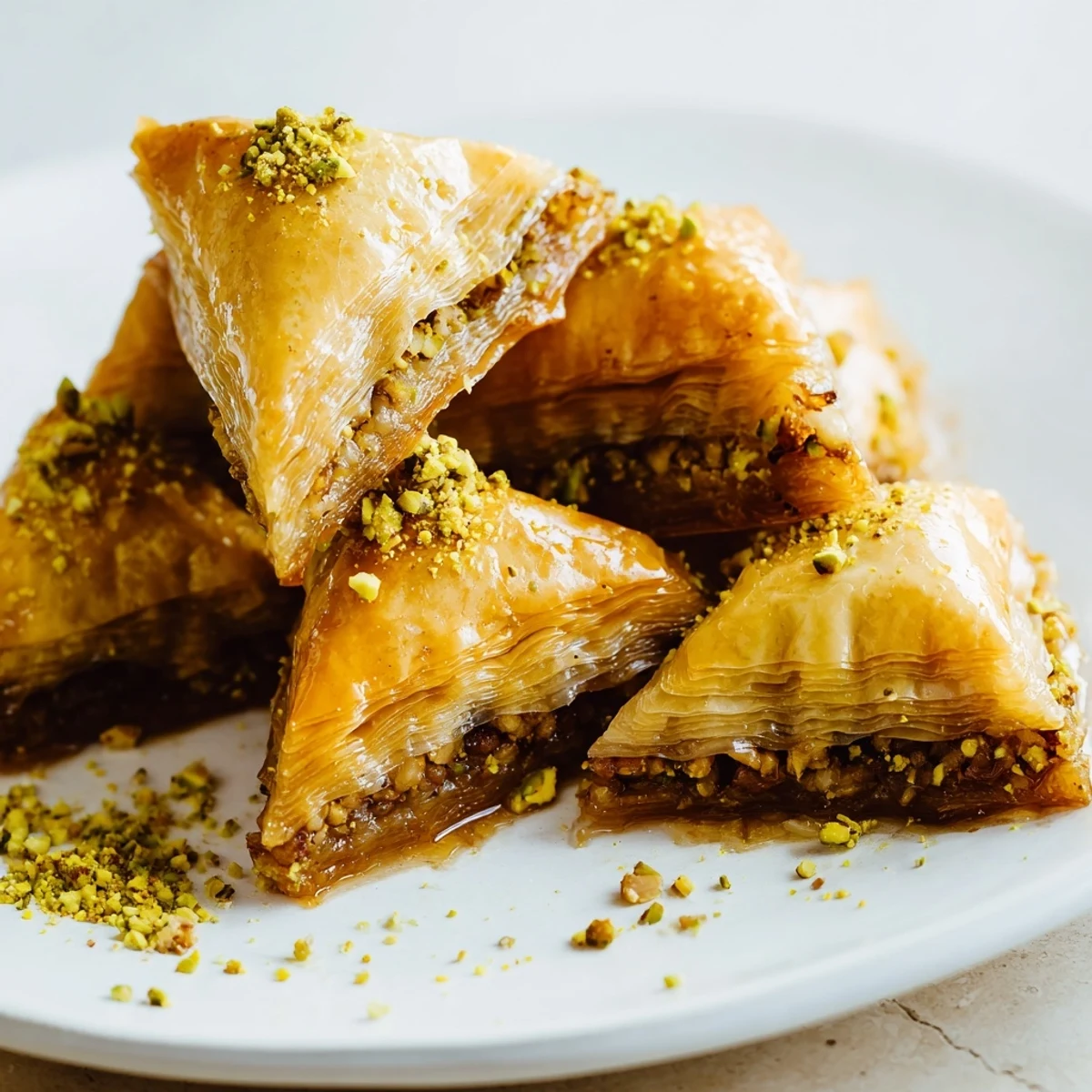
Save Every time I pull a tray of golden baklava from the oven, I'm transported back to that tiny kitchen watching my grandmother's hands work their magic. The recipe has become my own over the years, but the joy of sharing something made with such care remains exactly the same.
Recipe Questions
- → How long should baklava cool before serving?
-
Allow the pastry to cool completely at room temperature for 2-3 hours after pouring the syrup. For the best flavor and texture, refrigerate overnight and serve the next day. This allows the syrup to fully penetrate every layer, creating that characteristic moistness while preserving the crisp top layer.
- → Can I substitute different nuts in the filling?
-
Absolutely. While walnuts and almonds form the traditional base, you can adjust proportions or substitute hazelnuts, pecans, or cashews. Pistachios add lovely color and flavor but can be replaced with additional walnuts if preferred. Maintain the total weight of 450g nuts for proper layering and texture.
- → Why is the syrup added while both are hot?
-
Hot syrup poured over hot pastry creates ideal absorption. The heat helps the syrup penetrate deeply without making the phyllo soggy. If either cools too much, the syrup won't distribute evenly, resulting in dry patches or overly saturated sections. Timing is crucial for that perfect balance.
- → How do I prevent phyllo from drying out during assembly?
-
Keep unused phyllo sheets covered with a damp cloth or plastic wrap while working. Work quickly but carefully—brush each sheet with butter immediately after placing it. If edges dry out, trim them slightly. The buttered layers create natural moisture barriers that protect the structure during baking.
- → What's the best way to cut baklava?
-
Cut through all layers before baking using a very sharp knife. Diamond shapes are traditional, but squares work equally well. Cut firmly in one motion rather than sawing, which can shift the layers. The cuts will remain distinct after baking, making portioning easier and allowing syrup to reach edges.
- → How should I store leftover baklava?
-
Store in an airtight container at room temperature for up to one week. The sugar and honey act as natural preservatives. Avoid refrigeration, which can make the phyllo soggy. If layering pieces, separate with parchment paper to prevent sticking. Serve at room temperature for the best texture.