
 Save
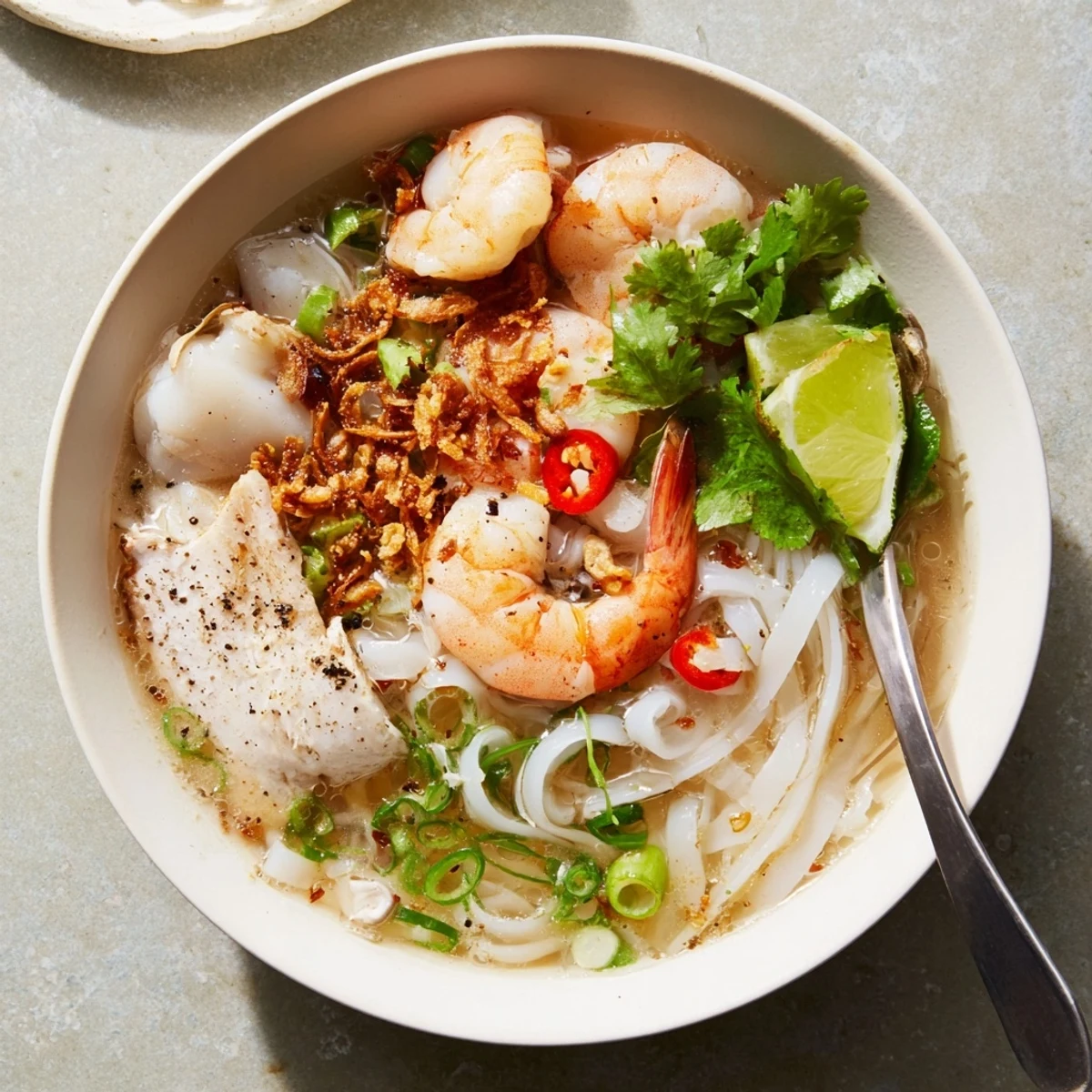
Save Banh Canh Cua brings the authentic flavors of Vietnamese street food to your kitchen with its signature thick, chewy tapioca noodles swimming in a deeply savory broth. The combination of fresh crab meat, sweet shrimp, and sliced fish cakes creates layers of seafood flavor that develop beautifully during the 30-minute simmer.
This soup balances richness from pork bones and chicken stock with the bright acidity of lime wedges and fresh herbs. The garnishes—fried shallots, cilantro, spring onions, and optional chili—add texture and customizable heat.
Ready in just over an hour, this pescatarian main dish serves four generously and offers flexibility with fresh or frozen crab. Adjust the fish sauce and salt to your preference, and don't skip the fried shallots for that essential restaurant-quality finish.
The steam rising from my aunt's kitchen in Saigon always announced banh canh cua was on the stove. Those thick, chewy tapioca noodles swimming in a crab-rich broth became the definition of comfort food I chased for years.
I spent three months getting my broth recipe right after my first attempt turned into a salty, thin disaster. The secret turned out to be blanching the pork bones first, something I wish someone had told me earlier.
Ingredients
- 1.2 liters (5 cups) chicken stock: Using a quality homemade stock makes a noticeable difference in depth
- 400 g (14 oz) pork bones, blanched: Blanching removes impurities that cloud your broth
- 1 yellow onion, halved: Dont bother chopping, the halves infuse sweetness perfectly
- 2 cloves garlic, smashed: Smashing releases more oils than mincing here
- 1 tsp salt: Start conservatively, you can always adjust later
- 1 tsp sugar: Balances the saltiness and enhances natural sweetness
- 1 tbsp fish sauce: The umami backbone that brings everything together
- 300 g (10 oz) fresh crab meat or cooked crab claws: Fresh is ideal but quality pasteurized works too
- 150 g (5 oz) shrimp, peeled and deveined: Leave them whole for better presentation
- 200 g (7 oz) fish cakes or surimi, sliced: Adds texture and a mild sweetness
- 400 g (14 oz) banh canh (thick tapioca noodles): Fresh noodles have better texture than dried
- 2 spring onions, finely sliced: Both white and green parts add different notes
- 2 tbsp fried shallots: Dont skip these, they add essential crunch
- 1 small bunch cilantro, chopped: Add it right before serving to preserve freshness
- 1 red chili, sliced (optional): Adjust the heat to your preference
- Lime wedges: The acid brightens the rich broth beautifully
- Fresh ground black pepper: Grind it fresh for the best aroma
Instructions
- Build the broth foundation:
- In a large pot, combine chicken stock, blanched pork bones, onion halves, smashed garlic, salt, and sugar. Bring everything to a boil over high heat, then reduce to a gentle simmer. Let it work for 30 minutes, skimming any foam that rises to the top for a clearer broth.
- Season and clarify:
- Stir in the fish sauce, then carefully remove the pork bones and onion pieces with tongs. Your broth should now have a beautiful golden hue and a rich aroma that fills the kitchen.
- Cook the shrimp perfectly:
- Add the whole shrimp to the simmering broth and cook for just 2 to 3 minutes. Watch them turn pink and opaque, then remove immediately with a slotted spoon so they dont overcook and become rubbery.
- Infuse crab and fish cakes:
- Gently add the crab meat and sliced fish cakes to the broth, keeping the heat low. Simmer for 5 to 7 minutes, letting the seafood flavors meld without boiling aggressively.
- Prepare the noodles:
- Cook the banh canh noodles according to package directions, usually just a few minutes in boiling water. Drain and give them a quick rinse under cool water to stop the cooking and prevent sticking.
- Assemble the bowls:
- Divide the cooked noodles evenly among four serving bowls. Arrange the cooked shrimp, crab meat, and fish cakes on top of the noodles.
- Complete with hot broth:
- Ladle the piping hot broth directly over the noodles and seafood in each bowl. The heat will warm everything through and wake up all the flavors.
- Add the finishing touches:
- Scatter spring onions, fried shallots, and fresh cilantro over each bowl. Add chili slices if you like heat, then serve with lime wedges and a grinder of black pepper on the side.
 Save
Save This soup became my go-to remedy during rainy season, when nothing else seemed to warm the bones quite right.
Making It Richer
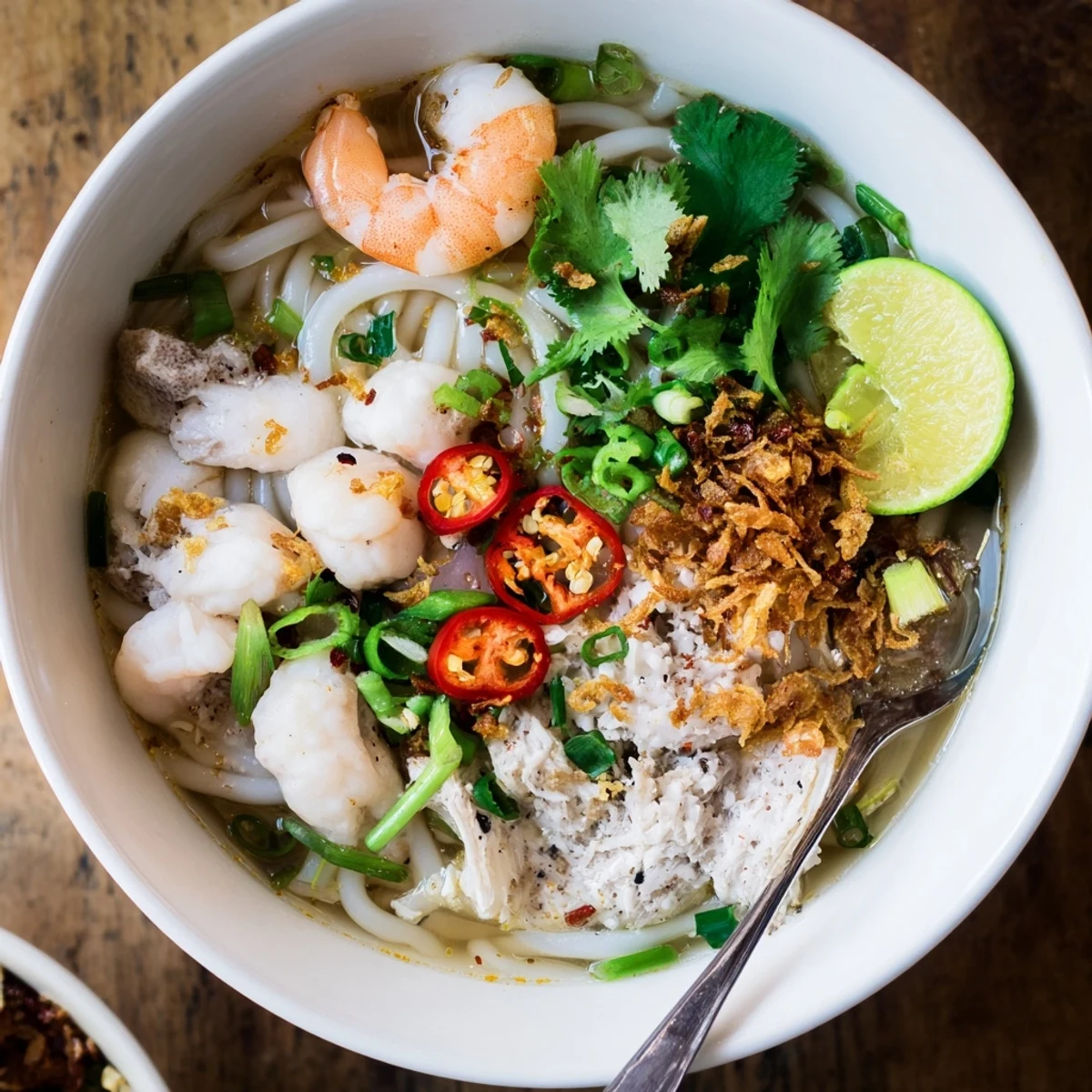
A splash of annatto oil transforms the broth from pale gold to a deep, appetizing orange-red. I started doing this after seeing it at my favorite street stall in Hanoi, where the visual appeal made the first spoonful irresistible.
Working With Crab
Fresh crab demands respect but rewards you with sweetness you cant fake. When I switched from pasteurized to fresh crab, the difference was immediate and the broth took on a complexity I had been missing.
Perfecting The Noodle Texture
The bounce of a properly cooked banh canh noodle is something special. Undercook them slightly when boiling since theyll continue cooking in the hot broth.
- Rinse noodles immediately after draining to stop the cooking process
- Toss them with a tiny bit of oil if not serving right away
- Never let fresh noodles sit too long or theyll clump together
 Save
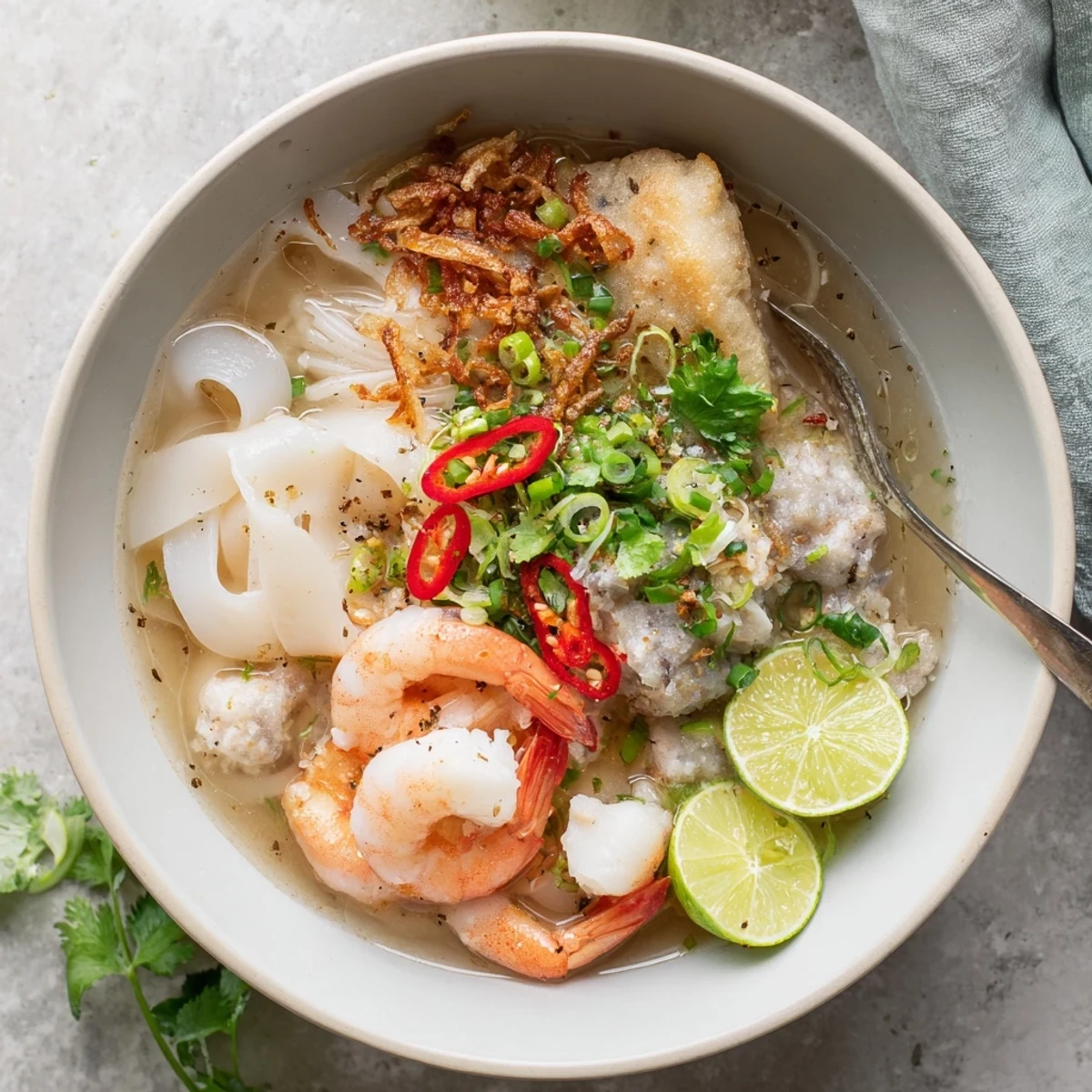
Save Theres something deeply satisfying about making a soup that has nourished generations, and sharing it with people you love.
Recipe Questions
- → What makes Banh Canh Cua different from other Vietnamese noodle soups?
-
The standout feature is the thick, chewy tapioca noodles that have a distinctive texture unlike thin rice noodles. The broth also tends to be thicker and more viscous due to the tapioca starch, creating a heartier, more comforting bowl that's perfect for cooler weather.
- → Can I use imitation crab or frozen crab meat?
-
Absolutely. Frozen crab meat or high-quality imitation crab work well as substitutes when fresh crab is unavailable or budget is a concern. The broth's depth of flavor from pork bones and aromatics ensures the soup remains delicious regardless of your crab choice.
- → How do I prevent the tapioca noodles from sticking together?
-
Cook the noodles according to package instructions, then drain and rinse lightly with cool water to stop the cooking process and remove excess starch. Toss with a small amount of oil if not serving immediately, and keep them separate from the hot broth until you're ready to assemble each bowl.
- → What can I substitute for fish cakes?
-
You can use sliced firm tofu, additional shrimp, or omit them entirely. Some cooks like to add quail eggs or soft-boiled eggs instead. The key is maintaining protein variety in the bowl while keeping flavors complementary to the crab-based broth.
- → Is this soup suitable for meal prep?
-
Store the broth, seafood components, and noodles separately in airtight containers. The broth keeps well for 3-4 days and actually tastes better the next day as flavors meld. Reheat the broth gently, cook fresh noodles when ready to serve, and assemble bowls just before eating for the best texture.
- → How can I make the broth more flavorful?
-
Add annatto oil for a beautiful reddish hue and subtle earthy flavor. You can also roast the onion and garlic before adding them to the broth, or include a small piece of rock sugar for depth. A dash of crab paste or extra dried shrimp during the simmer also intensifies the seafood essence.