
 Save
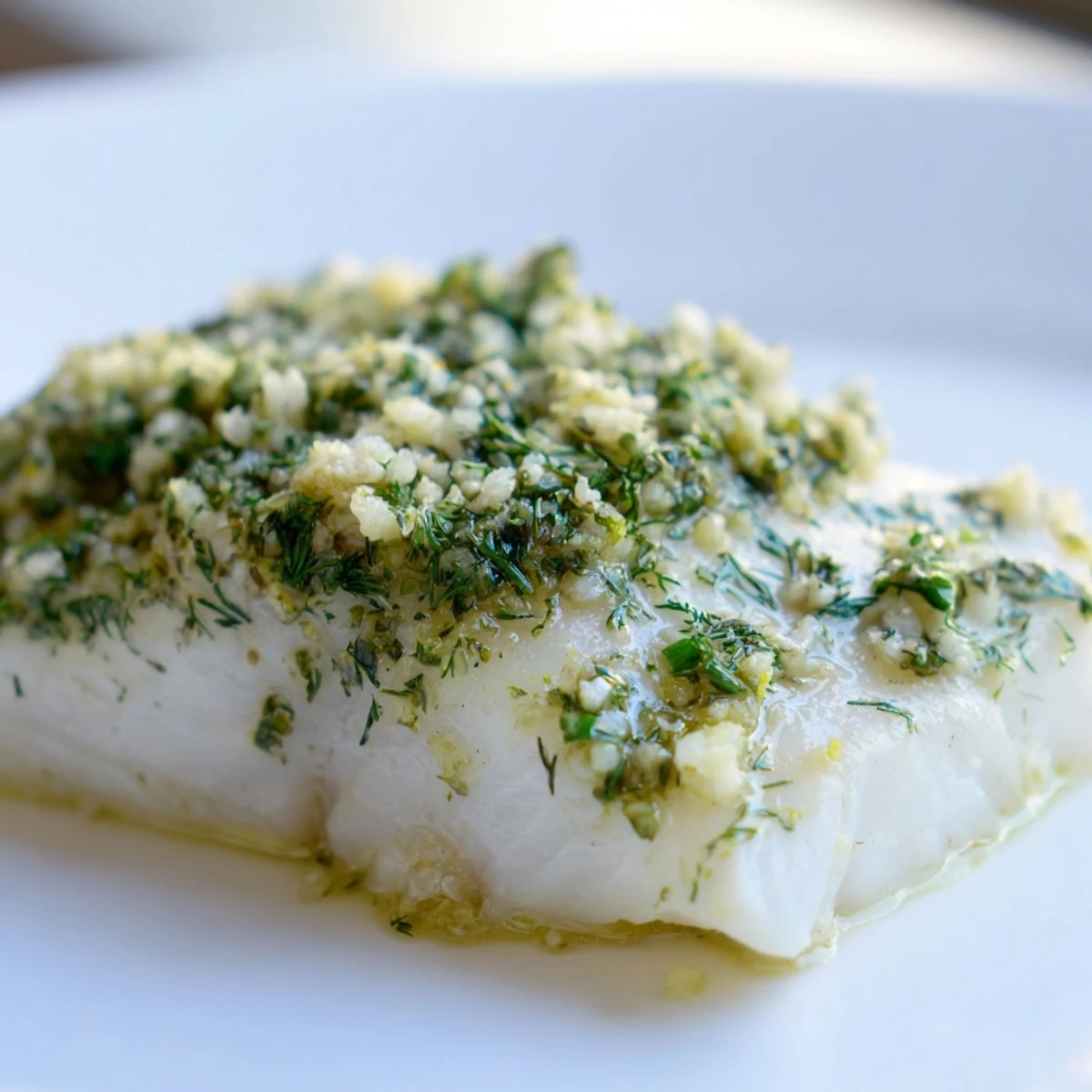
Save This dish features tender halibut fillets brushed with olive oil, seasoned lightly, and baked topped with a zesty lemon herb butter blend made from fresh garlic, parsley, dill, thyme, lemon zest, and juice. The fish cooks to a flaky, opaque finish in about 15 minutes, delivering a bright and aromatic main course. Garnish with fresh parsley and lemon wedges for added freshness. Perfect for a quick, elegant meal with subtle herbal notes.
There's something magical about halibut that caught me off guard the first time I really cooked it properly. I was standing in my kitchen on a quiet Tuesday evening, holding this pristine fillet under the light, and suddenly understood why my grandmother always said the best dishes are the simplest ones. That night, when I pulled it from the oven—flaky, buttery, alive with herbs—my whole family fell silent for a moment. It wasn't fancy or complicated, just honest food that tasted like someone cared.
I made this for someone I was trying to impress once, and I remember standing over the oven, watching the butter slowly turn golden and smelling the herbs wake up in the heat. When they took that first bite, they asked me if I'd been cooking it for years, and I hadn't the heart to tell them I'd learned it from a quiet afternoon in my kitchen just weeks before. That's when I knew this recipe had something real going for it.
Ingredients
- Halibut fillets (4, about 6 oz each): Look for fillets that are milky white and smell like the ocean, not fishy—that's your sign they're fresh and worth the slightly higher price.
- Olive oil: A good quality one will carry flavor right through the cooking, so don't reach for the cheapest bottle.
- Salt and black pepper: Coarse salt lets you actually taste the seasoning instead of it disappearing into the fish.
- Unsalted butter: Cold or at least cool when you start, so the herbs stay vibrant instead of turning dark brown.
- Fresh garlic: Minced fine—almost to the point of paste—so it doesn't overpower but whispers through every bite.
- Fresh parsley, dill, and thyme: These three together are the reason this dish works; dried herbs will taste like an afterthought by comparison.
- Lemon (zest and juice): Zest it before you cut the lemon, and use a microplane if you have one so you get just the bright, fragrant yellow without the bitter white underneath.
Instructions
- Heat your oven and prep the stage:
- Get that oven to 400°F and line your baking sheet with parchment—this is the one thing that keeps cleanup effortless and lets the bottom cook gently instead of sticking. Everything changes when your workspace is ready before you start.
- Dry and season your fish:
- Pat those fillets completely dry with paper towels; any moisture clinging to them will steam instead of sear. A light brush of olive oil and a careful pinch of salt and pepper is all they need at this stage.
- Make your herb butter magic:
- Combine softened butter with minced garlic, fresh herbs, lemon zest, and juice in a small bowl—stir until it looks like a fragrant paste. This is where all the flavor lives, so don't rush it.
- Top and slide into the oven:
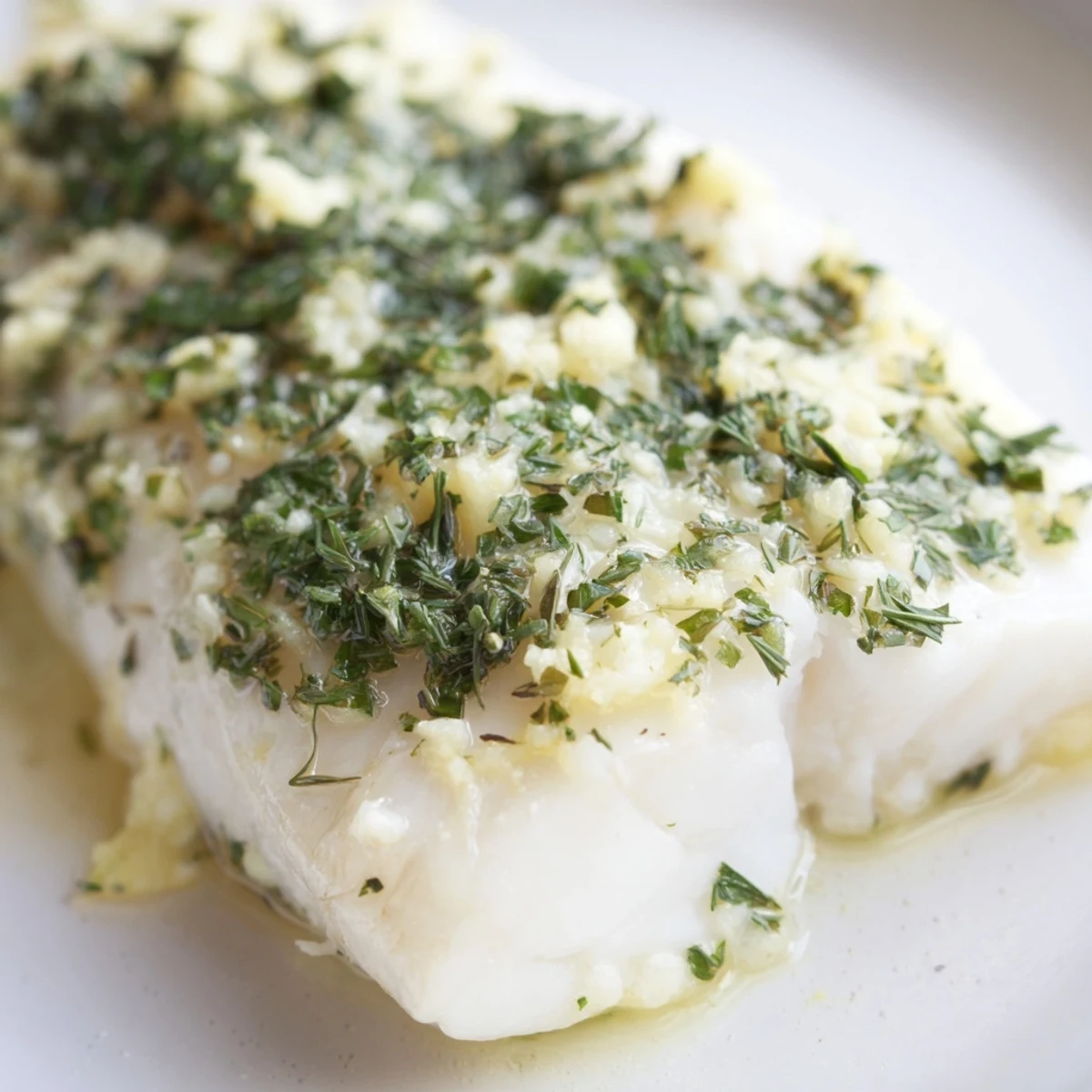
- Place each fillet on the baking sheet and spread a generous spoonful of that herb butter right across the top. Watch as it begins to melt and pool around the edges as the fish warms.
- Bake until just cooked through:
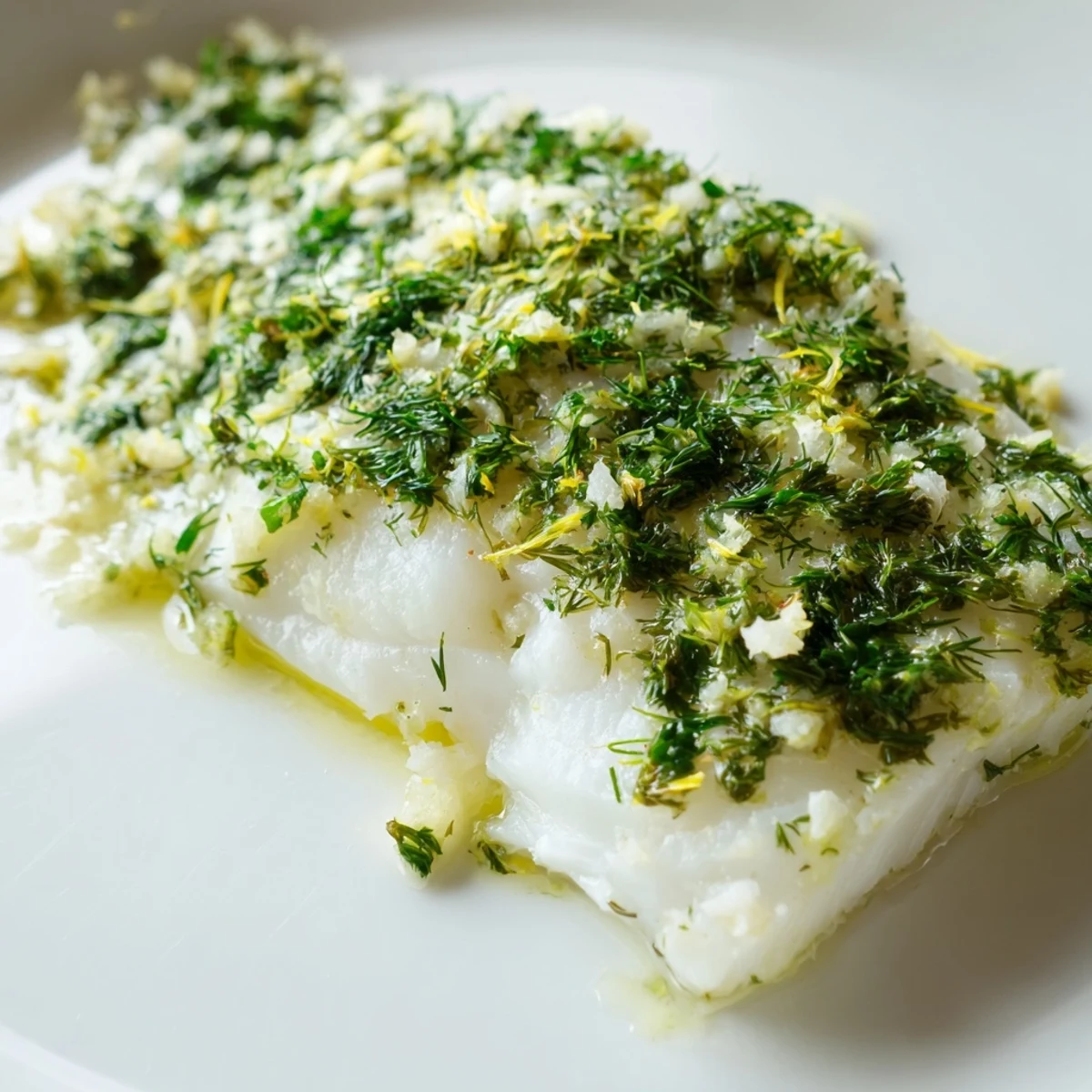
- Twelve to fifteen minutes is usually right, but check at the twelve-minute mark by gently pressing the thickest part with a fork—it should flake apart in distinct, moist layers. Overcooked halibut becomes tough in seconds, so stay close.
- Rest and serve:
- Let it sit for two minutes after coming out of the oven; this lets the flesh set slightly and makes plating less of a disaster. Serve immediately with lemon wedges and a scatter of fresh parsley if you're in the mood.
 Save
Save There's a moment right when the oven door closes where you can smell the butter and herbs starting to wake up, and you know you've done something right. I made this for my neighbor one evening, and we sat on the porch eating, barely talking, just listening to the sounds of the street and tasting something that made the whole day feel worth it.
Why This Fish Works So Well
Halibut has a delicate sweetness and a texture that stays tender even with heat, which means you can be a little generous with the cooking time without ruining everything. The mild flavor is like a blank canvas for herbs and lemon, so they don't fight or compete—they simply make the fish taste more like itself. I've tried this with cod and sea bass when halibut wasn't available, and it works, but there's something about halibut's natural buttery quality that pairs with that herb butter like they were meant for each other.
Playing With Flavor
The beauty of this recipe is that it's a base, not a rule. I've added a pinch of red pepper flakes for warmth, a tiny touch of anchovy paste for depth, or even a whisper of fresh tarragon when I had it on hand. The herb butter is where you can be bold and creative without breaking anything—just remember that fresh herbs are doing the talking, so let them have their moment.
From Kitchen to Table
This is the kind of dish that feels like you spent hours fussing, but you didn't, and that's the real trick. It's elegant enough for a date night or quiet enough for a Tuesday when you just want something good without the effort. The simplicity is the entire point.
- Serve with something bright like a crisp Sauvignon Blanc or a Chardonnay if wine is your thing.
- A side of roasted vegetables or a simple green salad makes it feel complete without adding real work.
- Leftover herb butter melts beautifully over warm bread the next day, so don't waste a drop.
 Save
Save This recipe taught me that the best dinners aren't always about complexity—sometimes they're about respecting good ingredients and not getting in their way. Make this when you want to feel like you've done something thoughtful, because you have.
Recipe Questions
- → What type of fish can I use as a substitute?
-
Cod or sea bass are great alternatives that bake well and absorb the lemon herb butter flavors nicely.
- → How do I know when the halibut is perfectly cooked?
-
The halibut should flake easily with a fork and have an opaque center, usually after 12–15 minutes of baking at 400°F (200°C).
- → Can I prepare the lemon herb butter ahead of time?
-
Yes, mixing the butter with fresh herbs and lemon zest in advance enhances its flavors and simplifies the cooking process.
- → What can I serve alongside this dish?
-
Light sides like steamed vegetables, a crisp salad, or roasted potatoes complement the delicate flavors well.
- → Is there a recommended wine pairing?
-
Sauvignon Blanc or Chardonnay pairs beautifully, highlighting the citrus and herb notes in the dish.