
 Save
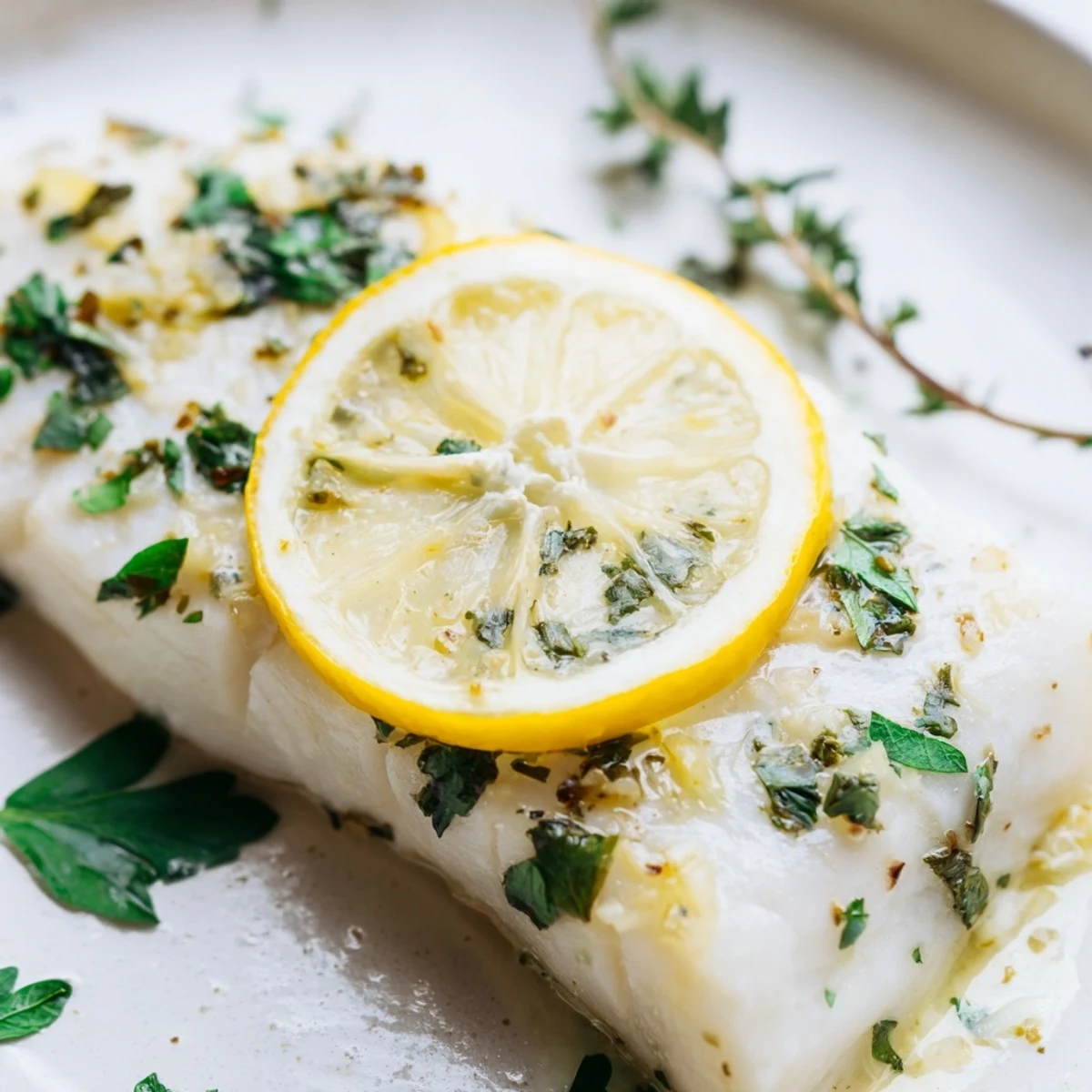
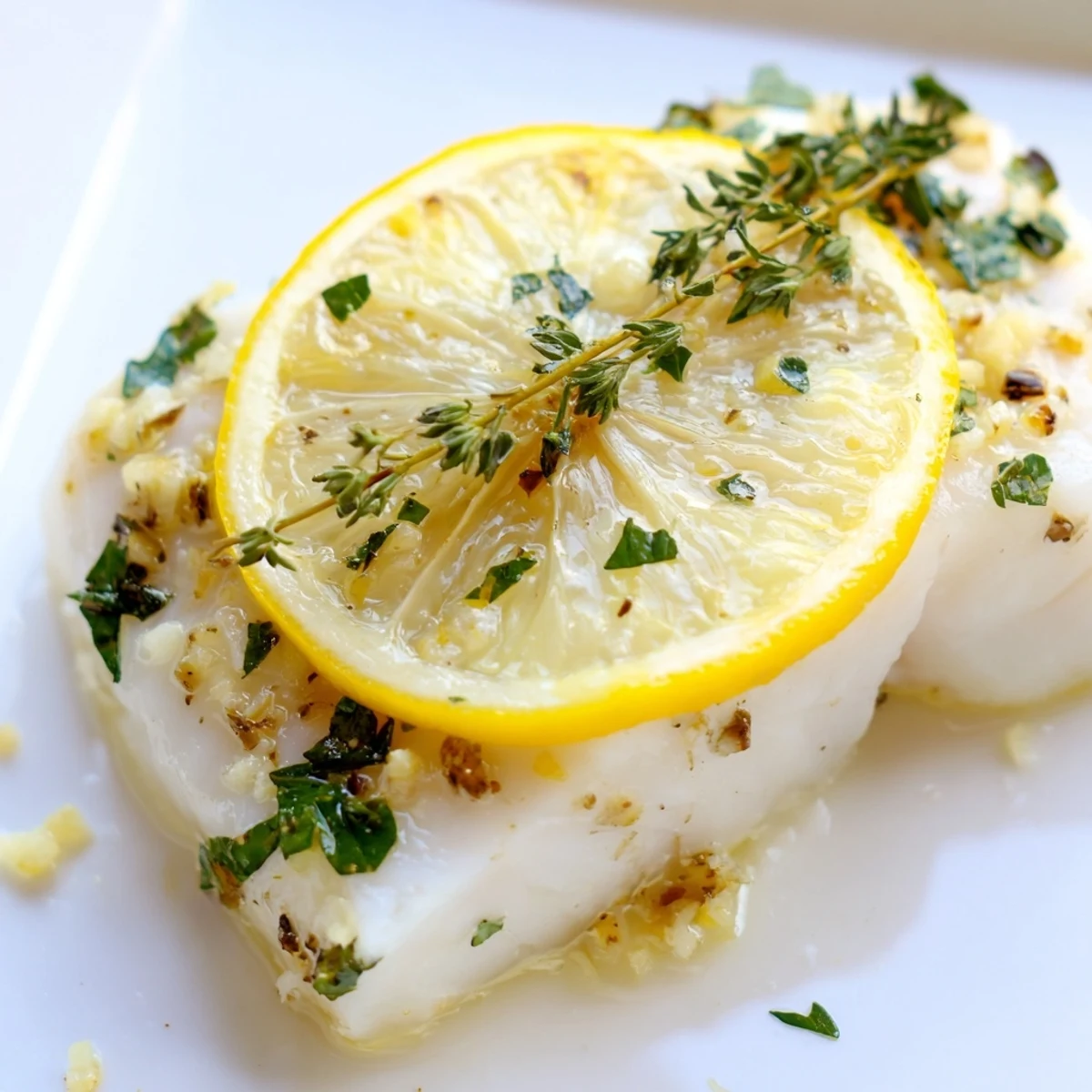
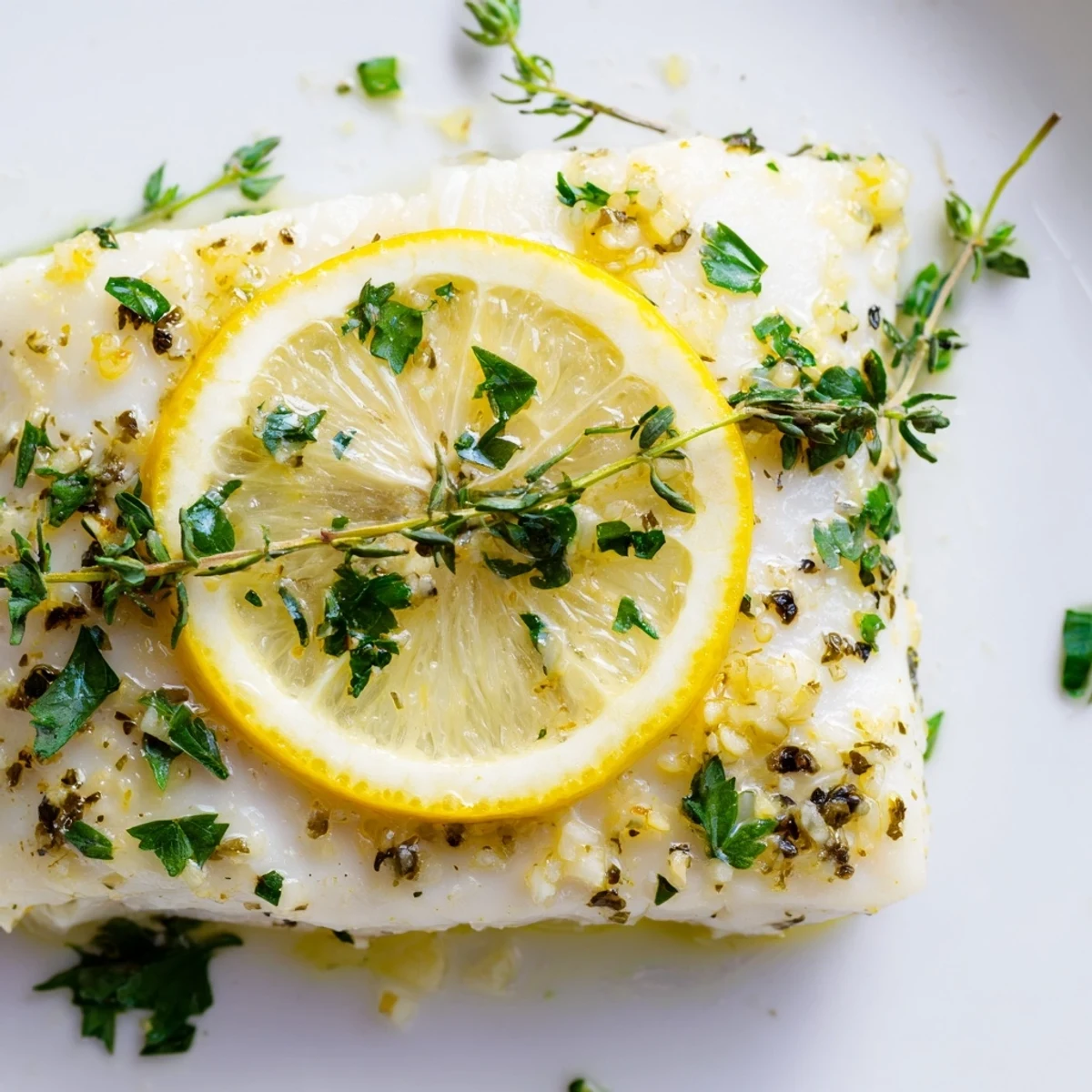
Save This dish features tender halibut fillets lightly brushed with a marinade of olive oil, fresh lemon juice, zest, garlic, and thyme. The fish is baked until flaky and topped with thin lemon slices and fresh parsley, combining bright citrus notes with herbaceous aroma. Perfect for a healthy, gluten-free main course, it requires minimal prep and quick cooking for an elegant yet simple meal.
There's something about halibut that makes me slow down in the kitchen. Years ago, I was intimidated by cooking fish—worried it would dry out or taste fishy—until a friend simply said, "Just don't overcook it," and handed me a lemon. That afternoon changed everything. Now, baked halibut with lemon is my go-to when I want something that feels special but doesn't demand hours of my time.
I made this for my partner on a Thursday night when we were both exhausted, and somehow the simplicity of it—just good fish, good lemon, honest heat—turned everything around. We sat at the kitchen counter with our plates, steam still rising, and talked about nothing important for an hour. That's when I realized this recipe works because it gets out of the way and lets the halibut shine.
Ingredients
- Halibut fillets, 4 (6-ounce), skinless: Look for fillets that are firm and translucent, not mushy or dull. They cook quickly and stay buttery, which is the whole point.
- Olive oil, 2 tablespoons: Use something you'd actually taste on bread; cheap oil makes cheap-tasting fish.
- Lemon juice, freshly squeezed, 2 tablespoons: Bottled lemon juice tastes tinny and flat. Fresh juice is worth the 30 seconds it takes to squeeze.
- Lemon zest, 1 teaspoon: This is where the brightness lives. Use a microplane and don't skip it.
- Garlic cloves, minced, 2: Garlic here is a whisper, not a shout. Fresh is non-negotiable.
- Fresh thyme leaves, 1 teaspoon (or 1/2 teaspoon dried): Thyme pairs with lemon like they were made for each other. If you only have dried, use less; it's stronger.
- Salt, 1/2 teaspoon: Season aggressively enough that you taste the fish, not just the salt.
- Black pepper, freshly ground, 1/4 teaspoon: Freshly ground makes a noticeable difference in both flavor and texture.
- Lemon, 1, thinly sliced: These aren't just garnish; they flavor the fish as it bakes and catch the heat just right.
- Fresh parsley, chopped, 2 tablespoons: A handful of green at the end wakes up the whole plate.
Instructions
- Set your oven to 400°F and prep your baking dish:
- Get the oven hot while you work. Line your dish with parchment paper if you have it—it means less scrubbing later—or give it a light grease. Room temperature surfaces cook unevenly, so this head start matters.
- Build the marinade:
- Whisk together olive oil, lemon juice, zest, minced garlic, thyme, salt, and pepper in a small bowl. The mixture should smell bright and herbaceous, not dull. Taste it if you want; it should make your mouth water.
- Dry and arrange the halibut:
- Pat each fillet completely dry with paper towels. Moisture is the enemy of browning and even cooking. Place them skin-side down in your prepared dish, giving each one a little space so heat can circulate.
- Coat with the lemon mixture:
- Brush the marinade evenly over each fillet, making sure the garlic and herbs are distributed. Top each fillet with a couple of lemon slices so they nestle into the fish.
- Bake until the fish flakes:
- Slide the dish into your hot oven and set a timer for 15 minutes. At 15 minutes, gently press the thickest part of a fillet with a fork; it should flake into tender, opaque pieces. If it's still translucent, give it 2 more minutes, but don't go beyond 18. Overcooked fish is dry fish, and you've come this far.
- Finish and serve:
- The moment it's done, pull it from the oven and scatter fresh parsley over everything. Serve immediately while it's hot and the lemon is still singing.
 Save
Save My mom always said the sign of good cooking is when guests ask what's for dinner and actually look satisfied when you tell them. This halibut does that without fail. It's elegant enough to impress, easy enough to make on a Tuesday, and simple enough that nothing distracts from the quality of what you're eating.
The Case for Halibut
Halibut has a delicate, almost sweet flavor that doesn't need much help. Unlike salmon, which can overpower a kitchen with its richness, halibut whispers. It takes the lemon and herbs and turns them into something harmonious rather than competing. Once you realize that the best cooking often means knowing when to step back, halibut becomes your friend.
What to Serve Alongside
I've learned that what you serve with halibut matters as much as the fish itself. Something light keeps the meal from feeling heavy, but it has to have character. Steamed vegetables tossed with a little butter and salt work beautifully, as does a simple salad with a vinaigrette that echoes the lemon in the fish. If you want something more substantial, a small portion of risotto or orzo picks up the herbs and lemon without fighting for attention.
Variations and Swaps
This recipe is forgiving enough to work with other white fish. Cod is slightly more assertive but still delicate. Haddock is nearly identical to halibut in texture and flavor. I've even made it with sea bass when halibut wasn't available, and it turned out beautifully. The point is the technique: high heat, careful timing, and a good squeeze of fresh lemon.
- A splash of dry white wine poured into the baking dish before cooking adds a subtle complexity that makes people wonder what your secret is.
- If you love garlic more than I do, add another clove, but remember it will intensify as the fish bakes.
- Substitute fresh dill or parsley for thyme if that's what you have on hand; the spirit of the dish stays the same.
 Save
Save This is the kind of recipe that reminds you why cooking at home is worth the effort. Simple, honest, quick—and somehow it tastes like you tried harder than you actually did.
Recipe Questions
- → What is the best way to bake halibut?
-
Preheat the oven to 400°F, brush fillets with an olive oil and lemon marinade, then bake for 15-18 minutes until opaque and flaky.
- → Can I substitute halibut with other fish?
-
Yes, cod or haddock make great alternatives with similar cooking times and flavor absorption.
- → How do lemon and herbs enhance the dish?
-
Lemon adds bright acidity while thyme and garlic contribute savory depth, creating a balanced and flavorful profile.
- → Is this dish gluten-free and low-carb?
-
Yes, it contains only fish, herbs, lemon, and olive oil, making it suitable for gluten-free and low-carb diets.
- → What sides complement baked halibut?
-
Steamed vegetables, light salads, or fluffy rice pair well to keep the meal fresh and balanced.