
 Save
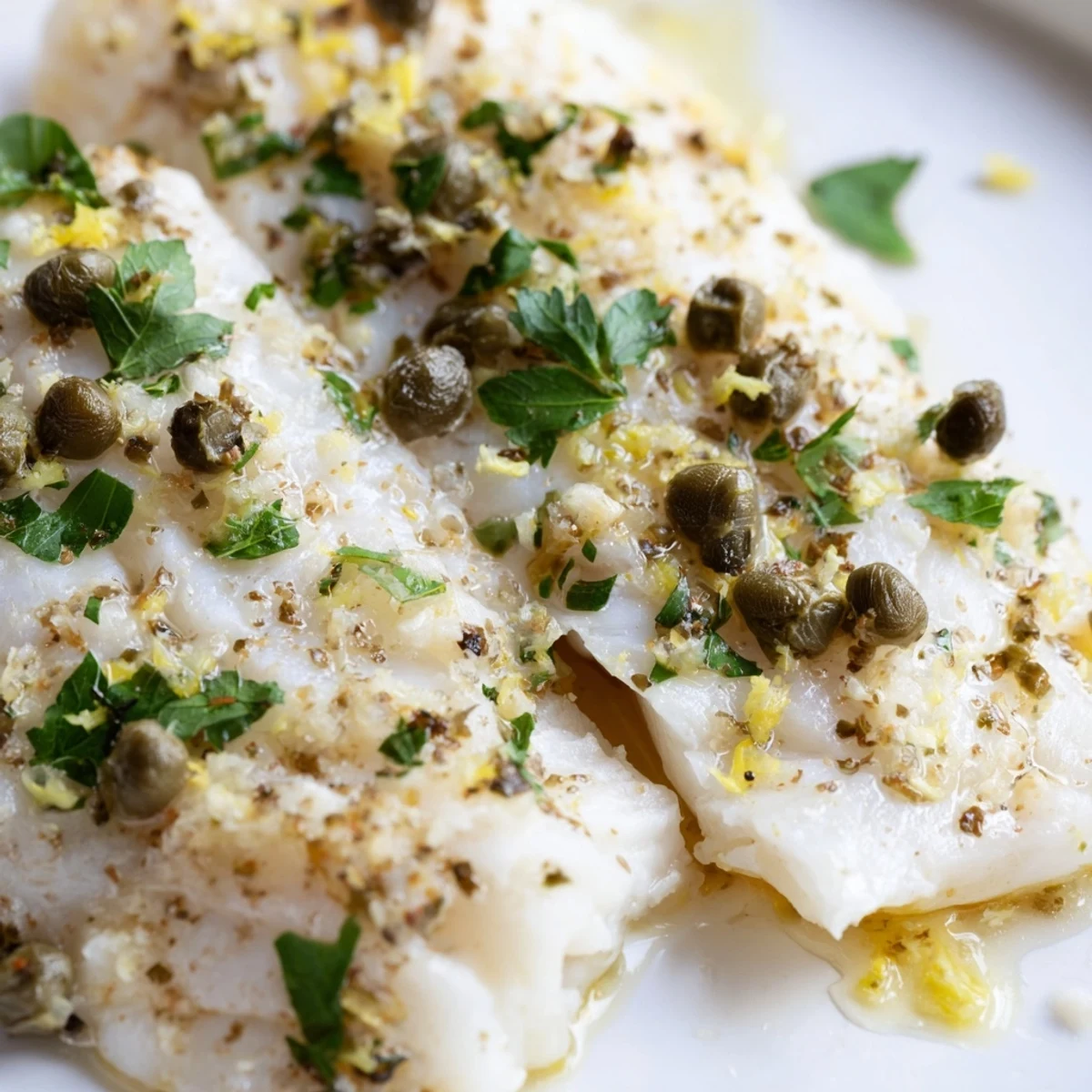
Save This dish features flaky haddock fillets gently baked with a vibrant blend of lemon juice, zest, and briny capers. Garlic and fresh parsley add depth to the bright citrus notes, creating a light and healthy main course. Ready in under 30 minutes, it pairs wonderfully with steamed vegetables or roasted potatoes for a wholesome meal.
I learned to cook haddock the way my neighbor taught me—while leaning against her kitchen counter on a Tuesday afternoon, watching her hands work with the kind of ease that comes from doing something hundreds of times. She said the secret wasn't the fish itself, but respecting it enough to let the simplest ingredients do their work. That conversation stuck with me, and now this baked haddock with lemon and capers is the dish I return to whenever I want to feel like I'm cooking with purpose, not fuss.
I made this for my sister during one of those rare evenings when we both actually had time to sit down together. She took one bite and asked for the recipe immediately—not to make it herself, but to request it every time she came over. That's when I knew this wasn't just another fish dinner. It became our thing.
Ingredients
- Haddock fillets (4 pieces, about 6 ounces each): Look for fillets that smell briny and fresh, never fishy or ammonia-like, and ask your fishmonger if they were caught recently.
- Fresh lemon juice (2 tablespoons) and zest (1 tablespoon): A microplane makes zesting almost meditative, and fresh juice tastes worlds different from bottled.
- Capers (2 tablespoons, drained): Those tiny brined buds carry an entire ocean's worth of flavor, so a little goes a long way.
- Garlic (2 cloves, minced): Mince it fine so it distributes evenly through the oil and doesn't overpower the delicate fish.
- Fresh parsley (2 tablespoons, chopped): Use the flat-leaf kind if you can find it—it tastes fresher and looks better scattered over the top.
- Olive oil (3 tablespoons): Good olive oil is tasted here, so don't use your cooking oil; grab something you'd actually want to drizzle on bread.
- Sea salt and black pepper: These aren't just seasonings; they're the foundation that lets everything else shine without competing.
- Lemon slices (optional garnish): A thin slice of lemon on top adds visual warmth and a hint of flavor if someone wants to squeeze it over their bite.
Instructions
- Heat your oven and set the stage:
- Preheat to 400°F and lightly grease a baking dish large enough so the fillets don't touch. This matters more than you'd think—crowding them steams the fish instead of baking it gently.
- Dry your fish thoroughly:
- Pat each haddock fillet with paper towels until they look almost matte. Moisture on the surface keeps the seasoning from sticking and prevents the fish from developing those subtle golden edges.
- Make a whisked miracle:
- Combine the olive oil, lemon juice, zest, minced garlic, salt, and pepper in a small bowl and whisk until slightly emulsified. This isn't just drizzle—it's a flavor delivery system.
- Dress the fish:
- Arrange the haddock in the baking dish and drizzle the oil mixture evenly over each fillet. Tilting the dish helps the liquid settle around and under the fish.
- Add the briny finish:
- Scatter the capers and chopped parsley over everything. The capers sink slightly into the oil, flavoring it from below.
- Bake with intention:
- Slide the dish into the oven and bake for 16 to 18 minutes. The fish is done when it flakes with the gentlest pressure from a fork and looks opaque rather than translucent—no guesswork needed.
- Serve with warmth:
- Plate while hot, top with extra parsley if you like, and add a lemon slice. The heat brings out all those flavors one last time.
 Save
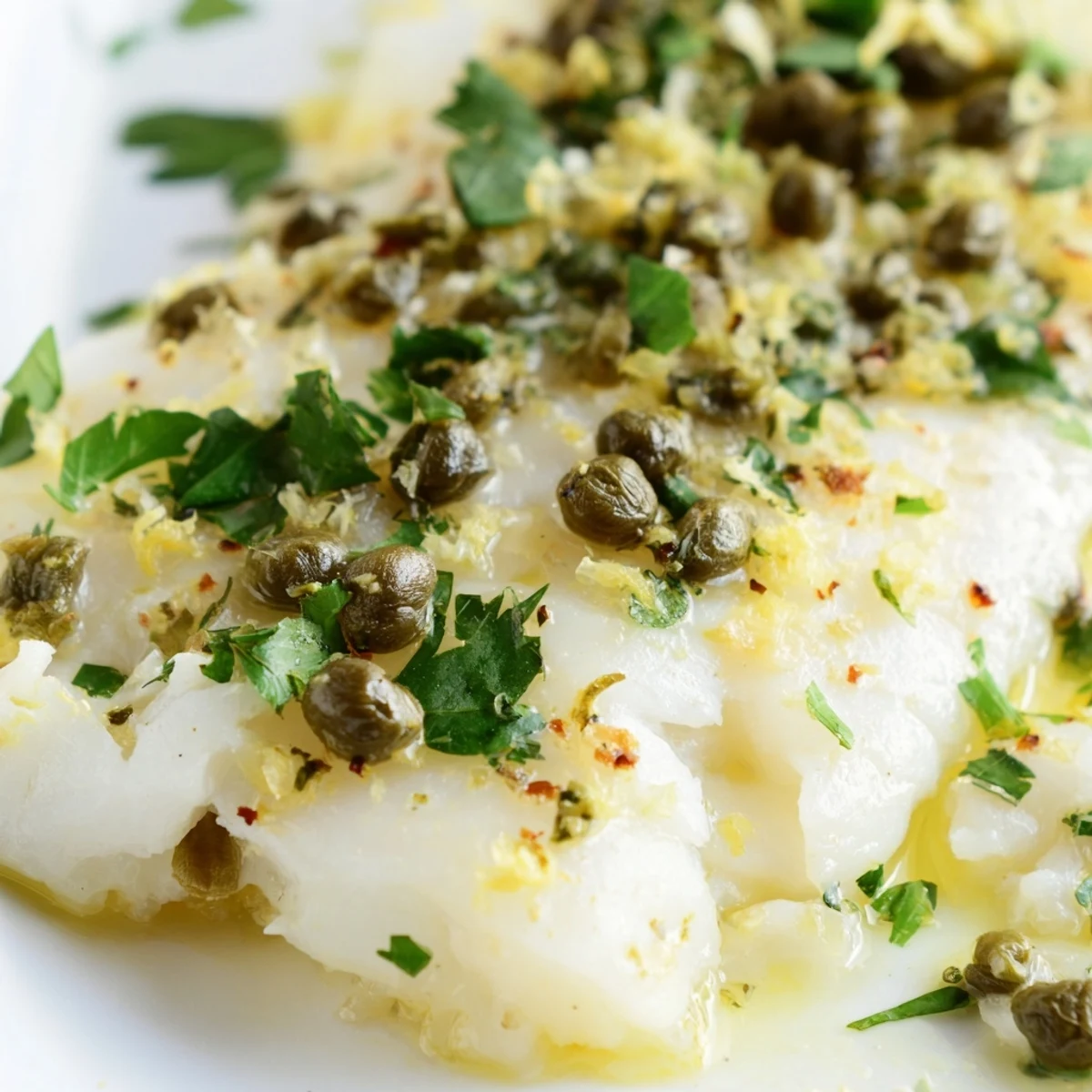
Save There's a moment, right as the fish comes out of the oven, when the aroma hits you—bright lemon mixing with briny capers and something almost buttery from the garlic and oil. That's the moment I knew this dish had become more than just dinner. It became proof that beautiful food doesn't need to be complicated.
Why This Works Every Time
Haddock has a naturally delicate, slightly sweet flavor that capers and lemon don't overpower—they enhance. The oil acts as both seasoning and a gentle basting liquid that keeps the fish moist while the oven does its work. This balance is what makes the dish feel luxurious without requiring skill you don't have.
Building Flavor Without Fuss
The temptation is always to add more—butter, cream, wine, extra herbs. But the magic here is restraint. Each ingredient has a job, and nothing competes for attention. You notice the lemon, then the capers, then the gentle sweetness of the fish itself. It's like listening to a conversation where everyone gets a turn to speak.
What to Serve Alongside
This fish doesn't demand much from its side dishes, but it also welcomes them generously. Something light and slightly creamy works best—the bright acidity of the fish needs grounding. The leftover pan juices are liquid gold for drizzling.
- Steamed green beans or broccolini soak up the pan sauce beautifully.
- A simple risotto or even buttered rice turns this into something comforting.
- Roasted potatoes with their skins on feel homey without being heavy.
 Save
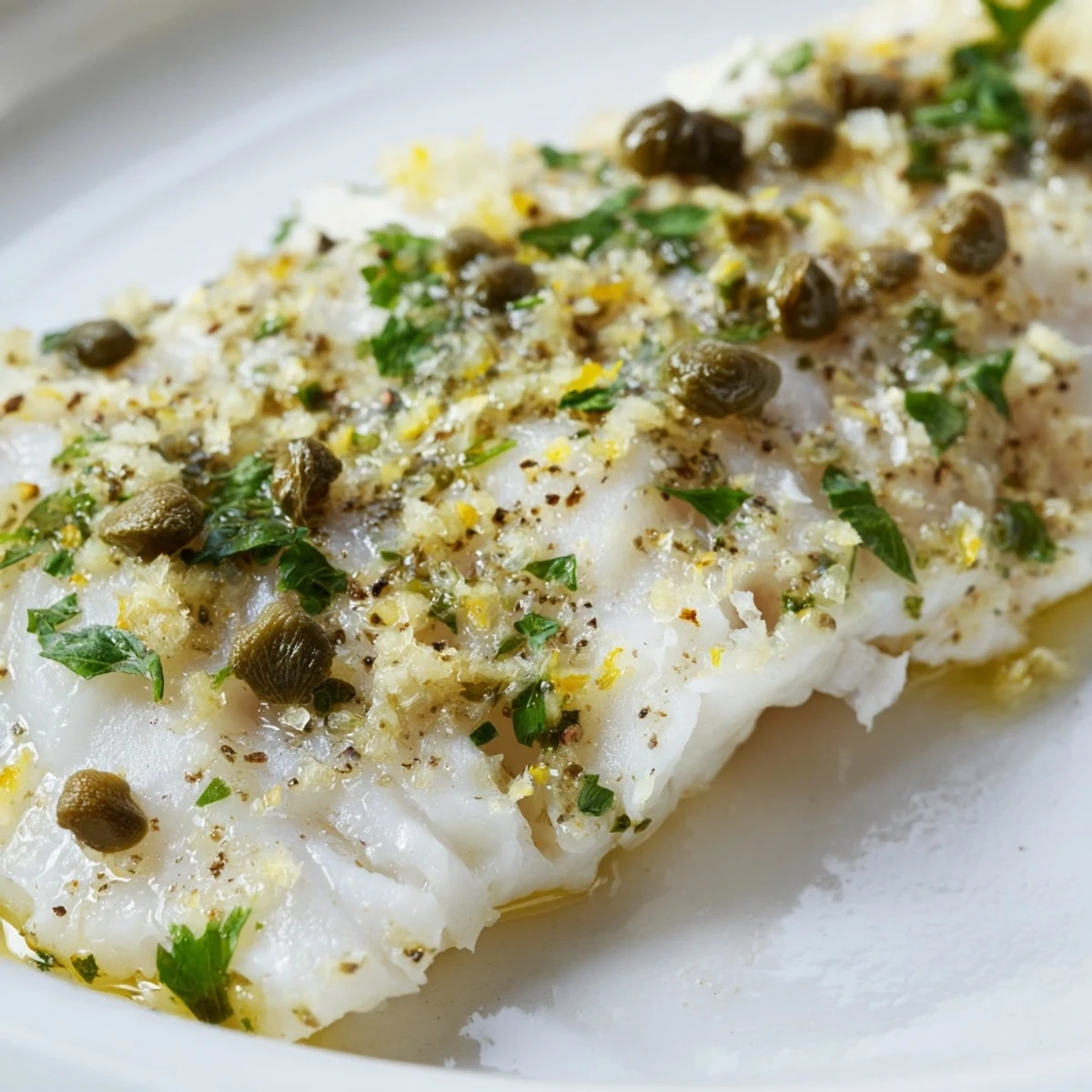
Save This is the dish I reach for when I want to cook something real for people I care about, without the stress. It's proof that the best meals come from respecting good ingredients and letting them speak.